
Updated: November 3, 2026
Unexpected Guest Steals the Scene
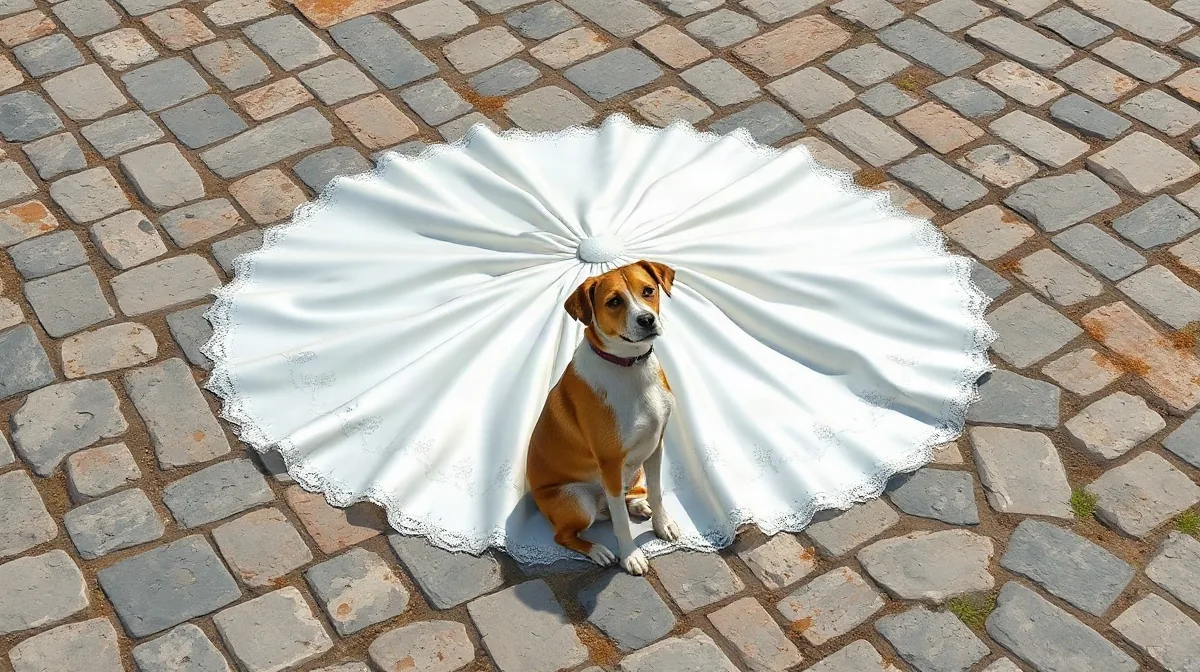
In La Vigía Square in Matanzas, Cuba, a quinceañera portrait session gained an unplanned subject: a stray dog that wandered beside Olivia while her father, photographer Nester Nuñez, took pictures. Olivia wore a white gown decorated with stones and a tiara. Her laughter beside the dog made the frame feel different from a formal portrait, without taking away from the celebration.
The known details are simple: the birthday girl, her father behind the camera, a public square and a dog that entered the scene. No date for the shoot or further account of the dog’s history is available in the report, so its owner, health and later whereabouts should not be guessed at. What the photographs record is Olivia’s reaction in that moment.
- 15 years the age traditionally marked by a quinceañera
- 2 participants Olivia and the unplanned canine subject named in the account
- La Vigía Square the Matanzas location of the photo session
Significance of the Quinceañera Celebration
A quinceañera marks a girl’s fifteenth birthday in many Latin American communities, including Cuba. Families may mark the occasion with a formal gathering, special clothing and portraits, but customs vary by family and place; there is no single required format. In Olivia’s case, the white gown and tiara establish the ceremonial setting, while La Vigía Square places the portraits in a recognizable public space in Matanzas.
The dog’s appearance adds a local, unscripted detail to a planned milestone. It does not establish that street dogs are welcomed at every celebration, or that residents treat all free-roaming dogs alike. The photograph instead holds two ordinary realities together: a family documenting a fifteenth birthday and an animal moving through a public square.
That distinction matters if you are reading the images as more than a charming interruption. A candid photograph can show a genuine encounter, but it cannot by itself explain the dog’s circumstances or represent every quinceañera in Cuba.
Photographer’s Role in Preserving Authenticity
Nester Nuñez, Olivia’s father and the photographer, captured both the planned portraits and the unexpected interaction. The account also identifies him as a contributor to cultural publications, but provides no publication names or details about the camera, lens or editing process. Those specifics should be checked in the original photo credits or with Nuñez rather than supplied by guesswork.
For photographers, a moment like this is a useful reminder to keep shooting when a scene changes, provided everyone remains safe. A formal portrait and a candid frame serve different purposes: one records the chosen clothes and pose; the other records a response that could not be directed in advance. A sequence can preserve both without asking the subject to repeat an interaction with an unfamiliar animal.
There is also a practical limit. If a dog approaches during a session, avoid crowding it, grabbing its collar or encouraging a child to touch it for the camera. Keep a clear route away and let the dog leave. A photograph is not worth risking a bite, a fall or distress to the animal.
Community and Canine Connections
The dog appears calm in the moment described, but a still image cannot establish whether it was healthy, vaccinated, owned or comfortable with people. “Stray” is the report’s description, not a veterinary assessment. Residents may informally feed or look after free-roaming dogs, but the account gives no evidence about this particular animal’s care or the support available in Matanzas.
If you meet an unfamiliar dog, give it space and do not assume that a relaxed posture means it wants contact. Children should stay with an adult; avoid putting a face near the dog or offering food by hand. If the animal looks injured, sick or persistently distressed, seek local animal-welfare or veterinary guidance rather than trying to handle it yourself. The available account does not name a local service, so readers in Matanzas should check with local authorities or a veterinarian for current contact details.
That caution does not diminish the warmth of Olivia’s response. It keeps the story grounded: a spontaneous encounter can be welcome in a photograph while still leaving the dog’s needs and boundaries unknown.
Lasting Impact of a Spontaneous Moment
The photographs preserve more than the details of a dress and a birthday setting. They record Olivia laughing beside an unexpected canine visitor in La Vigía Square, with Nuñez behind the camera. The reported account does not give a publication date, identify where the full set appeared or say what happened to the dog afterward; those are the details to check before treating the pictures as a continuing story.
For families planning milestone portraits, the practical lesson is modest: leave room for a candid frame, but do not stage contact with an unknown animal. Keep the planned portraits, let an unscripted moment remain unscripted, and put distance first if the dog seems uneasy.