
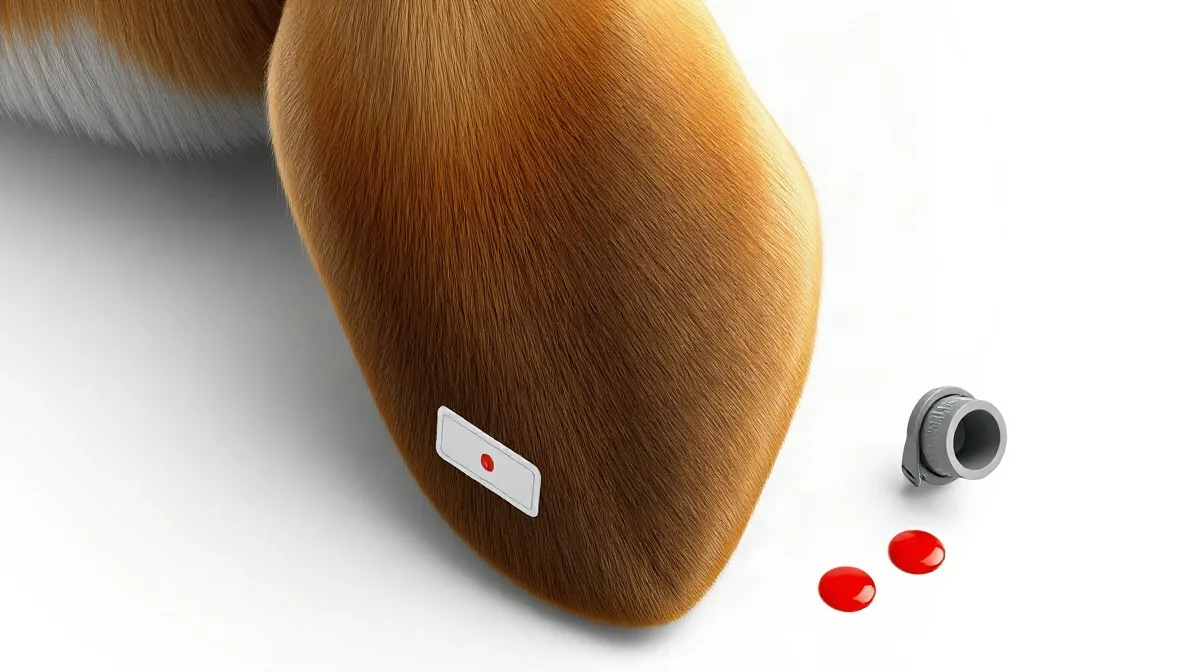
A dog ear hematoma is a pocket of blood within the ear flap, usually caused by broken blood vessels after head-shaking or scratching. Treatment often requires veterinary care to drain the swelling and address the irritation that caused it.
The ear flap may feel warm, swollen or fluid-filled, and the swelling can be uncomfortable. An ear hematoma can return if the underlying problem—such as an ear infection or allergy—is not treated, so draining the pocket alone may not be enough.
A veterinarian can assess the ear and recommend treatment based on the size of the hematoma and its cause. This guide explains what can trigger dog ear hematomas, how vets treat them and what to watch for during recovery.
| Option | When it may be considered | Main consideration |
|---|---|---|
| Needle drainage | A vet selects it after examining the hematoma | The pocket may refill |
| Drain placement | When continued fluid removal is needed | Requires care and monitoring |
| Surgical correction | Often for larger or recurrent hematomas | Sutures reduce space for fluid to collect |
| Medication | When the vet identifies inflammation or infection to address | Does not replace assessment of the flap and ear |
- 1986 Year of an investigation into ear hematoma formation
- 40 dogs Dogs examined in that investigation
- 12 years Veterinary-medicine experience described by a licensed veterinary technician
What is a dog ear hematoma, and how does it form?
An aural hematoma is a pocket of blood trapped between the tissue layers of a dog’s ear flap, not just swelling on the flap’s outer surface.
Repeated head shaking or scratching can injure small blood vessels in the flap. Blood then collects between its layers, causing the flap to swell and often feel tender. The shaking or scratching may be a response to an ear problem, so the hematoma and its trigger both need veterinary attention.
Floppy ears can make a swelling easier to see, but ear shape alone cannot identify what caused it. A suddenly swollen, tender ear flap warrants a veterinary examination; do not puncture or squeeze it at home, as that can injure the ear and will not address the cause.
Why the cause matters
Hematoma treatment depends on factors such as the swelling’s size and whether it has happened before. A veterinarian can assess the flap and the underlying ear problem, then decide whether drainage, a drain, medication or surgery is appropriate. Larger or recurrent hematomas may need surgery to help preserve the ear’s shape and reduce scarring.
A licensed veterinary technician describes having 12 years of experience in veterinary medicine. That perspective can help explain ear care, but a swollen flap still needs an examination by a veterinarian.
Why can a hematoma form even without an obvious ear problem?
A dog can develop an ear hematoma without an obvious ear problem because irritation and ear-flap injury do not always occur together: some hematomas appear without detectable ear disease or trauma, while severe infection or itching may occur without a hematoma.
When a dog scratches or shakes its head, the movement can injure the ear flap and contribute to swelling. But the link is not predictable from the flap alone. A 1986 investigation examined ear hematoma formation in 40 dogs, and the cases underline why the cause cannot be inferred simply from the presence of irritation.
Check the ear canal, not just the swelling
Otitis externa— inflammation of the outer ear canal—is one possible source of discomfort that can prompt scratching or head shaking. Other causes of itch or pain may also drive the movement. A veterinarian should therefore assess the canal as well as the swollen flap, including when the ear looks normal from the outside.
Treating the hematoma without investigating why the dog is shaking its head may leave the trigger in place. If the irritation continues, the dog can repeat the movement that injured the flap; ask your vet to evaluate both the swelling and the underlying ear problem.
How does a vet diagnose and choose treatment?
A vet diagnoses a dog ear hematoma by examining the swollen ear flap and checking the ear for disease or irritation, then chooses treatment based on the hematoma’s size, duration, ear condition and recurrence.
Options depend on size and recurrence
- Needle drainage: The vet removes fluid from the flap. The pocket may refill if the space inside the flap remains.
- A drain: A drain lets fluid continue to leave the ear while the flap heals. Ask your vet how to manage it at home, including any cleaning or handling instructions.
- Surgery: For larger or recurrent hematomas, surgery is often recommended. The vet removes accumulated blood and places sutures to reduce the space where fluid can collect.
The condition of the ear matters as well as the swelling. If disease or irritation is present, the vet will assess that alongside the hematoma when deciding on treatment.
What does recovery involve, and what should you do first?
Recovery from a dog ear hematoma involves following your veterinarian’s care instructions, protecting the ear with an Elizabethan collar, and returning for follow-up checks; contact the clinic if the flap swells again or your dog seems uncomfortable.
Keep the ear clean and dry as directed by your veterinarian. The instructions may depend on whether your dog had a drain placed or surgical repair, so don’t change how you clean the area or manage a drain without checking with the clinic.
A drain or surgical repair needs monitoring while the ear heals. Watch for renewed swelling or signs of discomfort, and call the clinic promptly if the ear flap begins filling again.
When to contact the vet
At the first sign of a developing hematoma, contact a veterinarian rather than waiting for it to settle on its own. Early assessment lets the vet examine the ear and decide what treatment is appropriate for your dog.
A licensed veterinary technician describes having 12 years of experience in veterinary medicine. That experience can offer useful context, but it cannot replace a veterinarian’s examination of your dog’s ear; arrange a vet visit for a new swelling.
When might drainage alone not be enough?
Drainage alone may not be enough when the hematoma refills, the pocket is large or recurrent, or the ear problem that prompted shaking and scratching remains untreated.
The underlying irritation still needs attention.
A needle can reduce swelling, but it may not keep the space inside the ear flap closed, so fluid can collect again. It also does not identify or treat the cause of the irritation. If your dog continues shaking its head or scratching, ask your veterinarian to assess the ear rather than treating the visible swelling alone.
A drain and surgery have different care demands; the right choice depends on the hematoma and the condition of the ear.
- Needle drainage: It removes fluid but may not prevent refilling.
- Drain: It allows continued fluid removal and requires ongoing care, including handling the drain as directed by your veterinarian.
- Surgery: Sutures close the space where fluid can collect; recovery involves protecting the ear and following postoperative instructions.
Do not place a drain, puncture the ear flap or give medication without veterinary direction. If head shaking or scratching persists after treatment, contact your veterinarian for an ear assessment and follow-up plan.
Frequently asked questions
Will a dog ear hematoma go away on its own?
Can a vet drain an ear hematoma with a needle?
Why does the vet check the ear canal?
What happens after surgery?
Key takeaways
- Aural hematoma is a blood-filled pocket within the ear flap.
- Needle drainage may not stop the pocket refilling.
- Size, duration, ear condition and recurrence guide treatment choice.
- Surgery is often recommended for larger or recurrent hematomas.
- The vet should assess and treat the irritation behind head shaking or scratching.
Sources
- borgfeldah.com — “Dog Ear Swelling”
- Swollen Ear Flap Care in Akron — “Dog Ear Hematoma”
- pdsa.org.uk — “Aural haematoma (swollen ear flap) in a dog – PDSA”
- barkandwhiskers.com — “Ear Hematomas in Dogs – Causes and Treatment”
- cobb.vet — “Recognizing and Treating Ear Hematomas in Dogs”