
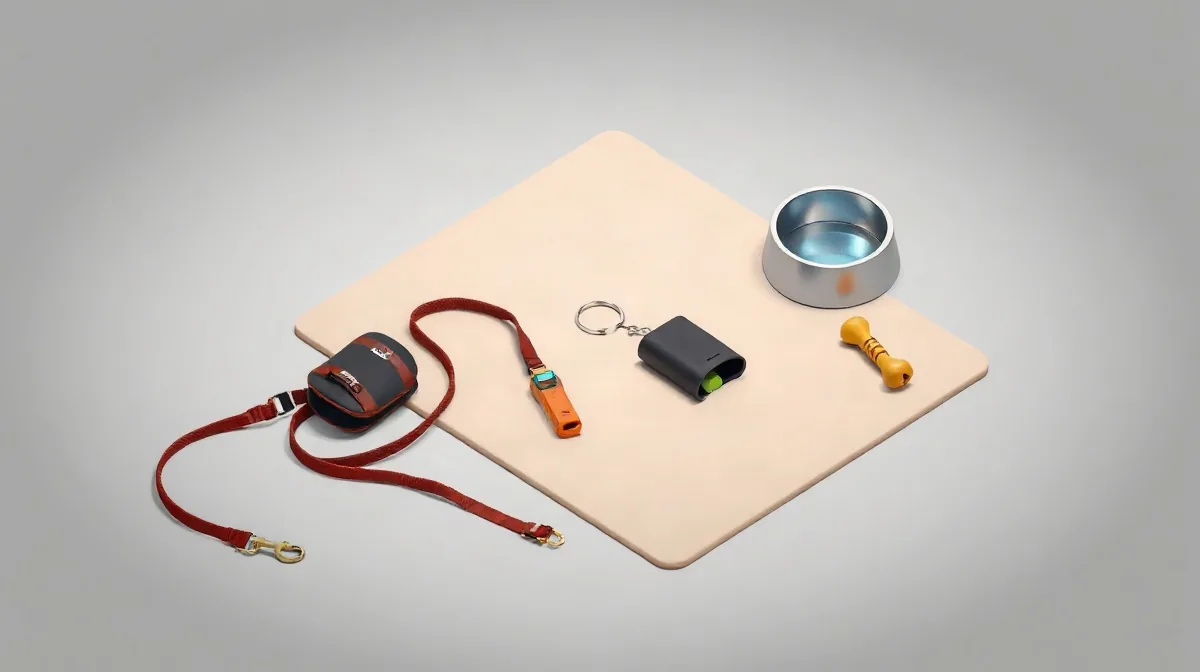
Dog training that builds better behavior uses clear rewards, consistent timing, and simple repetition to teach a dog what to do instead of only correcting what not to do. The goal is lasting habits: calmer choices, better focus, and a stronger relationship between dog and owner.
Good training works best when it is practical and predictable. Rather than relying on punishment or frustration, it turns everyday moments into lessons, helping a dog understand routines, boundaries, and cues in a way that fits real life.
That approach is part of the wider picture covered in our overview «Dogs: A Practical Guide to Health, Care, Training, and Everyday Ownership», and it sets the stage for a deeper look at how training can improve behavior at home, on walks, and in busy environments.
| Approach | Best use | Main risk |
|---|---|---|
| Reward-based training | Teaching sit, recall, and loose-leash walking | Progress can stall if rewards are too infrequent |
| Marker training | Pinpointing the exact right moment | Timing must stay precise |
| Management tools | Preventing bad habits while learning | They do not teach the behavior on their own |
| Punishment-heavy correction | Stopping behavior in the moment | Can increase fear or avoidance |
What training methods are most useful for everyday behavior?
Reward what you want repeated
Reward-based training is the most useful everyday method because it reinforces the exact behaviors you want a dog to repeat: sitting, coming when called, and walking calmly on leash. Food, toys, or immediate access to a favorite activity all work as rewards, and a clicker or a short marker word helps identify the exact moment the dog gets it right.
- Food rewards are practical for sit and recall practice when you want quick, repeatable feedback.
- Toy rewards suit dogs that work harder for play than for treats.
- Access rewards use a favorite activity, such as going outside, after the correct response.
- Marker training with a clicker or brief word improves timing by marking the precise success moment.
Prevent mistakes while habits form
Management tools keep a dog from rehearsing unwanted behavior while a new habit is still being built. Baby gates, crates, and leashes are especially useful because they limit access, reduce opportunities for chewing, jumping, or bolting, and make it easier to guide the dog toward the right choice.
For a broader framework on how training fits into daily care, see our overview “Dogs: A Practical Guide to Health, Care, Training, and Everyday Ownership.”
How does consistent training support health and wellbeing?
Mental effort is part of exercise
Consistent training supports health and wellbeing by giving dogs short, repeatable tasks that build skill without turning lessons into a long, stressful grind. Sessions of 5–10 minutes are often easier for dogs to absorb than a single drawn-out lesson, and cues such as stay, leave it, and recall can turn everyday energy into focused work.
Training also adds mental effort, which can be as tiring as physical exercise for many dogs. That matters when a dog needs a safe outlet for energy, because structured practice asks the brain to solve problems, wait, and respond instead of simply reacting.
Predictability lowers household stress
Reliable cues help reduce risky moments near roads, food, and other dogs, especially when a dog has learned to respond quickly to recall or leave it. A predictable routine also makes home life calmer, because dogs begin to expect walks, meals, and rest at familiar times.
- Short sessions: 5–10 minutes keep learning clear and reduce confusion.
- Safety cues: stay, leave it, and recall help in high-risk situations near roads or tempting food.
- Daily routine: fixed times for walks, meals, and rest help dogs settle more easily.
Which behavior goals are worth prioritizing first?
Safety cues first
Prioritize recall, leave it, and drop it first, because they stop a dog from moving toward danger, picking up unsafe objects, or escalating a scuffle. Recall is the fastest way to interrupt a risky outdoor moment, while leave it and drop it give you a clean response to scavenging, guarding tension, and swallowed hazards.
- Recall: useful when a dog is 10–20 meters away and needs to turn back before reaching traffic, wildlife, or a loose gate.
- Leave it: practical for food on sidewalks, dropped medication, or anything within 1 second of a dog’s nose.
- Drop it: important when a dog already has a sock, stick, or other unsafe item in its mouth.
Household manners second
Loose-leash walking and settle-on-a-mat come next because they make everyday life easier without constant correction. Loose-leash walking protects joint comfort and gives the handler better control on neighborhood walks, while place training helps a dog stay calm around visitors, mealtimes, and busy rooms.
A mat cue is especially useful when people arrive at the door, when food is on the table, or when the room is crowded and the dog needs a defined spot. These skills reduce friction at home and outdoors, but they work best after the safety cues are reliable.
When do common methods stop working?
Too much too soon
Common training methods stop working when the dog is asked to perform beyond its current skill level, especially if a cue like recall or sit has been repeated many times without a reliable follow-through. At that point, the word can lose meaning, and the dog may simply stop responding because the signal no longer predicts anything useful.
- Recall should be proofed on leash before it is tested off leash, because off-leash distance adds a harder distraction level.
- Sit can become background noise if it is called over and over without a reward, release, or consistent response from the handler.
Punishment-heavy training may suppress a behavior in the moment, but it can also teach the dog to avoid the handler, shut down, or act fearful around the person holding the leash. That means the dog looks “better” briefly while the underlying learning problem remains unsolved.
Pain and stress can block learning
Behavior work also breaks down when the dog is in pain, overstimulated, or under-exercised, because a stressed body cannot focus well on new cues. In those cases, a veterinary check and a simpler plan come first, with shorter sessions and fewer distractions before asking for harder work.
How should training sessions be structured day to day?
Build difficulty in steps
Dog training sessions should be short, frequent, and staged: start in a quiet room, move to a hallway, then a yard, and only later try busier outdoor spaces with more distractions. For puppies and easily distracted dogs, several 3- to 5-minute lessons usually work better than one long session that leaves them tired or frustrated.
- Quiet room: learn the cue with almost no background noise.
- Hallway: add mild movement and new smells.
- Yard: practice the same behavior with more space.
- Busier outdoor area: test the cue around people, dogs, and traffic.
Consistency matters more than length
Use the same cue words, the same reward pattern, and the same family rules every day so the dog does not face mixed signals. If one person rewards a sit and another ignores it, the dog learns uncertainty instead of a clear habit. Ending each session on a simple success, such as one clean sit or one calm recall, helps the dog finish confident and ready for the next lesson.
What problems need professional help?
Behavior can be a health signal
Professional help is needed when aggression, separation distress, severe reactivity, or repeated biting go beyond ordinary manners and start looking unsafe or hard to manage. A sudden shift in behavior can also point to pain, illness, or sensory decline, so it should not be written off as disobedience alone.
Escalating cases need outside help
If a dog cannot eat, take treats, or settle after a trigger, the current training plan may be too advanced or the dog may be overwhelmed. In that situation, a qualified trainer or veterinary behavior support can slow the work down, adjust the plan, and decide whether medical assessment should come first.
- Aggression: repeated snapping, lunging, or biting calls for qualified support, not more pressure.
- Separation distress: panic when left alone can need a behavior plan built around safer steps.
- Severe reactivity: if the dog cannot recover after a trigger, the exercise is too difficult for the moment.
- Medical red flags: sudden change, poor appetite, or trouble calming down may mean pain or illness.
Frequently asked questions
What is the best first thing to teach a dog?
How long should a training session be?
Is punishment ever useful in dog training?
Why does my dog behave well at home but not outside?
Key takeaways
- Reward-based training is easier to repeat and easier to scale.
- Recall, loose-leash walking, and leave it are high-value everyday skills.
- Short, consistent sessions beat occasional long sessions.
- Behavior problems can signal pain, stress, or overstimulation.