
Updated: October 27, 2026
Puppy Apollo’s Unexpected Solo Entrance
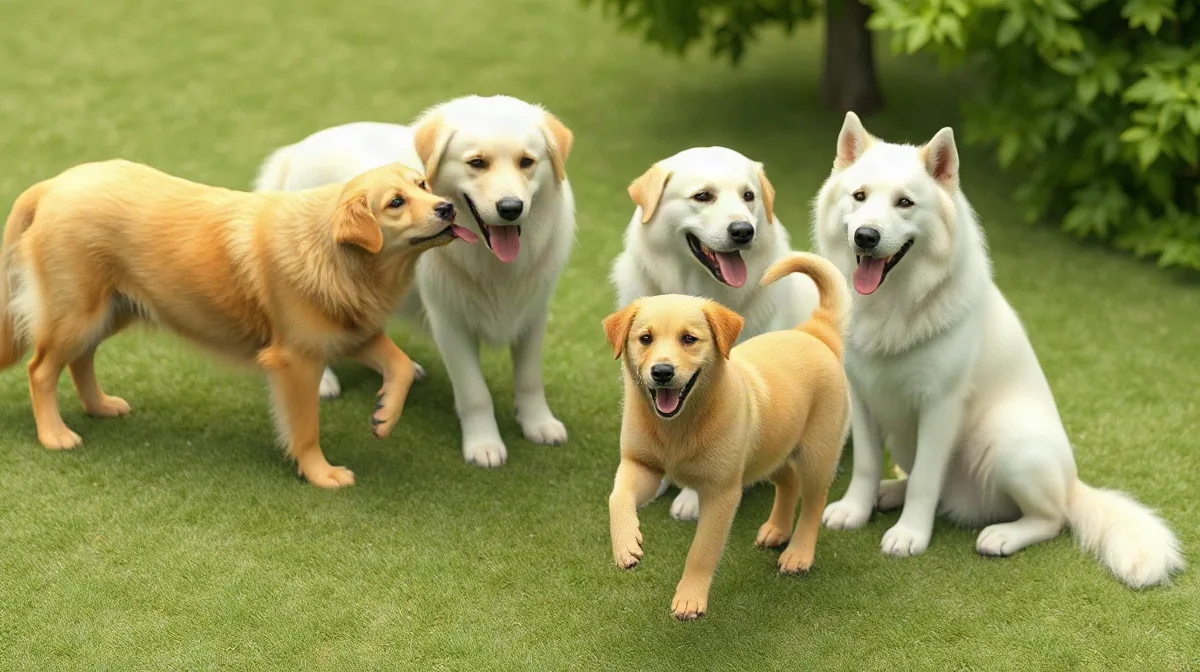
A Golden Retriever puppy called Apollo became the focus of a family reunion in Alaska after wandering into a gathering of Great Pyrenees. A video shared on Instagram by the account @apollo.alaska shows the small newcomer approaching the much larger dogs and mingling with them. The clip’s appeal is easy to understand: Apollo appears curious rather than intimidated, while the adults make room for him.
The original account describes Apollo as arriving alone, but a short video cannot establish how far he travelled or whether a person was nearby off-camera. “Solo” is best understood as the puppy entering the group without another dog beside him—not as evidence that he was unsupervised. That distinction matters: a charming clip is not a safe model for letting a young dog approach unfamiliar animals freely.
The post was described as a 2026 video; without a verifiable publication date or independently confirmed view count, those details should not be treated as a precise measure of when the reunion happened or how many people watched. What the footage does show is a brief, memorable cross-breed encounter, not proof that every puppy will be welcomed the same way.
Background on the Reunion and Participants
The gathering brought Apollo, a young Golden Retriever, together with Great Pyrenees dogs outdoors in Alaska. Both breeds were developed for working roles, but in different ways: Golden Retrievers were bred to retrieve game for hunters, while Great Pyrenees were livestock guardians. Breed history can help explain common tendencies, but it cannot predict an individual dog’s response to a particular puppy.
Size is part of what makes the scene striking. The American Kennel Club (AKC) lists adult male Golden Retrievers at 65–75 lb (29–34 kg) and females at 55–65 lb (25–29 kg). Its Great Pyrenees standard gives adult males a minimum height of 27 in (68.6 cm) and females a minimum of 25 in (63.5 cm); the breed is notably large, though Apollo’s exact age and weight are not given in the post. The original estimate that he weighed under 10 kg is therefore a guess, not a confirmed measurement.
For a puppy meeting large adult dogs, the important factors are not simply breed labels or body weight. A calm approach, loose posture, space to move away and attentive supervision help keep an introduction comfortable. Even a patient dog can accidentally knock over a small puppy, and a puppy that seems enthusiastic may still need a break.
| Breed | Typical working background | AKC adult reference | What it means for this clip |
|---|---|---|---|
| Golden Retriever | Retrieving game for hunters | Males 65–75 lb (29–34 kg); females 55–65 lb (25–29 kg) | Apollo is a puppy; adult figures cannot establish his size in the video. |
| Great Pyrenees | Guarding livestock | Minimum adult height: males 27 in (68.6 cm), females 25 in (63.5 cm) | The adult dogs’ scale makes gentle, supervised introductions especially relevant. |
Public Reaction and Social Media Impact
Viewers responded to the contrast between Apollo’s small frame and the Great Pyrenees’ imposing size, as well as to the larger dogs’ apparently unruffled reception. Comments quoted in coverage joked that Apollo might be hoping to grow as big as his companions. No verified engagement totals are available here, so claims that the post reached a particular number of viewers would be misleading.
Short animal videos can make unfamiliar breeds more visible, but a few seconds of footage are not a temperament test. A dog that looks relaxed in one encounter may behave differently in another setting, and still images or clipped video can omit earlier signals. The most useful takeaway is the observable one: these dogs shared space peacefully in the moment shown.
For owners inspired by Apollo, the practical version of the story is to arrange introductions rather than rely on luck. Meet on neutral ground where possible, keep the dogs on loose leads if leads are needed, and allow them to choose whether to approach. Avoid forcing face-to-face contact or letting a puppy crowd a resting dog. If either animal stiffens, repeatedly turns away, tucks its tail or tries to leave, create distance and end the interaction calmly.
Insights from Lifestyle Journalism
Lifestyle writer Chhavi Puri, described in the original coverage as having seven years of experience at Evolve Media, presented Apollo’s entrance as a light, human-interest story. That framing explains why a brief family gathering could travel beyond the people who attended: the scene combines a clear visual contrast, a surprising choice by the puppy and a seemingly gentle response from the resident dogs.
Those details are more dependable than broad claims about a video’s cultural impact. No publication date, audience figure or independent account of the reunion is established in the available description. Readers can enjoy the story while keeping the reporting in proportion: it is a social-media moment featuring identifiable breeds, not a veterinary assessment or a documented demonstration of breed-wide behavior.
Why Apollo’s Adventure Matters
Apollo’s approach is a reminder that dogs often investigate new companions through a mix of curiosity and caution. Good socialization is not measured by how many dogs a puppy meets; it means having safe, positive experiences at a pace the puppy can manage. The American Veterinary Society of Animal Behavior supports beginning appropriate puppy socialization before a puppy is fully vaccinated, while taking sensible steps to reduce exposure to illness and following veterinary advice for the individual dog.
In practice, use a secure, clean setting and choose healthy, vaccinated dogs with known, steady behavior. Keep first meetings brief, provide room to retreat and supervise continuously. Never leave a puppy alone with unfamiliar adult dogs, however relaxed they appear. If a dog repeatedly avoids contact, freezes, growls or guards a person or resource, separate the animals and seek guidance from a veterinarian or a qualified reward-based trainer.
- 65–75 lb (29–34 kg) AKC adult-male Golden Retriever weight range.
- 55–65 lb (25–29 kg) AKC adult-female Golden Retriever weight range.
- 27 in (68.6 cm) AKC minimum height for an adult male Great Pyrenees.
- 25 in (63.5 cm) AKC minimum height for an adult female Great Pyrenees.
Takeaway: Apollo’s cheerful entrance makes for a sweet reunion story, but the valuable lesson is responsible introduction, not fearless approach. Give puppies space, supervise every meeting and judge each dog by its signals rather than its breed or a viral clip.