
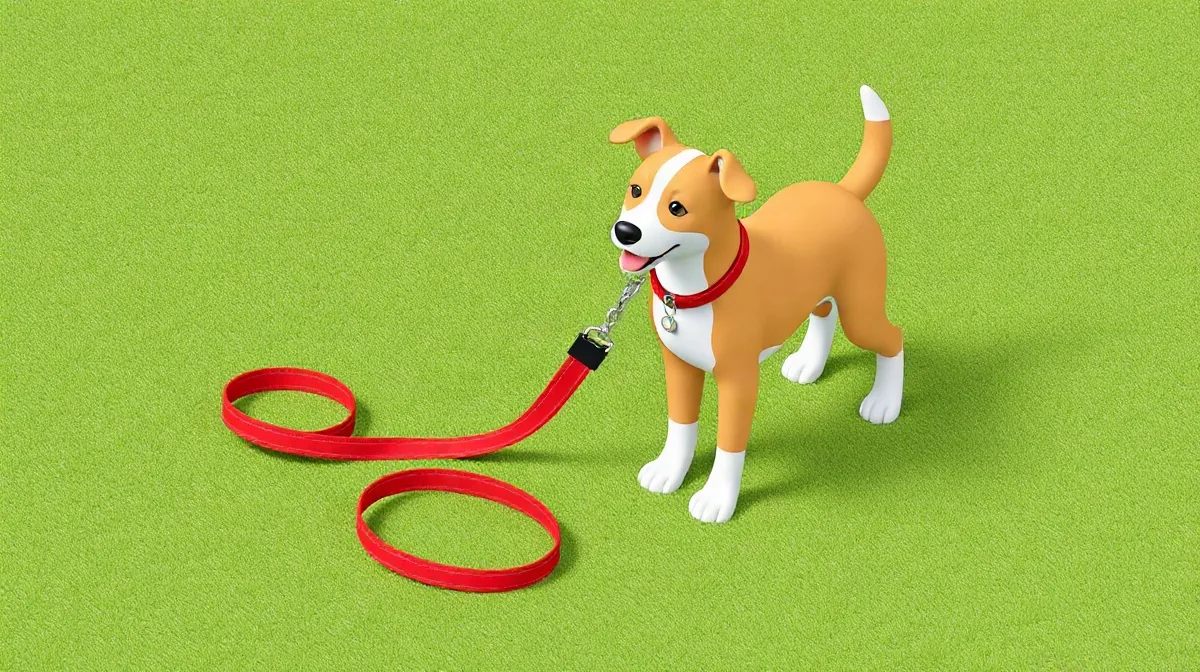
Effective dog training techniques for healthy behavior focus on consistent positive reinforcement, clear communication, and patience to encourage desirable habits while discouraging unwanted ones. These methods build trust and understanding between dog and owner, promoting mental stimulation and emotional well-being alongside good manners.
Training a dog is more than teaching commands; it shapes their overall behavior and supports a balanced, happy life. By applying well-structured approaches tailored to a dog’s personality and needs, owners can prevent behavioral problems before they start and foster a strong, respectful bond. This article explores key strategies that contribute to healthy behavior in dogs, from basic obedience to socialization and problem-solving skills.
For those interested in a broader perspective on canine care, including health and support, see our comprehensive overview titled «Comprehensive Guide to Dogs: Health, Care, Training, and Support». For more detailed advice on specific training methods, check our analysis «Effective Dog Training Techniques for Healthy Behavior» to deepen your understanding of practical, science-backed approaches.
| Training Method | Typical Cost | Effectiveness | Suitable For |
|---|---|---|---|
| Positive Reinforcement | $7–$15 (tools and treats) | High | All breeds and ages |
| Punishment-Based | Often free but risky | Low to moderate | Not recommended — may induce fear |
| Professional Training Classes | $120–$200 per course | Very high | Behavior problems, advanced training |
| Clicker Training | $7–$10 per clicker | High | Puppies and adults |
- 5–10 minutes ideal duration of daily dog training sessions
- 30–60 minutes recommended length of daily walks to reduce anxiety
- $120–$200 average cost of a professional 6–8 week dog training course
What positive reinforcement methods reliably improve dog behavior?
Clicker Training Basics
Clicker training reliably improves dog behavior by providing a precise, consistent marker for desired actions, facilitating faster learning. Devices like the Starmark Pro-Training Clicker, available for about $7–$10, deliver a sharp, distinct sound that signals to dogs exactly when they have performed the correct behavior. This immediacy helps dogs associate the click with positive outcomes, increasing the effectiveness of training sessions.
Sessions lasting 5–10 minutes twice daily optimize engagement while preventing fatigue or loss of interest. Short, frequent training intervals maintain the dog’s focus and reinforce good behavior without overwhelming them, supporting steady progress in obedience and commands.
Choosing Effective Rewards
High-value treats are essential to motivate dogs and reinforce positive behavior reliably. Zuke’s Mini Naturals, priced around $12 for a 7-ounce bag, are a popular choice due to their small size and palatability, allowing frequent rewarding without excess calories. Using treats that dogs find especially desirable encourages consistent response to commands.
- Choose treats small enough to allow multiple rewards per session without overfeeding, such as 1–2 grams per piece.
- Opt for rewards with simple, natural ingredients to avoid digestive upset and maintain health during intensive training periods.
How do structured routines support a dog’s mental well-being?
Routine Walks and Feeding
Structured routines support a dog’s mental well-being by providing predictability and consistent physical activity, which reduce anxiety and prevent destructive behavior. Establishing daily walks lasting 30 to 60 minutes helps expend energy and calm nervous dogs. Feeding on a fixed schedule, such as twice a day at 7 a.m. and 6 p.m., offers reliable mealtimes that decrease stress by creating a sense of security.
Consistency in these routines fosters a stable environment that helps dogs anticipate daily events and feel more relaxed. Regular walks not only promote physical health but also reduce signs of restlessness and hyperactivity, often linked to boredom or anxiety. Likewise, predictable feeding times prevent food-related stress and encourage healthy digestion, which can indirectly support emotional balance.
Mental Stimulation Tools
Mental engagement through puzzle feeders enhances cognitive function and reduces boredom-induced behaviors. The Nina Ottosson Dog Tornado, priced around $25 to $30, challenges dogs to solve rotating compartments to access treats, stimulating problem-solving skills. Incorporating such interactive toys into daily routines complements physical exercise and feeding schedules by offering mental enrichment.
- Nina Ottosson Dog Tornado: Puzzle feeder costing approximately $25–$30
- Walk duration: 30–60 minutes daily
- Feeding schedule: Twice daily at 7 a.m. and 6 p.m.
What are the common mistakes that hinder effective dog training?
Common mistakes that hinder effective dog training include inconsistent commands, overuse of punishment, and excessively long training sessions, all of which reduce learning efficiency and can damage the dog’s behavior and trust.
Avoiding Mixed Signals
Inconsistent verbal cues and hand signals confuse dogs and slow their learning process. For example, if one family member says “sit” while another uses “sit down” for the same command, the dog struggles to associate the action with the correct cue. To prevent this, all household members should agree on a single set of commands and gestures. Consistent communication aligns with training standards recommended by canine behaviorists, who emphasize uniform cues to improve obedience within the first 10–14 days of training.
Limitations of Punishment-Based Training
- Risk of increased fear and aggression: Frequent punishment can lead to heightened anxiety and hostility in dogs, undermining the training goals.
- Positive reinforcement preference: Reward-based methods, such as treats from brands like Zuke’s Mini Naturals priced around $15 per bag, foster motivation and better long-term behavior.
- Session duration: Keeping training sessions under 15 minutes maintains the dog’s attention span, as longer sessions often result in diminishing returns on learning efficiency.
When should professional dog training be sought to improve behavior?
Professional dog training should be sought when a dog exhibits persistent aggression or fear that does not improve after 4 to 6 weeks of consistent home-based training efforts. Early intervention by certified experts ensures that behavioral issues are addressed effectively before they escalate or become ingrained habits.
Recognizing Training Challenges
- Persistent aggression or fear lasting beyond 4–6 weeks despite home training attempts
- Unresponsiveness to basic commands or inconsistent behavior over multiple weeks
- Signs of anxiety or stress interfering with daily routines, such as avoidance or excessive barking
These indicators suggest that targeted professional guidance is needed to correct underlying behavioral problems, which often require specialized techniques beyond typical home training strategies.
Finding Qualified Trainers
- Look for Certified Professional Dog Trainers with Knowledge Assessed (CPDT-KA) certification
- Consider organizations like the Association of Professional Dog Trainers for referrals
- Expect professional group training classes to cost between $120 and $200 for a 6-to-8-week course
Working with certified trainers ensures access to evidence-based methods tailored to your dog’s specific needs. Group classes also offer socialization benefits and structured environments that support behavioral improvement under professional supervision.
How can training techniques be adapted for different dog breeds and ages?
Puppy Training Essentials
Puppy training should begin as early as 8 weeks old, focusing on socialization and basic obedience to establish healthy behavior patterns by 4 months. Early exposure to varied environments, people, and gentle handling helps reduce fear and aggression later in life. According to canine behavior experts, sessions lasting 5–10 minutes, two to three times daily, suit puppies’ short attention spans and promote consistent learning.
Using reward-based tools like the PetSafe Treat & Train system, priced around $70, can reinforce positive behaviors effectively. Additionally, puppy-specific classes following standards set by the American Kennel Club (AKC) help socialize puppies in group settings under controlled supervision, fostering adaptability and confidence before 16 weeks of age.
Breed-Specific Considerations
- Working Breeds: Dogs like Border Collies benefit from intensive mental and physical challenges including agility training and puzzle toys. Activities should last 30–60 minutes daily, as these breeds require high stimulation to prevent behavioral issues.
- Senior Dogs: Older dogs need gentler, shorter training sessions of 5–15 minutes focusing on mobility and cognitive maintenance. Incorporating light massage and brain games can slow cognitive decline, supporting quality of life in dogs over 8 years old.
Adapting training to breed and age ensures each dog’s physical and mental needs are met, promoting lifelong healthy behavior and well-being.
Frequently asked questions
How often should I train my dog to see behavior improvements?
What is a reliable reward for motivating a reluctant dog?
Can punishment-based methods harm my dog’s well-being?
Is professional training necessary for all dogs?
Key takeaways
- Use clicker training and high-value treats for precise, motivating feedback.
- Maintain consistent routines including walks and feeding times for mental stability.
- Avoid mixed commands and excessive punishment to prevent confusion and fear.
- Seek professional help for persistent or complex behavior problems.
- Adapt training techniques based on breed and age for best results.