
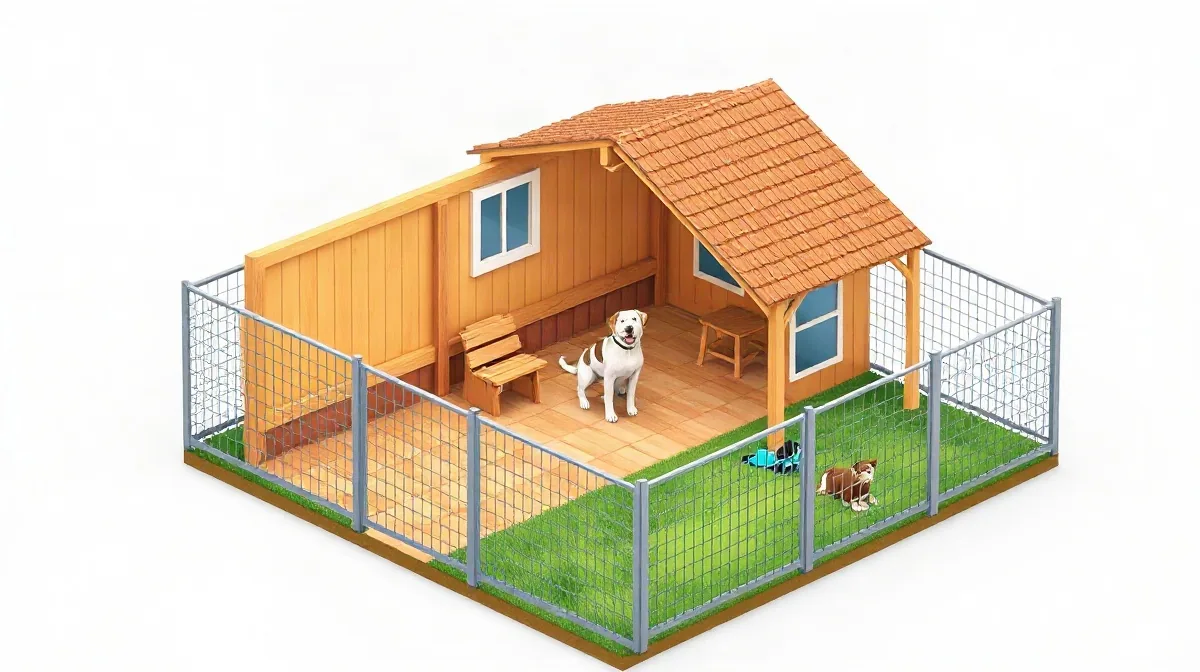
Choosing a safe and caring local dog boarding option means prioritizing facilities or hosts that offer secure environments, attentive supervision, and individualized care tailored to your dog’s needs. Ensuring your pet’s comfort and well-being during your absence depends on thorough research, clear communication, and trust in the caregivers.
Finding the right local dog boarding can be overwhelming, but focusing on safety measures such as secure fencing, clean spaces, and staff qualifications helps narrow the field. Equally important is evaluating how well the boarding service accommodates your dog’s temperament, health requirements, and routine. This article will guide you through key considerations and practical tips for selecting a trustworthy boarding option close to home.
For a broader understanding of canine care and support, see our comprehensive overview, Comprehensive Guide to Dogs: Health, Care, Training, and Support. For more on managing your dog’s well-being while away, refer to our detailed discussion on dog separation anxiety and stress management in boarding settings.
| Type | Average Price per Day (USD) | Included Services | Staff Qualifications |
|---|---|---|---|
| Basic Kennel | 30–40 | Shelter, feeding | Variable, often no certifications |
| Standard Boarding | 45–75 | Exercise, feeding, basic care | Certified staff, licensed facility |
| Luxury Boarding | 90–120 | Grooming, training, premium food | Highly trained, IBPSA certified |
| In-home Boarding | 50–80 | Personalized care, no group exercise | Varies, often pet sitting certified |
- 18–24°C Recommended kennel indoor temperature range for dog comfort
- $45–$75 per day Average cost range for quality dog boarding in urban US areas
- 1:10 Ideal staff-to-dog ratio at reputable boarding facilities
- 6 months Maximum interval since Bordetella vaccination for boarding acceptance
What vaccination and health requirements should a dog boarding facility meet?
Legal vaccine mandates
Most U.S. states legally require dogs to have an up-to-date rabies vaccination to enter boarding facilities, a mandate in effect since 2020. Rabies vaccines must typically be administered within the past one to three years depending on the vaccine type and state law, ensuring public health safety. For example, the state of New York enforces this requirement strictly for all dog boarding establishments.
Recommended immunizations for boarding
- Bordetella vaccine: Many kennels require dogs to have received the Bordetella (kennel cough) vaccine within the past 6 months to prevent respiratory outbreaks.
- AAHA 2024 guidelines: Facilities following the American Animal Hospital Association’s updated boarding health protocols include comprehensive vaccination checks and illness monitoring.
- Health screening timeframe: PetStay Boarding in New York mandates a health screening completed no more than 7 days before arrival to confirm the dog is free of contagious diseases.
How to evaluate the daily care and comfort levels offered by local dog boarding services?
Evaluating daily care and comfort levels at local dog boarding services requires checking specific standards like indoor temperature control, exercise frequency, food quality, and staff-to-dog ratios. These factors directly impact a dog’s well-being and safety during their stay.
Exercise and socialization routines
- Adequate exercise includes at least three outdoor sessions daily, each lasting 15–20 minutes, meeting Pet Care Trust guidelines.
- Socialization is better supported where staff-to-dog ratios are 1:10 or lower; for example, Wag Hotels in California employs one handler per eight dogs, allowing more individual attention.
Diet and living environment
- Indoor temperature should be consistently maintained between 18–24°C (64–75°F) for optimal comfort during boarding.
- Use of premium dog food brands such as Royal Canin or Hill’s Science Diet indicates attention to nutritional quality.
- Boarding costs vary, but premium services offering these standards typically charge between $45 and $75 per day, reflecting the quality of care provided.
What are the typical price ranges for safe dog boarding near me and what do they include?
Standard vs. luxury boarding pricing
Typical daily rates for safe dog boarding near you in urban US areas in 2026 range from about $45 to $75, depending on the facility’s amenities and care level. Basic kennel boarding usually costs between $30 and $40 per day, providing secure housing but generally without additional services. In contrast, luxury boarding facilities charge from $90 up to $120 daily, often including extras such as grooming and training sessions to enhance your dog’s comfort and well-being.
- Basic kennel boarding: $30–$40 per day, limited services
- Average urban boarding: $45–$75 per day, standard care
- Luxury boarding: $90–$120 per day, grooming and training included
Extra costs to consider
Many local boarding facilities assess additional fees for specific health and safety measures, which can add $15 to $25 to your total daily cost. These charges often cover mandatory health screenings to protect all dogs in the facility from contagious illnesses. It is important to budget for these potential extras alongside the base boarding price to avoid unexpected expenses.
- Health screening fees: $15–$25 at some facilities
- Grooming and training sessions: included in luxury boarding rates
How can I verify the qualifications and reliability of dog boarding staff and facilities?
Certifications and inspections
Verifying dog boarding staff qualifications and facility reliability starts with checking for certifications and official inspections. Look for staff certified by the International Boarding & Pet Services Association (IBPSA), which requires passing a comprehensive exam and ongoing education every two years. Additionally, ensure the boarding facility is inspected and licensed by the state Department of Agriculture or local Animal Control, as these inspections assess compliance with health, safety, and sanitation standards. For example, Camp Bow Wow mandates background checks on all employees and requires them to complete at least 16 hours of training annually, demonstrating a commitment to professionalism and continuous skill improvement.
Online reputation and references
Assessing a boarding facility’s online reputation provides another layer of verification. Prioritize facilities with strong reviews on trusted platforms like Petfinder or Yelp, where a rating above 4.5 stars from at least 100 reviewers indicates consistent customer satisfaction. Also, request references from previous clients to confirm reliability and quality of care. Facilities that maintain transparency by sharing detailed client feedback and responding promptly to concerns tend to be more trustworthy and attentive to dogs’ well-being.
When might dog boarding not be the best option and what are common mistakes to avoid?
Limitations of boarding
Dog boarding may not be the best option for pets with severe anxiety or chronic health conditions, as the unfamiliar environment and other animals can exacerbate stress or complicate medical care. In such cases, in-home pet sitting, which often costs between $25 and $50 per hour depending on location, provides personalized attention and minimizes disruption. For example, dogs requiring daily insulin injections or specialized diets may benefit from a caregiver trained in veterinary protocols, rather than relying on boarding staff who may not have veterinary nursing certification. Additionally, some breeds prone to noise sensitivity or separation anxiety, such as Border Collies or Dobermans, may not adjust well to boarding facilities, making a trial stay of 2–3 days essential to assess their adaptation before a longer booking.
Frequent owner errors
Common mistakes include failing to visit the boarding facility in person before booking, which can lead to unexpected hygiene or safety issues. Owners should observe kennel cleanliness, staff interaction, and available enrichment during a visit lasting at least 30 minutes. Another frequent error is not confirming vaccination records; boarding centers typically require current rabies and distemper vaccinations, updated within the last 12 months, to prevent disease outbreaks. Finally, neglecting to verify the facility’s emergency protocols, such as their relationship with a nearby 24-hour veterinary hospital, risks delayed care if an incident occurs. Skipping a trial stay also leaves owners unaware of how their dog copes with the environment, increasing stress and behavioral problems during the full stay.
Frequently asked questions
How far in advance should I book dog boarding to secure a spot?
Are there specific certifications I should look for in dog boarding staff?
What should I bring with my dog to a boarding facility?
How can I tell if a boarding facility is clean and safe during a visit?
Key takeaways
- Confirm all vaccine requirements, including rabies and Bordetella, before boarding
- Ensure daily exercise and temperature-controlled environments for dog comfort
- Expect to pay $45–$75 per day for quality boarding with extras raising costs
- Verify staff certifications and facility licensing for trustworthy care
- Consider alternatives or trial stays for dogs with special needs or anxiety