
Updated: October 22, 2026
Basic obedience training is a vital step in fostering effective communication and mutual respect between you and your dog. It establishes a groundwork that supports well-mannered behavior throughout your dog’s lifetime. Training your dog in foundational commands such as Sit, Stay, and Come equips you to manage daily situations safely and confidently, preventing many common behavioral issues.
Beginning with basic obedience not only improves your dog’s manners but also deepens your relationship, building trust and cooperation. This groundwork is essential for advancing to more complex training while providing the structure and consistency dogs need to thrive. Whether you’re raising a spirited puppy or working with an adult dog, dedicating time to these basic skills yields a happier, more responsive companion.
In this article, we delve into the core principles of basic obedience training, outline practical strategies to start, and share tips for sustaining progress. Establishing a firm foundation ensures your dog enjoys a lifetime of positive interactions and becomes a well-adjusted member of your household and community.
What are the essential commands to teach in basic obedience training?
Core Commands
The fundamental commands every dog owner should teach are Sit and Stay. These commands lay the groundwork for controlled behavior, with most dogs mastering them within 7 to 14 days as per guidelines from the American Kennel Club (AKC). Teaching your dog to Sit on command helps manage excitement, prepares them for further training challenges, and facilitates safe interactions. Stay cultivates patience and impulse control, essential for preventing wandering or sudden movements in potentially hazardous situations. Consistent training sessions lasting 5 to 10 minutes daily, combined with immediate positive reinforcement such as treats or verbal praise, are proven to yield reliable responses within two weeks.
Safety and Control Commands
Commands like Come and Heel are vital for safety and leash control, as emphasized by the Association of Professional Dog Trainers (APDT). The Come command ensures reliable recall, critical for preventing dogs from entering dangerous areas like busy streets. Heel teaches dogs to walk calmly beside their handler, reducing pulling and distractions during walks. Additionally, Down and Leave It commands are crucial for impulse control; Leave It specifically helps prevent dogs from ingesting hazardous or toxic items. According to veterinary behaviorists, training these commands requires gradual exposure to increasing distractions over several weeks or months, highlighting the importance of patience and persistence in achieving dependable obedience.
- Sit and Stay: Typically mastered within 7–14 days (American Kennel Club, 2024)
- Come and Heel: Prioritized by APDT for leash safety and recall
- Leave It: Prevents dangerous ingestion; recommended by veterinary behaviorists
How can positive reinforcement improve obedience training effectiveness?
Treats and Rewards
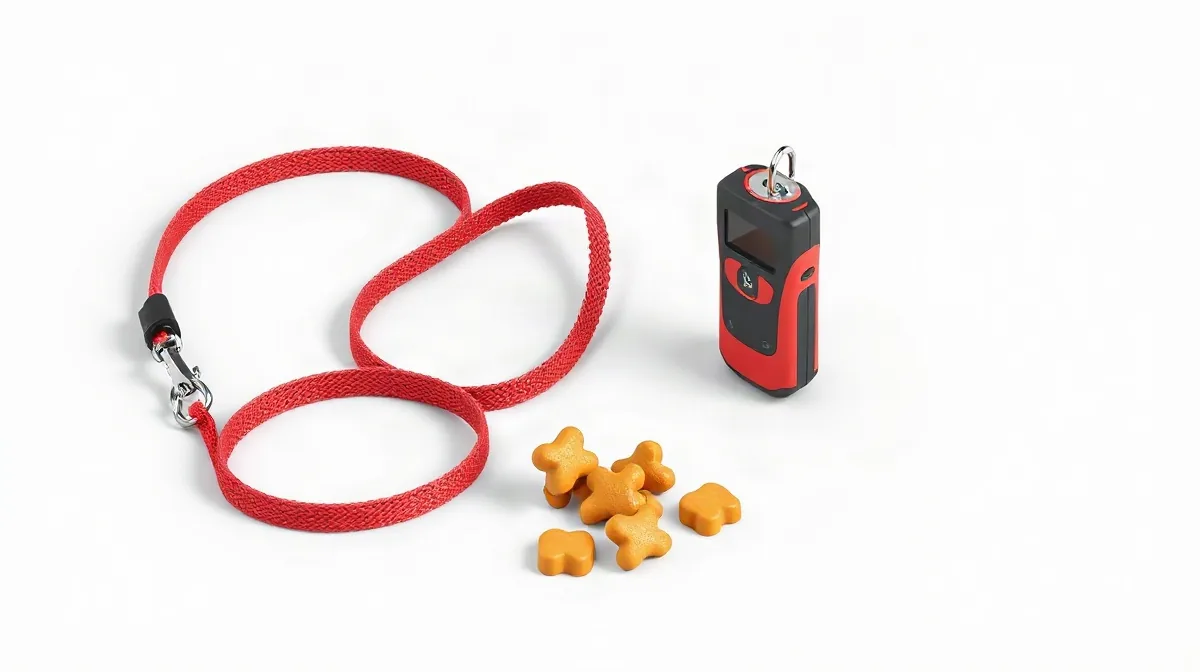
Positive reinforcement significantly enhances obedience training by increasing your dog’s motivation and expediting learning through timely rewards. These treats help maintain a dog’s focus and enthusiasm during training sessions.
Training Tools
In addition to treats, tools like clickers serve as precise behavioral markers, enhancing training clarity. This clicker training method complements treat rewards by reducing ambiguity, accelerating command acquisition, and reducing training errors. Combining high-value treats with consistent, clear signaling creates an effective positive reinforcement system that fosters lasting obedience.
When and how often should obedience training sessions be conducted for best results?
Optimal Session Length
Effective obedience training involves short, frequent sessions to optimize attention and retention. Veterinary behaviorists recommend sessions lasting 5 to 10 minutes, conducted two to three times daily. These brief but consistent intervals prevent mental fatigue and boredom, maintaining a dog’s engagement. To assist owners in maintaining this schedule, apps like Pupford offer free tools for reminders and progress tracking, helping integrate training seamlessly into daily routines.
Starting Age and Consistency
Puppies can safely begin basic obedience training as early as 8 weeks old, capitalizing on critical socialization periods to promote rapid learning and adaptability. Consistent repetition is key; committing to daily training for at least 4 to 6 weeks helps solidify command reliability and behavioral foundations. Adult dogs can also benefit from this approach, though they may require slightly longer periods of repetition. Maintaining a structured, regular schedule ensures the best outcomes regardless of age.
- Begin training at 8 weeks to harness early developmental plasticity
- Conduct sessions 2–3 times daily to reinforce learning and maintain focus
- Maintain consistent training over 4–6 weeks to establish lasting behavior changes
- Utilize organizational tools like Pupford’s app for scheduling and tracking progress
What are common mistakes to avoid in basic obedience training?
Several frequent errors can hinder the effectiveness of basic obedience training, including inconsistent commands and rewards, reliance on punishment-based methods, and failure to generalize commands across environments. These mistakes can prolong training time, contribute to behavioral problems, and reduce obedience reliability outside the home.
Inconsistency
Inconsistent use of commands or variable reinforcement disrupts a dog’s ability to associate cues with actions, slowing progress by weeks or even months, according to the American Veterinary Society of Animal Behavior (AVSAB). For example, using different words for the same command or alternating between types of praise and treats can confuse dogs.
Punishment Risks
Training techniques that depend on punishment or aversive stimuli carry significant risks, including increased fear and aggression. These negative effects can undermine trust and reduce training effectiveness. Positive reinforcement approaches encourage desired behaviors through rewards, fostering a trusting relationship and more consistent obedience, especially critical during the socialization period before 16 weeks of age.
- Use consistent verbal commands and uniform rewards to avoid confusion and extend training duration unnecessarily
- Avoid punishment-based methods to reduce fear and aggression risk by up to 40%, per Veterinary Clinics of North America (2024)
- Practice commands in multiple environments to generalize obedience beyond the home setting
How do training tools and equipment influence obedience training outcomes?
Leash Types
The choice of leash plays a pivotal role in obedience training efficacy by managing the balance between control and freedom. Standard 6-foot nylon leashes, available for $10 to $20, provide sufficient control while allowing enough leash slack for comfortable movement, making them ideal for foundational training.
Head Halters and Collars
Head halters like the Gentle Leader, priced from $20 to $30, gently steer the dog’s head to reduce pulling and improve focus on the handler, making them highly effective for dogs with strong pulling tendencies. For collars, the American Animal Hospital Association (AAHA) recommends flat buckle collars as safe and effective for training purposes, providing control without discomfort or risk of injury. Avoid choke chains and prong collars, which can cause pain and damage, and are not endorsed by veterinary or training professionals.
- Flat buckle collar: AAHA-recommended for safe, humane control during training
Frequently asked questions
How long does it take to see results from basic obedience training?
Can older dogs learn basic obedience commands as effectively as puppies?
What should I do if my dog doesn’t respond to a command?
Are there any health considerations during obedience training?
Key takeaways
- Begin training as early as 8 weeks old with short, frequent sessions to maximize learning potential
- Utilize high-value treats such as Zuke’s Mini Naturals to motivate and reward your dog effectively
- Employ standard 6-foot nylon leashes and Gentle Leader head halters for optimal control during training
- Maintain consistency in commands, rewards, and training environments to ensure reliable obedience