
Updated: October 22, 2026
Proper socialization during a puppy’s early life is critical for developing a balanced temperament and preventing behavioral challenges such as anxiety, fear, and aggression. Mistakes in timing, exposure variety, handling methods, and health precautions can have measurable and sometimes permanent impacts on a dog’s future behavior and wellbeing.
What are the most frequent timing errors in puppy socialization?
The socialization period for puppies is widely recognized to occur between approximately 3 and 14 weeks of age. This window is a sensitive phase when puppies are biologically primed to accept and adapt to new experiences. Missing this period or initiating socialization too late significantly raises the risk of fear-related behaviors and social deficits. For instance, a 2019 study by the American Veterinary Society of Animal Behavior found that puppies not exposed to diverse social stimuli by 12 weeks of age are 40% more likely to exhibit chronic fear responses during adolescence.
Key timing issues
- Introducing new stimuli after 14 weeks: Social exposure delayed beyond this period reduces neural plasticity related to social learning.
- Starting socialization prior to 3 weeks: Puppies’ immune systems are immature before this age, increasing susceptibility to infectious diseases.
- Insufficient frequency of exposure: Less than three social interactions per week during the critical window can weaken habituation and confidence-building.
How does inadequate diversity in socialization affect puppy behavior?
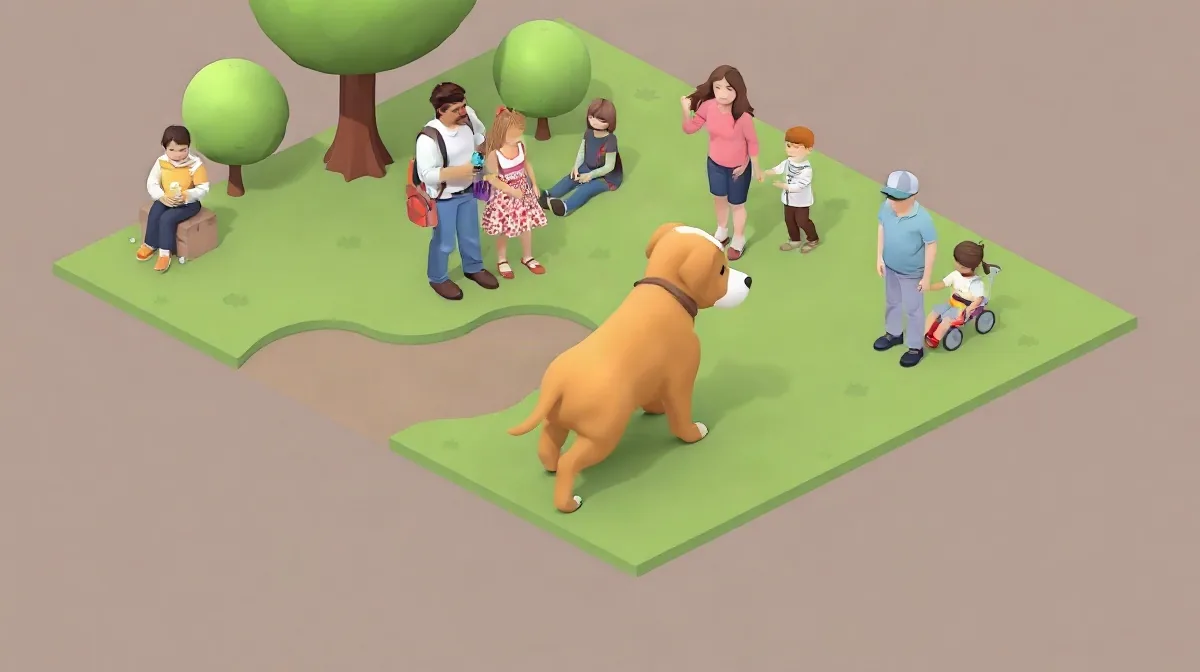
Exposure solely to familiar people, environments, or a narrow range of dog breeds limits a puppy’s ability to generalize social skills. This can result in heightened social anxiety or aggressive behaviors when confronted with unfamiliar stimuli. Research from the University of Lincoln’s Animal Behaviour Centre recommends that puppies meet at least 10 different humans and 5 different dog breeds in varied settings before 14 weeks of age to foster resilience and adaptability.
Variety is vital
- Socialization with diverse humans: Including children, adults, and seniors from multiple backgrounds.
- Interaction with multiple dog breeds: Exposing puppies to breeds ranging from small (e.g., Cavalier King Charles Spaniel) to large (e.g., German Shepherd) to enhance social flexibility.
- Acclimation to varied environments and sounds: Parks, urban sidewalks, indoor public places, and noises such as traffic, household appliances (e.g., vacuum cleaners producing 70 dB), and playgrounds.
Why is improper handling and negative experiences during socialization harmful?
Forceful restraint, punishment, or overwhelming exposure during socialization can instill lasting fear and distrust. Positive reinforcement techniques, such as using treats like Zuke’s Mini Naturals or verbal praise, encourage puppies to associate new experiences with safety and reward.
Handling mistakes to avoid
- Applying physical punishment or harsh corrections during socialization sessions.
- Exposing puppies abruptly to loud noises exceeding 85 decibels without gradual habituation.
- Neglecting to reward calm and positive behaviors immediately after exposure.
What impact does ignoring health precautions during socialization have?
Neglecting vaccinations or hygiene during socialization can lead to illness such as canine parvovirus or distemper, which interrupts social exposure and may cause developmental delays. The American Veterinary Medical Association (AVMA) recommends completing core vaccinations by 16 weeks, including against parvovirus, distemper, adenovirus, and rabies, before extensive social outings. Avoiding high-traffic dog parks or communal areas until vaccination status is confirmed reduces infection risks.
Health considerations
- Completing core vaccination series by 16 weeks, including vaccines from companies like Merck or Zoetis.
- Avoiding dog parks and pet stores with high disease prevalence until full vaccination.
- Maintaining parasite control with monthly products such as NexGard or Heartgard during socialization.
How do these mistakes translate into long-term behavioral problems?
Puppies experiencing inadequate socialization are statistically more likely to develop behavioral disorders. These issues often require professional intervention, with behavioral therapy costs averaging between $200 and $500 per session, depending on location and treatment length.
Common behavioral consequences
- Fear aggression, which typically emerges between 6 and 12 months of age.
- Increased rates of separation anxiety leading to destructive behaviors such as chewing and excessive barking.
- Reduced ability to adapt to novel people or environments, limiting training success and social opportunities.
Frequently asked questions
When should socialization ideally begin for a puppy?
Can socialization mistakes be corrected later in a dog’s life?
Is it safe to take a puppy to dog parks before full vaccination?
What types of stimuli should be included in socialization?
Key takeaways
- Begin socialization within the 3 to 14-week critical window to maximize effectiveness.
- Ensure exposure to a broad range of people, dog breeds, environments, and everyday sounds.
- Apply gentle handling and positive reinforcement using treats and praise to build trust.
- Complete all core vaccinations by 16 weeks before extensive social interactions.
- Early socialization errors increase the risk of anxiety, aggression, and costly behavioral treatments.
In summary, avoiding common puppy socialization mistakes—including late initiation, limited diversity, harsh handling, and ignoring health safeguards—is essential for nurturing confident, well-adjusted adult dogs. Adhering to evidence-based guidelines during the sensitive developmental window sets the stage for a stable temperament and reduces the likelihood of costly and challenging behavioral problems.