
Updated: October 22, 2026
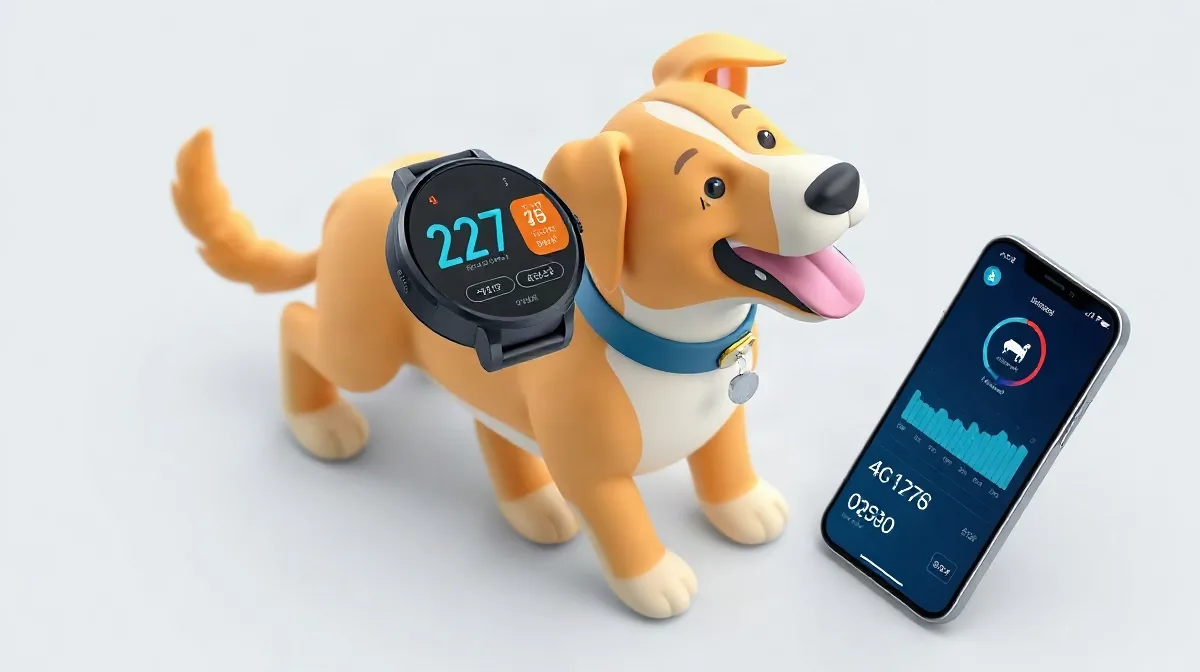
Smart wearables for dogs provide real-time monitoring of vital signs and activity levels, helping owners detect health issues early and improve pet care. Devices like the Whistle Health Tracker and FitBark 3 offer comprehensive tracking with user-friendly apps, priced between $80 and $150, making them accessible tools for proactive dog health management.
What Are the Leading Smart Wearables for Monitoring Dog Health?
The top smart wearables designed for dogs in 2026 include the Whistle Health Tracker, FitBark 3, and Garmin Delta Smart. These devices combine GPS tracking with health monitoring features such as heart rate, activity levels, and sleep patterns.
Device Features Overview
| Device | Price (USD) | Key Health Metrics | Battery Life | Additional Features |
|---|---|---|---|---|
| Whistle Health Tracker | 130 | Heart rate, Activity, Calories | 7 days | GPS, Mobile alerts |
| FitBark 3 | 99 | Activity, Sleep quality | 20 days | Vet reports, App integration |
| Garmin Delta Smart | 150 | Heart rate, Activity, GPS | 5 days | Training modes, E-collar |
How Do These Wearables Track Vital Signs and Activity?
These smart devices utilize sensors such as accelerometers and optical heart rate monitors to collect continuous data. The Whistle Health Tracker employs photoplethysmography (PPG) sensors to measure resting heart rate, while FitBark 3 focuses on accelerometer-driven activity and sleep monitoring. Garmin Delta Smart combines these with GPS to deliver comprehensive insights.
Sensor Technologies and Data Transmission
- Heart rate: Optical sensors detect blood flow changes for pulse measurement.
- Activity: 3-axis accelerometers track movement intensity and patterns.
- Sleep: Movement and rest cycles are analyzed via accelerometer data.
- GPS: Provides location and exercise route mapping.
Why Is Continuous Monitoring Important for Dog Health?
Continuous health monitoring enables early detection of illnesses such as cardiac anomalies or mobility issues. For example, elevated resting heart rate can signal stress or infection. According to veterinary health studies, consistent tracking of activity and sleep can reduce emergency vet visits by identifying subtle behavior changes before symptoms worsen.
Benefits of Early Health Detection
- Improved management of chronic conditions like arthritis and heart disease.
- Timely intervention reduces treatment costs and recovery time.
- Enhanced communication with veterinarians through objective data.
How User-Friendly Are These Devices for Dog Owners?
Most wearables offer companion smartphone apps compatible with iOS and Android, providing easy-to-understand dashboards and alerts. For example, Whistle’s app sends notifications when abnormal heart rates or inactivity are detected. FitBark 3 integrates with veterinary portals, allowing vets direct access to health data. Garmin’s app includes training feedback alongside health metrics.
App Features and Integration
- Real-time alerts for abnormal vital signs.
- Historical health trend reports.
- Integration with veterinary health records (FitBark 3).
- GPS-based tracking and geofencing notifications.
How Much Do These Smart Dog Health Wearables Cost and What Is Their Value?
Prices for smart dog wearables range from $80 to $150, with subscription plans for advanced features adding $5 to $10 monthly. The Whistle Health Tracker charges $7/month for premium monitoring, while FitBark 3 offers optional vet integration subscriptions. Considering the potential to reduce vet emergencies and improve quality of life, these costs are justified for many owners.
Cost Breakdown and Ownership Considerations
- Battery replacement or charging requirements.
- Compatibility with dog size and breed (some devices better for small dogs).
Frequently asked questions
Can smart wearables measure a dog’s temperature?
Are these devices suitable for all dog sizes?
How often should the device be charged or maintained?
Do these devices require a subscription?
Key takeaways
- Smart dog wearables like Whistle and FitBark 3 monitor vital signs and activity in real time.
- Battery life ranges from 5 to 20 days depending on the model and usage.
- Subscription services enhance health insights and veterinary communication.
- Continuous monitoring benefits early disease detection and management.
- Device costs range from $80 to $150, with added monthly fees for premium features.
In conclusion, the latest smart wearables for dogs combine advanced sensor technology with user-friendly apps to offer vital health monitoring and activity tracking. Devices like the Whistle Health Tracker and FitBark 3 provide owners with actionable insights into their dogs’ well-being at affordable prices. While some models require subscriptions for full functionality, the investment can lead to better health outcomes and peace of mind. As the technology evolves, these wearables are becoming indispensable tools in responsible dog care.