
Updated: October 22, 2026
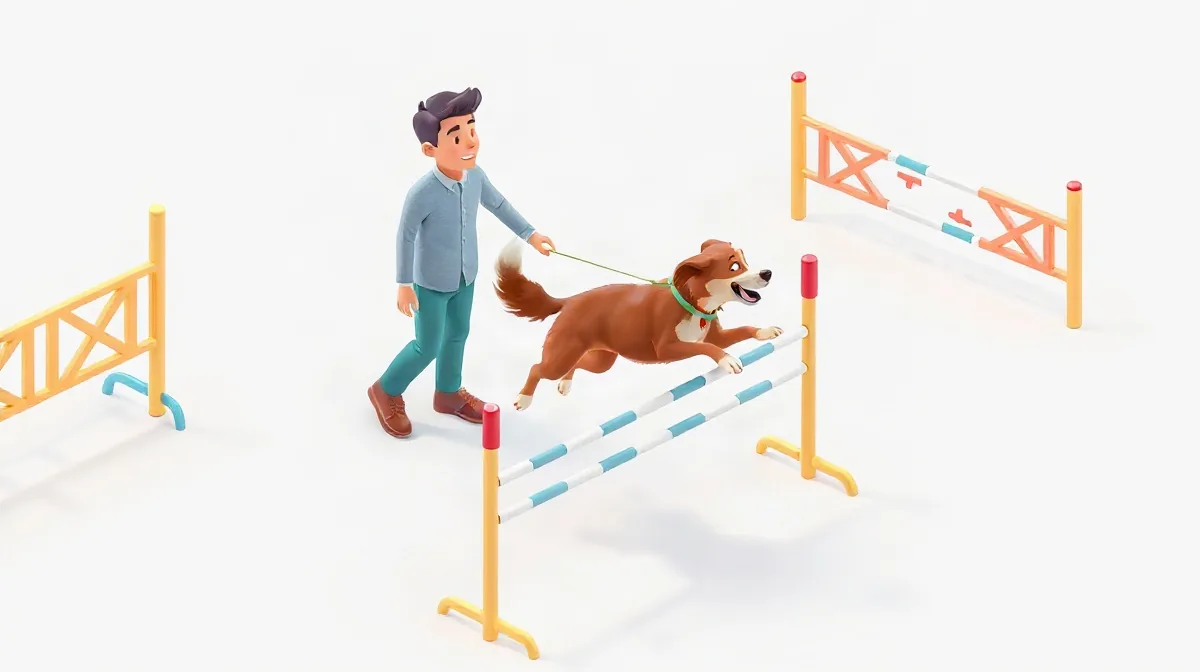
Training your dog for agility boosts their physical fitness and enhances the bond between you by engaging them in structured obstacle courses that challenge their speed, coordination, and obedience. This dynamic sport combines physical exercise and mental stimulation, making it ideal for dogs of various breeds and ages.
What is dog agility training and why is it beneficial?
Dog agility training involves teaching a dog to navigate a timed obstacle course that includes jumps, tunnels, weave poles, and contact equipment. It is beneficial because it not only improves a dog’s cardiovascular health and muscle tone but also sharpens their focus and responsiveness to commands.
The sport is accessible to many breeds, including Border Collies, Australian Shepherds, and Shetland Sheepdogs, known for their agility and trainability.
Key benefits of agility training include:
- Enhanced physical fitness and endurance
- Improved mental alertness and problem-solving skills
- Strengthened communication and trust between dog and owner
- Structured socialization through competitions and classes
How do you start training a dog for agility?
Starting agility training requires patience, consistency, and basic obedience skills. The initial phase focuses on familiarizing the dog with simple obstacles and teaching foundational commands like “sit,” “stay,” and “come.” Professional agility classes typically begin when a dog is at least 12 months old to protect growth plates.
Training sessions last 10 to 15 minutes, two to three times weekly, to prevent fatigue and maintain enthusiasm.
Steps to begin agility training:
- Ensure your dog is in good health and consult a vet for clearance
- Introduce obstacles gradually with positive reinforcement
- Use clicker training for precise communication
- Build up duration and complexity over weeks
What equipment is essential for agility training?
Essential agility equipment includes jumps, tunnels, weave poles, and contact obstacles such as the A-frame and dog walk. Quality equipment designed to safety standards reduces injury risk and improves training effectiveness.
The Clean Run Starter Kit ($150) and DOG-AGILITY-USA’s adjustable weave poles ($80) are popular among beginners. Professional-grade sets like those from Cynosport offer durable, regulation-compliant obstacles used in competitions, costing upwards of $1,000.
How long does it take to train a dog for agility?
The timeline varies depending on the dog’s breed, age, and prior training. On average, it takes about 3 to 6 months of consistent weekly training for a dog to confidently complete beginner agility courses.
Some breeds with a high drive and intelligence, like Border Collies, may progress faster, while others require more time to develop coordination and focus. Structured classes typically run once a week for 6-12 weeks, supplemented by home practice.
Factors influencing training duration:
- Dog’s physical condition and age
- Owner’s experience and training methods
- Frequency and length of training sessions
- Availability of quality equipment and coaching
What are the costs associated with agility training?
Costs include equipment, training classes, and potentially competition entry fees. Beginner classes range from $100 to $200 for 6-8 weekly sessions, while private coaching can cost $50-$75 per hour.
Budgeting for veterinary health checks and conditioning supplements is also important.
Frequently asked questions
Is agility training suitable for all dog breeds?
At what age can I start agility training with my dog?
How do I prevent injury during agility training?
Can agility training help with behavioral problems?
Key takeaways
- Agility training enhances physical fitness and mental sharpness in dogs.
- Training typically starts at 12 months with low-impact obstacles and basic commands.
- Training duration to beginner competency averages 3 to 6 months.
- Safety and gradual progression minimize injury risk and maintain enthusiasm.
In conclusion, dog agility training is a rewarding activity that improves your dog’s health and deepens your connection through teamwork and fun challenges. By investing in proper equipment, training, and patience, you can enjoy a fulfilling sport that benefits both you and your canine companion for years to come.