
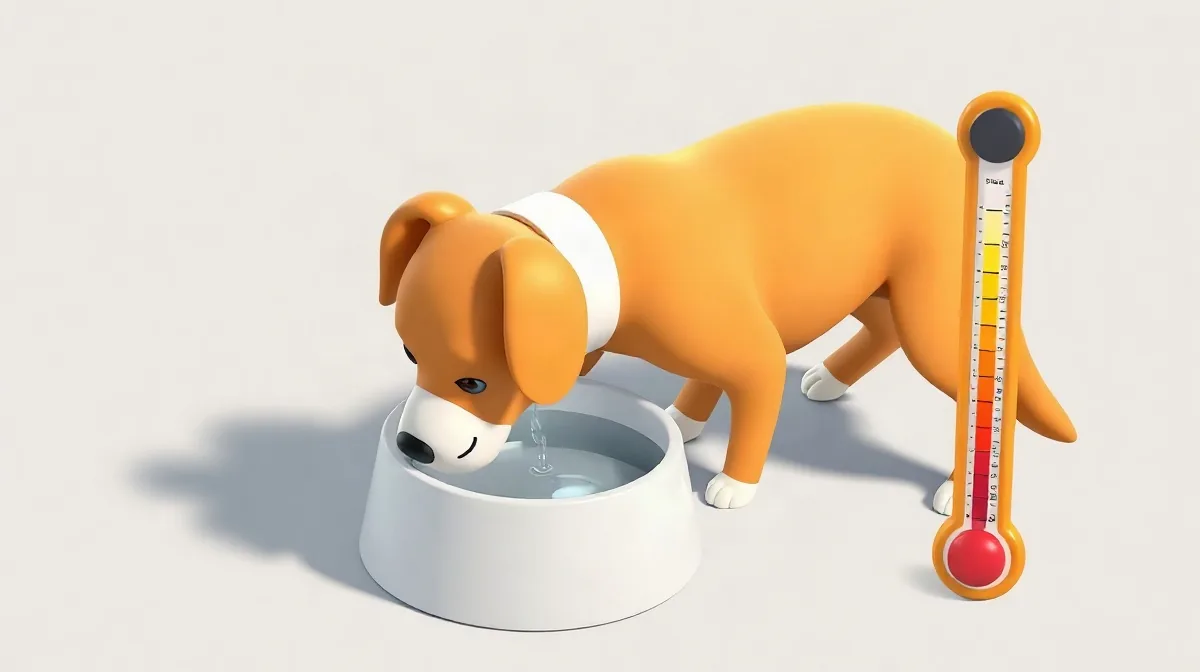
Common signs of canine dehydration include excessive panting, dry gums, lethargy, sunken eyes, and loss of skin elasticity. Preventing dehydration involves ensuring your dog has constant access to fresh water, avoiding strenuous exercise in hot weather, and monitoring their hydration during illness or stress.
Dehydration can quickly become a serious health issue for dogs, especially during warm months or when they are active. Recognizing the early signs of canine dehydration is crucial for pet owners to act promptly and protect their furry companions from potential complications. Understanding how to prevent dehydration helps maintain your dog’s overall well-being and keeps them comfortable and healthy.
This article explores the common signs of canine dehydration and offers practical tips on how to prevent it, enabling you to provide the best care for your dog throughout the year.
| Method | Cost Range (USD) | Effectiveness | Limitations |
|---|---|---|---|
| Fresh Water Access | Free to $20 (bowls) | High if refreshed twice daily | Dogs may refuse if water is stale or dirty |
| Electrolyte Solutions (e.g., Vetivex) | $15 per 500 ml | Moderate to High for illness or exertion | Requires veterinary advice; not a substitute for water |
| Cooling Mats (e.g., K&H Cool Bed) | $50 | Supports thermoregulation | Does not hydrate; only cooling |
| Shade Provision | Free to minimal cost | Essential to reduce heat stress | Insufficient alone if water is lacking |
- 50 ml/kg Daily water requirement per kilogram of dog body weight
- 2 seconds Skin tent test time indicating dehydration
- 10% Body weight loss threshold indicating severe dehydration
- 38.3°C to 39.2°C Normal canine body temperature range
- 25°C Outdoor temperature threshold to avoid dog exercise during midday
What are the most visible signs of dehydration in dogs?
Visible signs of dehydration in dogs include dry, sticky gums, sunken eyes, loss of skin elasticity, and an increased heart rate. These symptoms reflect the severity of fluid loss and can be checked easily at home or by a veterinarian to assess hydration status promptly.
Mucous Membrane Changes
One of the clearest indicators of dehydration is the condition of a dog’s gums. Dry and sticky gums, rather than moist and slippery, suggest insufficient hydration. Another critical sign is the capillary refill time (CRT), which should normally be under 2 seconds; a prolonged CRT exceeding 2 seconds signals poor blood circulation due to dehydration. These mucous membrane changes are practical, quick measures used in veterinary clinics to evaluate a dog’s hydration level.
Physical Indicators of Fluid Loss
Physical signs like sunken eyes are common in dehydrated dogs, with eye recession greater than 2 millimeters serving as a clinical indicator of significant fluid loss. The skin tent test is another valuable tool: when the skin’s elasticity is reduced so that it remains tented for more than 2 seconds after being pinched, dehydration is likely. Additionally, an elevated heart rate above 120 beats per minute in medium-sized dogs can indicate the body’s response to fluid deficits.
- Capillary refill time over 2 seconds
- Eye recession exceeding 2 millimeters
- Skin tent duration longer than 2 seconds
- Heart rate above 120 beats per minute (medium-sized dogs)
Why is dehydration dangerous to dogs’ health and what complications can arise?
Dehydration is dangerous to dogs because it disrupts vital physiological functions, potentially leading to severe organ damage and life-threatening complications if untreated. A loss of 10% or more of body weight due to fluid depletion can cause kidney failure, a critical condition requiring immediate veterinary care.
Organ Dysfunction Risks
Severe dehydration reduces blood volume, impairing kidney filtration and increasing the risk of acute kidney injury. Electrolyte imbalances, especially disturbances in sodium and potassium levels, can trigger dangerous cardiac arrhythmias. These imbalances affect the heart’s rhythm and may escalate into fatal conditions if not promptly corrected.
Emergency Consequences
When dehydration lowers circulating blood volume drastically, dogs face hypovolemic shock, an emergency state requiring urgent intervention to restore blood flow and oxygen delivery. Prolonged dehydration also hampers thermoregulation, heightening the risk of heat stroke, especially in brachycephalic breeds like Bulldogs that already struggle with heat dissipation.
- Severe dehydration threshold: 10% body weight loss
- Common electrolyte imbalances: sodium and potassium disturbances
- High-risk breed for heat stroke: Bulldog
- Critical emergency: hypovolemic shock requiring immediate veterinary care
How can dog owners effectively prevent dehydration in their pets?
Hydration Management
Preventing dehydration in dogs starts with ensuring constant access to clean, fresh water. Offering water ad libitum and refreshing it at least twice daily is essential. Water bowls should be thoroughly cleaned every 24 hours to prevent bacterial contamination that could discourage drinking. During periods of exertion or illness, hydration supplements such as Vetivex Electrolyte Solution, which costs around $15 for 500 ml, can support fluid and electrolyte balance. These supplements help maintain hydration when dogs lose fluids more rapidly than usual.
Environmental Controls
Minimizing heat stress is critical for dehydration prevention. Dog owners should avoid exercising their pets during peak heat hours, typically between 11 a.m. and 4 p.m., especially when outdoor temperatures exceed 25°C (77°F). Providing ample shade and cooling options, such as the K&H Pet Products Cool Bed priced at about $50, supports thermoregulation and reduces fluid loss through panting. These environmental adjustments help keep dogs cooler and less prone to dehydration during hot weather.
- Change water at least twice daily and clean bowls every 24 hours
- Use Vetivex Electrolyte Solution ($15 per 500 ml) during exertion or illness
- Avoid exercise between 11 a.m. and 4 p.m. when temperatures exceed 25°C (77°F)
- Provide shade and cooling mats like K&H Cool Bed (~$50) to aid heat relief
When might common prevention methods fail and what mistakes do owners often make?
Limitations of Basic Hydration
Prevention methods like providing water bowls can fail if owners do not monitor whether their dog actually drinks, as mere availability does not guarantee intake. Dogs may hide early dehydration signs, and breeds such as English Bulldogs with brachycephalic features are at higher risk without gradual acclimation to heat. For example, acclimating dogs over a 7–14 day period can reduce vulnerability to heat stress. Additionally, relying on sugary or flavored drinks marketed for pets, such as some electrolyte solutions priced around $15 for 500 ml, may worsen dehydration or cause gastrointestinal upset if not specifically formulated for canine use.
Common Owner Errors
Many owners overlook underlying health conditions like diabetes or kidney disease that significantly increase dehydration risk. Failure to adjust hydration practices accordingly can lead to rapid fluid loss. Mistakes include:
- Assuming water bowl presence ensures hydration without checking if the dog drinks at least 50 ml per kilogram of body weight daily.
- Using human sports drinks or flavored waters not approved for dogs, which can disrupt electrolyte balance.
- Ignoring signs such as lethargy or dry gums, which often precede more severe dehydration stages.
- Failing to provide shade or rest breaks during exercise in temperatures above 25°C, particularly for short-nosed breeds.
What routine checks can owners perform to monitor hydration status at home?
Simple Physical Tests
Owners can assess their dog’s hydration at home by performing straightforward physical checks such as the skin tent test and inspecting gum moisture. To do the skin tent test, gently pinch the skin on the neck or shoulder and observe how quickly it returns to its normal position; if it takes longer than 2 seconds, this indicates dehydration. Additionally, checking the gums regularly helps identify hydration issues—healthy gums should be moist and pink, while pale or sticky gums may signal the need for veterinary evaluation.
Behavioral and Urine Monitoring
Monitoring your dog’s urine output and color provides valuable clues about hydration status. Dark yellow urine or a noticeable decrease in urination frequency can suggest dehydration. Owners can also track body temperature using digital pet thermometers, such as the Kinsa QuickCare Pet Thermometer, which typically costs between $20 and $40. Canine normal body temperature ranges from 38.3°C to 39.2°C; deviations from this range may reflect dehydration or other health issues. These combined observations help owners detect early signs of dehydration before serious symptoms develop.
- Skin tent test: skin returns slower than 2 seconds indicates dehydration
- Gum moisture: pale or sticky gums warrant veterinary attention
- Urine color: dark yellow urine signals potential dehydration
- Body temperature: normal canine range is 38.3°C to 39.2°C
- Digital thermometer price: approximately $20–$40 for models like Kinsa QuickCare
Frequently asked questions
How much water does a typical dog need daily to stay hydrated?
Can dehydration in dogs cause permanent damage?
Are all dog breeds equally susceptible to dehydration?
Is giving electrolyte solutions safe for all dogs?
Key takeaways
- Skin tent test over 2 seconds signals dehydration
- Dogs lose critical fluids above 10% body weight loss
- Hydration supplements cost around $15 per 500 ml
- Avoid outdoor exercise above 25°C between 11 a.m.–4 p.m.
- Brachycephalic breeds need special heat precautions
