
Updated: October 22, 2026
Handling separation anxiety in dogs requires a combination of gradual desensitization, consistent routines, and positive reinforcement to help your dog feel secure when alone. Techniques such as creating a safe space, providing mental stimulation, and avoiding dramatic departures can significantly reduce anxiety symptoms over time.
Separation anxiety is a common challenge many dog owners face, often leading to distress for both pet and owner. Dogs suffering from this condition may exhibit behaviors like excessive barking, destructive chewing, or attempts to escape when left alone. Understanding how to handle separation anxiety in dogs is essential to improving their well-being and fostering a calm, confident companion.
This article explores effective techniques to manage and alleviate separation anxiety, offering practical advice tailored to different dog personalities and household situations. By applying these strategies, you can help your dog develop independence and reduce their stress during your absences, creating a happier home for everyone involved.
What are the proven training techniques to reduce separation anxiety in dogs?
Crate Training Basics
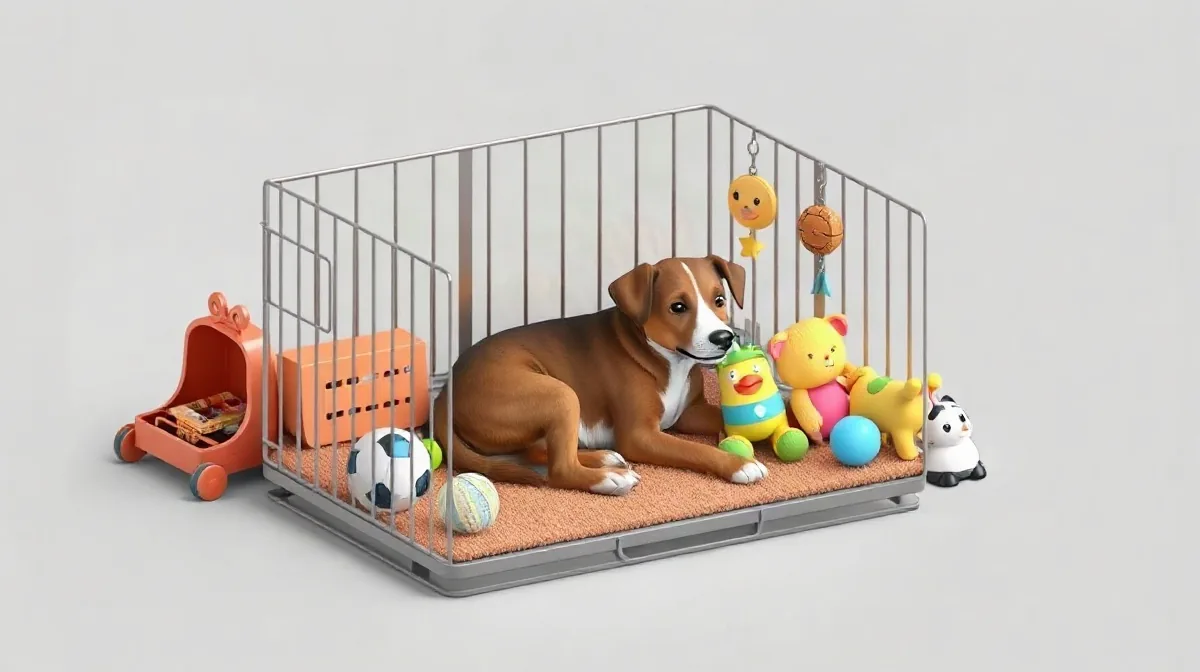
Crate training is a proven technique to reduce separation anxiety by providing dogs a secure, den-like space that feels safe during alone time. The crate should be large enough for the dog to stand, turn around, and lie down comfortably but not so big that it loses the cozy feeling. Consistent use of the crate encourages a sense of security and can reduce stress when the dog is left alone.
Gradual Alone Time Increase
Gradually increasing the duration a dog spends alone is essential to desensitize them to separation. Start with very brief intervals, such as 1 minute, and slowly extend this time to about 30 minutes over a period of roughly two weeks. This stepwise approach allows the dog to build tolerance and confidence without feeling overwhelmed. Alongside this, counter-conditioning with treats like Zuke’s Mini Naturals, priced near $10 for a 5-ounce bag, helps associate alone time with positive experiences, further reducing anxiety.
- Alone time increments: from 1 minute up to 30 minutes over 14 days
Which enrichment tools and toys effectively ease stress during alone time?
Interactive Toys
Interactive toys like the KONG Classic and puzzle feeders effectively ease stress during a dog’s alone time by providing mental stimulation and occupying their attention. The KONG Classic, priced between $12 and $20, can be filled with peanut butter or treats to engage dogs and reduce destructive behaviors caused by anxiety. Puzzle feeders such as the Outward Hound Nina Ottosson Dog Tornado, costing about $25, offer cognitive challenges that slow down eating while keeping dogs mentally active, which helps alleviate stress linked to separation.
Calming Aids
Calming products that release dog-appeasing pheromones also help reduce anxiety when dogs are left alone. Adaptil diffusers, with a 60-day refill priced around $40, emit pheromones that mimic a mother dog’s comforting scent, promoting relaxation and reducing stress-related behaviors. These products are particularly useful in combination with interactive toys to create a calming environment that supports emotional well-being.
When should you seek professional help for a dog’s separation anxiety?
Indicators for Professional Intervention
If destructive behaviors related to separation anxiety in a dog continue for more than three weeks despite consistent training efforts, it is time to seek professional help. Persistent symptoms such as excessive barking, chewing, or house soiling beyond this period suggest the need for expert evaluation. Consulting a certified veterinary behaviorist or a professional dog trainer can provide targeted strategies tailored to your dog’s specific condition.
Treatment Options
In some cases, professionals may recommend prescription medications to complement behavioral therapy. Fluoxetine (Prozac), approved by the FDA for canine use since 1996, is one such medication that can help reduce anxiety symptoms when used under veterinary supervision.
- Persistent destructive behavior lasting over 21 days despite training
- Consultation fees between $150 and $300 per session for veterinary behaviorists
- Use of FDA-approved fluoxetine (Prozac) for dogs as part of treatment
What are the common mistakes that limit success in managing separation anxiety?
Departure Timing and Attitude
Sudden or emotionally charged departures can significantly increase a dog’s separation anxiety, making calm, low-key exits essential for success. Dogs are highly sensitive to their owners’ emotional states; a rushed or tearful goodbye can spike stress hormones and worsen anxious behaviors. Experts recommend keeping departures under two minutes and avoiding prolonged eye contact or physical affection during these moments to reduce anticipatory anxiety.
Incremental exposure to alone time is critical—skipping gradual desensitization phases often leads to setbacks. For example, behavioral protocols suggest starting with absences as short as 30 seconds, slowly increasing to 10-15 minutes over several weeks to help dogs build confidence.
Avoiding Punishment
Relying on punishment or scolding to correct anxiety-driven behaviors generally backfires, increasing stress and damaging trust. Dogs with separation anxiety are driven by fear, not willful disobedience, so punitive measures can exacerbate symptoms like vocalizing, destructive chewing, or pacing. Positive reinforcement methods, including rewarding calm behavior with treats or toys like the Kong Classic ($15-$20), are far more effective in fostering progress.
- Duration of initial alone periods: start with 30 seconds, increase gradually over weeks
- Recommended calm departure time: under 2 minutes
How long does it typically take to see improvement in a dog’s separation anxiety with training?
Expected Timeline
Most dogs begin to show noticeable improvement in separation anxiety symptoms within 4 to 6 weeks of consistent, daily training sessions focused on gradual desensitization and positive reinforcement. This timeframe reflects findings from canine behavior studies emphasizing routine; however, progress is rarely linear, with potential plateaus or temporary regressions, especially during high-stress periods such as changes in household routine or environment.
Patience is crucial because some dogs may require extended intervention beyond six weeks, particularly breeds predisposed to anxiety like Border Collies or German Shepherds. Professional training programs, such as those offered by the American Veterinary Society of Animal Behavior (AVSAB), often set a 6- to 8-week baseline for evaluating initial treatment effectiveness before adjusting methods or intensifying support.
Tracking Progress
Maintaining a behavior journal is an effective tool to monitor daily signs of anxiety and response to training. Owners should record specific behaviors—such as barking frequency exceeding 10 minutes, pacing episodes, or destructive actions—and note their duration and intensity. This data helps trainers or veterinarians tailor the approach and identify subtle shifts that might otherwise go unnoticed.
- Behavior journal entries logged daily for at least 30 consecutive days provide the most reliable pattern recognition.
With diligent tracking and adaptive training, many dogs achieve significant reduction in separation anxiety symptoms, improving overall wellbeing and owner peace of mind within 1 to 2 months.
Frequently asked questions
Can all dogs develop separation anxiety?
Is crate training cruel for anxious dogs?
Are calming supplements effective for separation anxiety?
How often should training sessions be conducted?
Key takeaways
- Crate training with MidWest iCrate ($50+) creates a safe space.
- KONG Classic toys ($12–$20) and puzzle feeders reduce boredom.
- Professional help costs $150–$300 per session when needed.
- Avoid punishment to prevent worsening anxiety.
- Improvement typically occurs within 4–6 weeks of consistent training.