
Updated: October 22, 2026
Addressing separation anxiety in dogs without medication involves consistent behavior modification techniques, environmental enrichment, and gradual desensitization to alone time. These strategies help build your dog’s confidence and reduce stress naturally, fostering a calmer and more secure pet without relying on drugs.
Separation anxiety is a common challenge for many dog owners, causing distress both for the pet and their household. While medications can be useful in some cases, many prefer to explore non-pharmaceutical approaches that focus on changing the dog’s emotional response and environment. Understanding how to address separation anxiety in dogs without medication empowers owners to create lasting improvements through patience and tailored care.
This article will guide you through practical, effective methods that strengthen your dog’s independence while maintaining their well-being. By implementing these techniques, you can help your dog feel safe and relaxed during periods of separation, improving quality of life for both of you.
What are effective training techniques to reduce separation anxiety in dogs?
Gradual Desensitization
Gradual desensitization is a highly effective training technique to reduce separation anxiety by slowly increasing the dog’s alone time in carefully measured increments. The American Veterinary Society of Animal Behavior (AVSAB, 2026) recommends starting with absences of 2 to 5 minutes and gradually extending these intervals over 2 to 4 weeks. Daily sessions lasting 10 to 15 minutes help build the dog’s tolerance while minimizing stress signals, enabling them to become comfortable with solitude without feeling overwhelmed.
This positive association helps change the dog’s emotional response to being alone, making the experience less threatening and more rewarding.
Crate Training
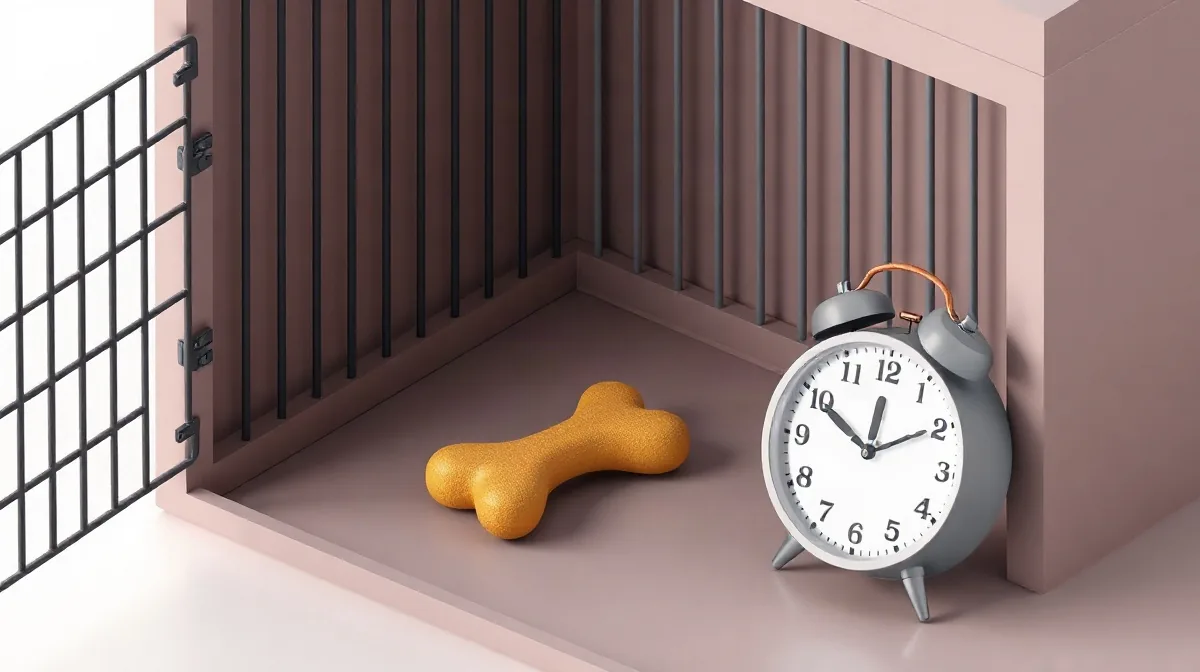
Crate training can complement desensitization by providing a secure, comfortable space that helps reduce anxiety during alone time. Selecting an appropriately sized crate—usually between 24 and 36 inches in length to allow standing and turning—is crucial for comfort and safety. Popular models like the MidWest iCrate range in price from $40 to $100 depending on size and features.
- Crate size: 24–36 inches in length for adult dogs
- Desensitization increments: 2–5 minutes initially, extended over 2–4 weeks
- Training session length: 10–15 minutes daily
How can environmental enrichment help dogs cope with alone time?
Environmental enrichment can significantly ease dogs’ distress during alone time by occupying their minds and senses, reducing boredom and anxiety. Using engaging toys and familiar comforting scents helps maintain their focus and calmness, promoting emotional stability and lowering stress hormone levels while their owners are away.
Interactive Toys
Puzzle feeders such as the Nina Ottosson Dog Tornado, priced between $25 and $35, provide mental stimulation that challenges dogs to solve problems, diverting attention from separation anxiety symptoms.
Comforting Scents
Background scents also play a crucial role in calming dogs during absences. Additionally, leaving a worn piece of the owner’s clothing in the dog’s resting area has been found to lower cortisol levels in some dogs, helping them feel reassured through familiar smells.
- Owner’s worn clothing: lowers cortisol, provides familiarity
When is it important to seek professional help instead of relying solely on non-medication methods?
When to Consult Experts
Consulting a certified behaviorist or veterinary specialist is advisable when anxiety symptoms significantly disrupt both the dog’s well-being and the household environment. For more severe or complex cases, veterinary behaviorists certified by the American College of Veterinary Behaviorists (ACVB) offer comprehensive assessments, with consultations averaging $250.
Signs of Severe Anxiety
- Destructive behavior leading to property damage exceeding $200 in repairs within 30 days
- Separation periods longer than four hours per day accompanied by persistent vocalization or self-injury lasting over six weeks
- Excessive barking or howling that does not improve despite consistent non-medication training
- Repeated attempts at escape or self-harming actions indicating high distress levels
What are common mistakes owners make when addressing separation anxiety without medication?
Rushing the Process
A common mistake owners make is leaving their dogs alone for longer periods too quickly, surpassing the gradual increments recommended to ease separation anxiety. The American Veterinary Society of Animal Behavior (AVSAB) 2026 guideline advises increasing alone time in 5-minute steps to prevent worsening anxiety symptoms. Skipping this gradual approach can cause heightened stress and prolonged distress in affected dogs.
Additionally, neglecting adequate physical exercise compounds anxiety issues. Dogs require at least 30 minutes of moderate activity daily—such as brisk walking or play—to help reduce cortisol levels and improve emotional resilience. Without this, anxiety symptoms often intensify regardless of other interventions.
Inconsistent Handling
Inconsistency in routines and the absence of calm departure cues are frequent contributors to confusion and increased stress in dogs with separation anxiety. According to the 2026 AVSAB guideline, owners should maintain predictable schedules and employ calm, deliberate signals before leaving to help dogs adjust emotionally.
Another critical error is the overuse of punishment-based methods like scolding, which elevate cortisol and damage the trust necessary for effective training. Instead of improving behavior, such techniques often exacerbate anxiety and undermine progress. Owners should avoid punitive responses and focus on positive reinforcement strategies to support their dogs’ emotional well-being.
- Follow 5-minute incremental increases in alone time (AVSAB 2026)
- Provide at least 30 minutes of moderate daily exercise
- Maintain consistent routines and calm departure signals (AVSAB 2026)
- Avoid punishment-based methods that increase cortisol and reduce trust
How much does a typical non-pharmaceutical treatment plan for separation anxiety cost?
Initial purchases like crates and interactive toys require a one-time investment ranging from $60 to $135, depending on brand and size, while ongoing monthly expenses for treats and pheromone refills generally fall between $20 and $50.
Equipment and Supplies
Essential items for managing separation anxiety include a properly sized crate and interactive toys that engage the dog during alone time.
Professional Support
Professional dog training sessions are a significant part of the overall cost and vary widely in price. Private trainers generally charge between $50 and $150 per hour. Many offer discounted packages for multiple sessions, which can help reduce expenses over a three-month treatment period. This professional guidance is often crucial for tailoring behavior modification strategies that address specific anxiety triggers.
Frequently asked questions
Can separation anxiety in dogs be fully resolved without medication?
How long does it usually take to see improvement using non-drug methods?
Are pheromone diffusers safe for all dogs?
What if my dog’s anxiety worsens despite these methods?
Key takeaways
- Gradual desensitization over weeks reduces anxiety triggers effectively.
- Interactive toys like Kong and puzzle feeders are key for mental stimulation.
- Professional help is necessary when destructive behaviors or self-harm persist.
- Avoid rushing training increments and inconsistent routines to prevent setbacks.
- Non-medication treatment costs vary but generally stay under $500 for several months.