
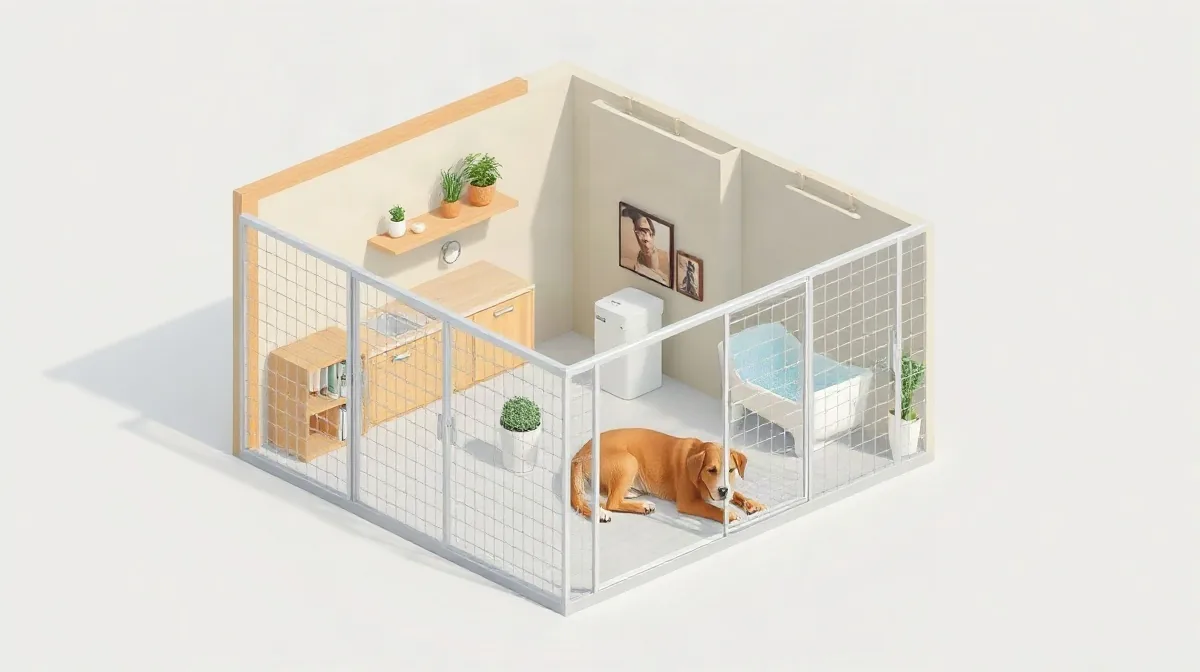
Choosing reliable dog boarding near you means finding a facility that prioritizes your pet’s health, safety, and comfort through clean environments, attentive staff, and clear communication. Ensuring these factors helps your dog feel secure and cared for while you are away.
When selecting dog boarding, it’s essential to look beyond convenience and price. A trustworthy boarding service maintains strict hygiene standards to prevent illness, provides individualized attention to meet your dog’s needs, and offers comfortable accommodations that reduce stress. This approach supports your dog’s well-being and peace of mind during their stay.
For a deeper understanding of maintaining your dog’s health and comfort in all situations, consider reading our comprehensive overview, Comprehensive Care and Health for Dogs: An Authoritative Guide. This article builds on that foundation by focusing specifically on how to choose the best boarding option for your furry friend near you.
| Feature | Basic Facility | Premium Facility | Ideal Standard |
|---|---|---|---|
| Daily Cost | $35–45 | $65–80 | $50–65 |
| Vaccination Requirement | Core vaccines within 12 months | Core + additional vaccines | Strict vet-verified vaccination records |
| Staff-to-Dog Ratio | 1:15 | 1:8 | 1:10 or better |
| Indoor Space per Dog | 2 m² | 4 m² | ≥3 m² with climate control |
| Veterinary Access | Off-call vet | On-call 24/7 vet | On-site or immediate emergency vet access |
- 3 square meters minimum indoor space per dog recommended in boarding kennels
- 1:10 maximum staff-to-dog ratio for adequate supervision
- 12 months validity period for core vaccinations before boarding
- $35–65 typical daily boarding cost range in urban areas
What vaccination and health requirements should a reliable dog boarding facility enforce?
Vaccination Policies
Reliable dog boarding facilities require core vaccinations to be current within the last 12 months to protect all animals in their care. These essential vaccines include rabies, distemper, and parvovirus, which guard against highly contagious and potentially fatal diseases. Compliance with standards set by the American Veterinary Medical Association (AVMA) helps ensure these policies meet recognized veterinary public health criteria.
Health Screening Procedures
- Negative fecal exam performed within 30 days before boarding to prevent transmission of parasitic infections such as roundworms or hookworms.
- Absence of contagious skin conditions like mange or ringworm at arrival to reduce outbreaks and maintain hygiene.
- Adherence to local veterinary public health laws, which often include additional health requirements based on regional disease risks.
These screening steps are critical because parasites and skin infections can spread rapidly in communal settings, risking the health of all boarded dogs. Facilities prioritizing these requirements contribute to a safer, healthier environment for pets and peace of mind for owners.
How much does professional dog boarding typically cost near urban areas in 2026?
Standard Pricing
Professional dog boarding near urban centers in 2026 typically costs between $35 and $65 per day, influenced by the facility’s location and included amenities. Most boarding services incorporate feeding, basic grooming, and daily health monitoring within this range, offering a comprehensive care package for pets during their stay.
Facilities situated in metropolitan areas with higher living costs tend to charge closer to the $65 daily rate, reflecting increased operational expenses. Conversely, boarding centers in suburban outskirts may offer rates nearer to $35. Discounts are commonly available for extended stays exceeding seven days, providing savings for pet owners planning longer absences.
Additional Service Fees
- Premium individualized care and extra exercise sessions can elevate daily costs to $80 or more, catering to dogs requiring special attention or higher activity levels.
- Specialized grooming beyond basic services and medical treatments, if needed, usually incur additional charges separate from the base boarding fee.
Owners seeking enhanced comfort or tailored care should anticipate these supplementary fees, which reflect the extra resources and staff time dedicated to their dogs’ well-being. Choosing a boarding service that transparently lists these costs ensures clear expectations and budget planning.
What qualifications and staff-to-dog ratios indicate a high standard of care?
Staff Credentials
High-quality dog boarding facilities employ staff with recognized certifications such as Certified Pet Care Technician (CPCT) or equivalent credentials, ensuring professional knowledge in pet care. These credentials indicate formal training in canine health, nutrition, and behavior management, which is essential for maintaining a safe environment. Additionally, staff should be trained in canine first aid techniques, including CPR and emergency response, to handle unexpected health issues promptly.
Supervision and Emergency Care
- A recommended maximum staff-to-dog ratio is 1:10, allowing adequate supervision and personalized attention to each dog’s needs.
- Facilities with on-site or on-call licensed veterinarians provide immediate professional intervention during emergencies, reducing risks associated with delayed treatment.
- Regular staff training in canine behavior management helps prevent and address stress or aggression, supporting a calm and secure environment.
Maintaining such ratios and veterinary support aligns with standards observed in reputable boarding kennels, enabling a balance between safety and comfort for every dog under care.
Which facility environment features support dogs’ comfort and reduce stress?
Physical Space Requirements
Dogs’ comfort and stress reduction in boarding facilities rely heavily on adequate space allocation, with at least 3 m² of indoor area per dog being essential. This spatial standard helps prevent overcrowding and allows dogs room to move freely, which is linked to lower anxiety levels in kennel environments. Separate indoor and outdoor areas are equally important, providing dogs with varied environments to explore and reducing confinement stress.
- Minimum indoor space: 3 m² per dog
- Separate outdoor play areas matching or exceeding indoor space
Environmental Controls
Boarding facilities should maintain a stable indoor climate with temperatures between 18°C and 24°C to ensure dogs remain comfortable and avoid heat or cold stress. Climate control systems such as HVAC units rated for pet care environments are ideal. Additionally, the use of EPA-approved non-toxic cleaning agents, like those registered under the Federal Insecticide, Fungicide, and Rodenticide Act (FIFRA), safeguards dogs from harmful chemical exposure. Providing each dog with individual bedding and access to toys helps minimize anxiety by creating a familiar and comforting space within the facility.
- Temperature range: 18°C to 24°C
- Cleaning agents: EPA-registered, non-toxic products
- Comfort items: Individual bedding and toys per dog
When might dog boarding not be suitable, and what common mistakes should owners avoid?
Health and Behavioral Limitations
Dog boarding is often unsuitable for pets recovering from recent surgery or those with severe chronic illnesses unless veterinary clearance is obtained. For example, dogs within 14 days post-operation generally require special care that typical kennels cannot provide. Additionally, dogs with contagious conditions or unstable behavior, such as severe anxiety or aggression, should be excluded to prevent health risks and stress for all animals involved.
Owners should also avoid boarding dogs weighing under 5 kg in facilities that lack climate control, as small breeds can be vulnerable to temperature fluctuations. Boarding places must accommodate specific medical needs like insulin administration for diabetic dogs, which some standard kennels do not offer.
Red Flags in Facility Selection
- Lack of written health and behavior policies: Facilities without clear documentation on vaccination requirements, illness protocols, and aggression management pose significant risks.
- No transparent emergency protocols or 24/7 contact: Boarding centers that do not provide emergency care procedures or round-the-clock contact information compromise pet safety during critical situations.
- Overcrowded kennels: Places housing more than 30 dogs in a 500 m² area typically have elevated noise and stress levels, negatively impacting animal welfare.
- Unclear pricing: Beware of facilities charging less than $20 per night without outlining included services, as this often reflects lower care standards.
Frequently asked questions
Can my dog continue its medication while boarding?
Are there special provisions for senior dogs in boarding facilities?
How can I verify a boarding facility’s cleanliness standards?
Is it necessary to visit the boarding facility before booking?
Key takeaways
- Confirm up-to-date vaccinations, including rabies and parvovirus
- Expect daily boarding rates between $35 and $65, higher for premium care
- Look for certified staff and a maximum 1:10 staff-to-dog ratio
- Choose facilities with climate control and 3 m² indoor space per dog
- Avoid kennels without clear health policies or emergency protocols