
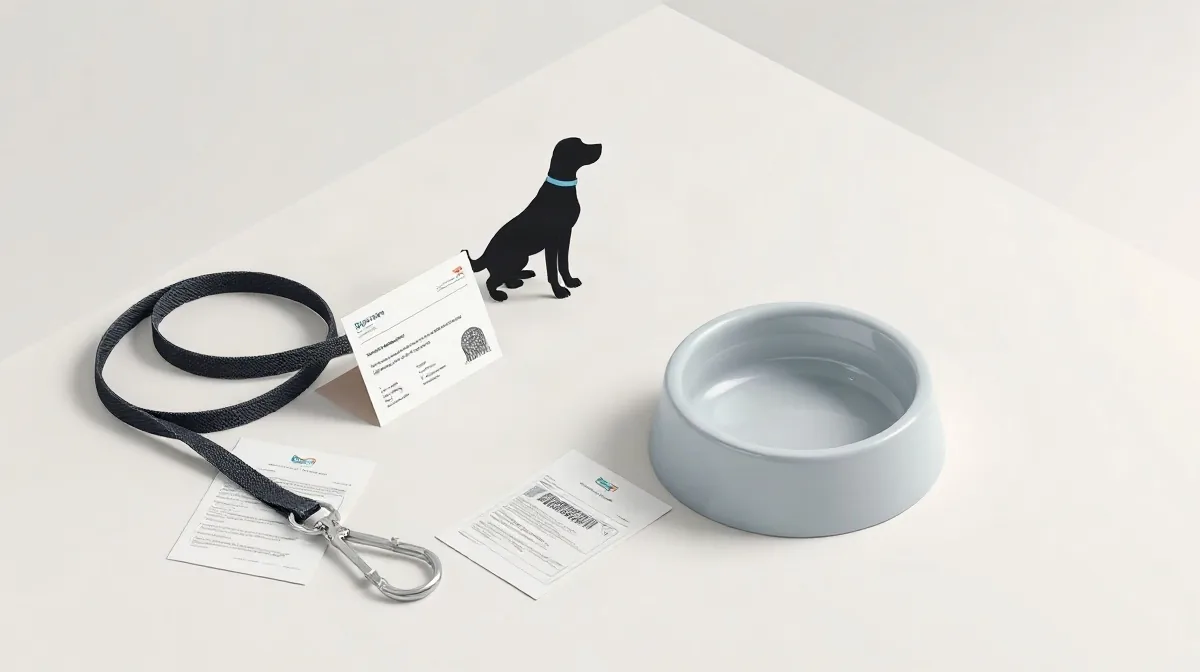
Buying a dog responsibly means choosing a healthy, well-matched puppy or adult from a trustworthy source, asking the right questions, and being ready for the long-term commitment of care. It also means avoiding impulse buys, because the right dog should fit your home, routine, and experience level.
Dogs for sale can be an exciting search, but the best decision starts with restraint, not speed. A responsible purchase looks beyond photos and price tags to health, temperament, living conditions, and the seller’s willingness to be transparent. That approach protects both the buyer and the dog, and it helps prevent the regret that can follow a rushed choice.
This guide explains how to buy responsibly, what to check before you commit, and how to spot warning signs early. For a wider look at choosing, caring for, and living with dogs, see our overview, «Dogs: A Practical Health & Care Guide to Breeds, Services, and Everyday Ownership».
| Source type | What to verify | Main risk |
|---|---|---|
| Breeder | Living conditions, health records, age | Rushed sale or missing documentation |
| Rescue or shelter | Intake notes, behavior history, veterinary care | Limited background if the dog arrived recently |
| Private seller | Reason for rehoming, vet paperwork, meeting location | Pressure tactics and unclear history |
- 1 first veterinary visit recommended soon after the dog comes home
- 3 core supply categories to budget for: crate, leash/collar/ID, food/bedding
- 10 minutes a practical minimum observation window for initial temperament checks
- 0 acceptable tolerance for missing vaccination or deworming records if you want a low-risk purchase
What should you check before paying for a dog?
Paperwork that should exist
Before paying for a dog, ask for written proof of vaccination and deworming, the puppy’s exact age, and the date of sale. Also request a clear health history that names any known conditions and any ongoing treatment, so you are not relying on memory or a verbal promise.
Check that the seller can show a veterinarian’s record, not just a casual statement that the dog “seems fine.” The paperwork should be specific enough to identify the animal in front of you and should match the dog’s age and treatment history.
Signs the dog matches the record
- Vaccination record: written dates and names of the shots, not a blank or incomplete note.
- Deworming record: a dated entry showing when treatment was given.
- Age and sale date: both written down so the puppy’s timeline is clear.
- Veterinary confirmation: paperwork that corresponds to the dog you are actually seeing.
If the seller cannot produce documents, treat that as a warning sign, not a minor omission. A responsible sale should be transparent enough that you can verify the dog’s basic medical history before money changes hands.
How do you judge temperament in a short meeting?
What to observe in 10 minutes
Judge temperament by how quickly the dog settles after a small surprise: a dropped object, a new person, or a different way of being touched. In a short meeting, look for curiosity, a brief startle with quick recovery, and relaxed body language rather than freezing, avoidance, or repeated barking.
- Recovery after a sound: the dog should look back, investigate, or return to normal within the same visit.
- Reaction to handling: a dog that accepts a gentle collar touch, paw check, or leash change without escalating is easier to trust.
- Response to mild stress: curiosity is a better sign than freezing, backing away, or barking over and over.
Why one interaction is not enough
A calm first impression is useful, but it is not proof of stable temperament. Ask to see the dog in at least two settings: near children, around other dogs, and with routine household noise such as a vacuum or doorbell. The same dog should show similar confidence and recovery each time, not only in one quiet moment.
Good temperament is the pattern, not the performance. If the dog stays composed after a change in handling and behaves predictably across more than one situation, that is stronger evidence than a single polite greeting. If possible, repeat the meeting on another day so you can compare the dog’s reaction twice, not once.
Which sources are more responsible than others?
The more responsible sources are the ones that let you see the dog’s living space, explain exactly where the dog came from, and never push you to decide the same day. A breeder, rescue, or rehoming source that answers basic questions calmly is usually safer than one that hides conditions, sells many breeds at once, or pressures you to pay immediately.
What to check before you commit
- Living conditions: You should be able to see where the dog lives and how it is kept, not just meet the dog at a handoff point.
- Source of the dog: Ask whether the dog comes from a planned litter, a shelter intake, or a rehoming situation.
- Sales behavior: Be wary of sellers with constant availability, multiple breeds, or a rush to take payment quickly.
- Decision time: A responsible source answers ordinary questions without demanding a same-day yes.
That extra transparency matters because it gives you a chance to judge health, cleanliness, and handling before money changes hands. If a source will not show you the environment, will not explain the dog’s background, or tries to close the deal in one visit, treat that as a warning sign rather than a convenience.
What red flags should make you walk away?
Pressure tactics
Walk away if a seller pushes you to pay immediately or insists on meeting in a parking lot instead of a proper home, clinic, or kennel setting. Those shortcuts are classic signs that you are being rushed past basic checks on the dog, the seller, and the place where the puppy has been living.
- Immediate payment demand before you have seen the dog, its mother, or any paperwork.
- Parking-lot handoff instead of a stable location where you can observe the dog calmly.
- No time for questions about the litter, previous living conditions, or why the dog is being sold.
Missing health proof
Walk away if there is no veterinary record, no clear age, or no evidence of vaccinations, treatment, or temperament screening. A seller who keeps saying the dog is “perfect” but cannot show a health history is asking you to trust a claim instead of facts.
Ask for a record that shows the dog’s age, vaccination status, and any treatment already given, then verify whether the mother and litter can be discussed openly. If the seller avoids those details or refuses to let you meet the dog in a calm, stable setting, the safest choice is not to buy.
When does buying not work as well as adoption or rescue?
Buying works less well than adoption or rescue when you need a dog whose adult temperament, health history, or daily habits are already easier to judge. An older rescue dog can be more transparent than a very young puppy, especially if the shelter has intake notes and the dog already lives with house rules. If the seller cannot explain records clearly, rescue is often the safer choice.
When rescue can be the better fit
A puppy may still be the right choice for some homes, but it usually demands constant supervision, training, and time for housebreaking. By contrast, a dog that already has basic house manners can suit a tight schedule and reduce the risk of surprises in the first few weeks. The key question is not whether the dog was bought or adopted, but whether its records and your routine match.
- Predictability: an adult dog with observed behavior is easier to assess than a 10-week-old puppy.
- Health history: documented intake notes are more useful than vague assurances from a seller.
- Time: a dog already comfortable with house training and alone time may fit a 9-to-5 schedule better than a puppy.
Buying is not automatically better than adoption. The responsible choice is the one that gives you enough information to meet the dog’s needs and enough time to manage care well.
How do you avoid costly mistakes after the purchase?
First-week costs
Avoid costly mistakes after buying a dog by reserving money for the first veterinary visit, which should happen within the first few days at home, and for the basic gear the dog needs immediately: a crate, leash, collar, ID tag, food, and bedding. If the dog is young or has little documented exposure to people, sounds, or other dogs, add a training and socialization budget right away rather than waiting for problems to appear.
- Vet visit: book it soon after arrival, ideally in the first week.
- Core supplies: buy the crate, leash, collar, ID tag, food, and bedding before the dog comes home.
- Training and socialization: start early for puppies and for dogs with limited background information.
Records to keep
Keep every sale document, receipt, and medical record together in one place so you can track what was promised, what was paid, and what care the dog has already received. A single folder, envelope, or digital file makes it easier to follow up on vaccinations, ask questions at the vet, and prove ownership details if they are ever needed.
That record set should stay complete from day one: sale paperwork, purchase receipts, and any vaccination or treatment notes. Keeping those documents organized helps you avoid duplicate expenses, missed appointments, and confusion about the dog’s history.
Frequently asked questions
What is the most important document to ask for?
Can I judge temperament from photos or a chat?
Is a cheaper dog always a better deal?
Should I buy from the first seller who responds quickly?
Key takeaways
- Paperwork matters: vaccination, deworming, and age should be documented.
- Temperament should be observed, not guessed from a listing.
- A responsible source answers questions and allows proper viewing.
- Missing records and payment pressure are major red flags.