
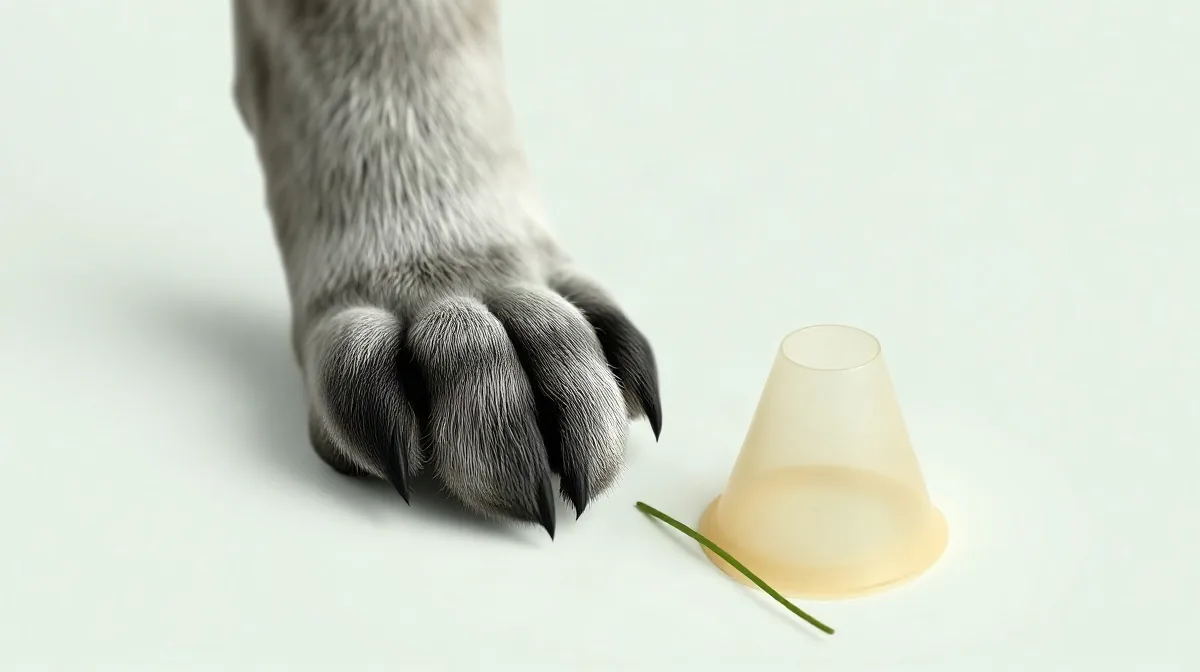
Dogs lick their paws to clean themselves, but repeated or intense licking can signal irritation, allergies, pain or stress. The cause may be minor, but persistent licking can damage the skin and deserves attention.
Notice whether your dog focuses on one paw or several, and look for redness, swelling, a wound, a limp or changes in the skin. These clues can help distinguish ordinary grooming from a problem that needs veterinary care. Here’s what may be behind paw licking—and which warning signs not to ignore.
| Pattern | Possible explanation | Practical response |
|---|---|---|
| Occasional, brief licking | Grooming or exploration | Monitor for changes |
| Repeated licking after outdoor time | Possible environmental irritation | Inspect paws and note the pattern |
| Persistent focus on one paw | Possible pain or injury | Check the paw and contact a veterinarian if it continues |
| Frequent licking that damages skin | Possible allergy, parasite, infection, or skin condition | Arrange veterinary assessment |
- 90 % Gundogs exercised at least once per day in the cited study.
- 81 % Terriers exercised at least once per day in the cited study.
- 74 % Toy-group dogs exercised at least once per day in the cited study.
Why do dogs lick their paws?
Dogs lick their paws to explore their surroundings, clean themselves, or soothe themselves, and a brief lick now and then can be ordinary grooming. The pattern matters: licking that becomes frequent or intense is different from a short bout after a dog has been outdoors or during routine self-cleaning.
Environmental allergies can irritate a dog’s paws. Pollen, grass, mold, and dust are possible triggers, so consider whether licking occurs after time outside or in places where these irritants may be present. A sudden focus on just one paw can point instead to pain or injury; check for a visible problem and contact a veterinarian if the licking persists or the paw appears hurt.
Notice when the licking happens
Anxiety or boredom may contribute to repeated paw licking. Note whether it tends to happen during quiet periods, when the dog has little to do, or when the dog seems unsettled; the timing can help distinguish a repetitive behavior from brief grooming. Persistent licking can damage the skin and may have an underlying cause, so seek veterinary advice if it continues or becomes severe.
How can you distinguish normal grooming from a problem?
Normal paw grooming is brief and occasional: your dog stops on its own, and the paw is not left irritated. Licking is more concerning when it is frequent, severe, keeps returning, or continues long enough to damage the skin.
Check whether your dog focuses on one paw or licks several, and note whether the behaviour recurs. One paw may draw attention when it is painful or injured; licking multiple paws can also occur with irritation affecting more than one area. The pattern is useful to describe when you seek veterinary advice.
Inspect the toes and the skin between them for redness, swelling, broken skin, or damp fur. Any of these signs, or licking that is itself causing harm, is a reason to contact a veterinarian rather than wait for the behaviour to settle; persistent licking can have causes such as infection, parasites, or a skin condition that need attention.
What can you safely check before calling a veterinarian?
Before calling a veterinarian, inspect your dog’s paw pads, the spaces between the toes, and the skin around each nail in good light, then note which paw or paws are being licked and when it happens. Look for an obvious cut, swelling, redness, or something caught between the toes; don’t probe a painful area or try to remove anything embedded.
Track the pattern: record when the licking began, whether it is getting worse, and whether it tends to follow time outdoors or a change in routine. Note possible contact with grass, pollen, mold, or dust, but treat these as clues rather than proof of an allergy; paw licking can also have other causes.
If the behaviour is persistent, severe, or causing damage to the skin, contact a veterinarian rather than relying on home inspection to identify the cause. Your notes about the affected paw, visible changes, outdoor exposure, and timing can help the veterinarian assess what is going on.
When can allergies, pain, parasites, or infection be involved?
Environmental allergies, paw injury or pain, parasites, infections, and chronic skin conditions can all be involved when a dog persistently licks its paws. Pollen, grass, mold, and dust are possible environmental triggers; irritation may focus a dog’s licking on its feet. A sudden, intense focus on one paw can also follow an injury or pain in that area.
Persistent licking can also accompany parasites, infection, or a chronic skin condition, so the licking itself does not identify the cause. Look at which paw or paws the dog targets and whether the licking is frequent or severe; licking that continues or causes harm warrants a closer examination. These clues can help describe the problem, but they are not a diagnosis.
Why a veterinary assessment matters
A veterinarian can examine the paw and help distinguish irritation, injury or pain, parasites, infection, and chronic skin problems before treatment is chosen. This matters because treating licking alone may leave the underlying cause unaddressed. Seek veterinary advice for persistent or severe licking, especially if the paw is being harmed.
How can daily routine affect paw licking?
A dog’s daily routine may influence paw licking when under-stimulation contributes to boredom, but exercise figures do not show that activity causes or cures licking. In a 2017 Journal of Nutritional Science study, 90 % of gundogs were exercised at least once per day, compared with 81 % of terriers. The same study reported that 74 % of toy-group dogs were exercised at least once per day.
Adjust activity without overlooking a sore paw
If boredom may be contributing, try more exercise, interactive play, or enrichment toys, tailoring the routine to your individual dog. These options can offer activity and stimulation, but the study’s percentages describe exercise patterns among dog groups—not a treatment for paw licking.
A more active routine is not a substitute for checking the paw or seeking veterinary care when licking persists. Look for soreness or signs of injury, and contact a veterinarian about persistent or excessive licking, which can have causes such as pain, irritation, infection, or skin problems.
When is home monitoring not enough?
Home monitoring is no longer enough when a dog’s paw licking is frequent or severe, causes visible damage, or continues instead of settling. A sore, broken patch of skin or persistent licking warrants a veterinary assessment rather than repeated attempts to manage the paw at home.
A veterinarian should assess the paw when pain, an injury, suspected infection, parasites, or a chronic skin problem could be involved. These causes need different responses, so licking alone cannot identify what is wrong; a veterinary examination can help determine what care is appropriate.
Use barriers carefully
An Elizabethan collar, soft recovery cone, or paw wrap may help prevent further licking during healing, but none identifies or treats the underlying cause. Use a recovery aid only when it suits the dog’s situation, and avoid repeatedly cleaning or covering an irritated paw without understanding what is irritating it. If licking persists or the skin worsens, seek veterinary advice rather than relying on a cone or wrap.
Common questions
Is it normal for dogs to lick their paws?
Does paw licking always mean my dog has allergies?
What should I check if my dog keeps licking one paw?
Can boredom cause paw licking?
Key takeaways
- Occasional paw licking can be normal grooming; frequent or severe licking is a warning sign.
- Pollen, grass, mold, and dust are possible environmental allergy triggers.
- Inspect the pads, toes, and nails, but use a veterinarian to investigate persistent licking or injury.
- Exercise figures from the 2017 Journal of Nutritional Science study are not evidence that exercise causes or cures paw licking.
References
- PetMD — “Why Do Dogs Lick and Chew Their Paws?”
- Jax n Daisy, Inc — “Dog Licking Paws? Causes, Signs & What to Do”
- Best Friends Animal Society — “Dog Licking Paws Obsessively”
- oakhurstvetcenter.com — “Stop Excessive Dog Paw Licking: Causes and Solutions”
- Allure Veterinary Partners — “Why Does My Dog Keep Licking Its Paws? Allergy Signs”