
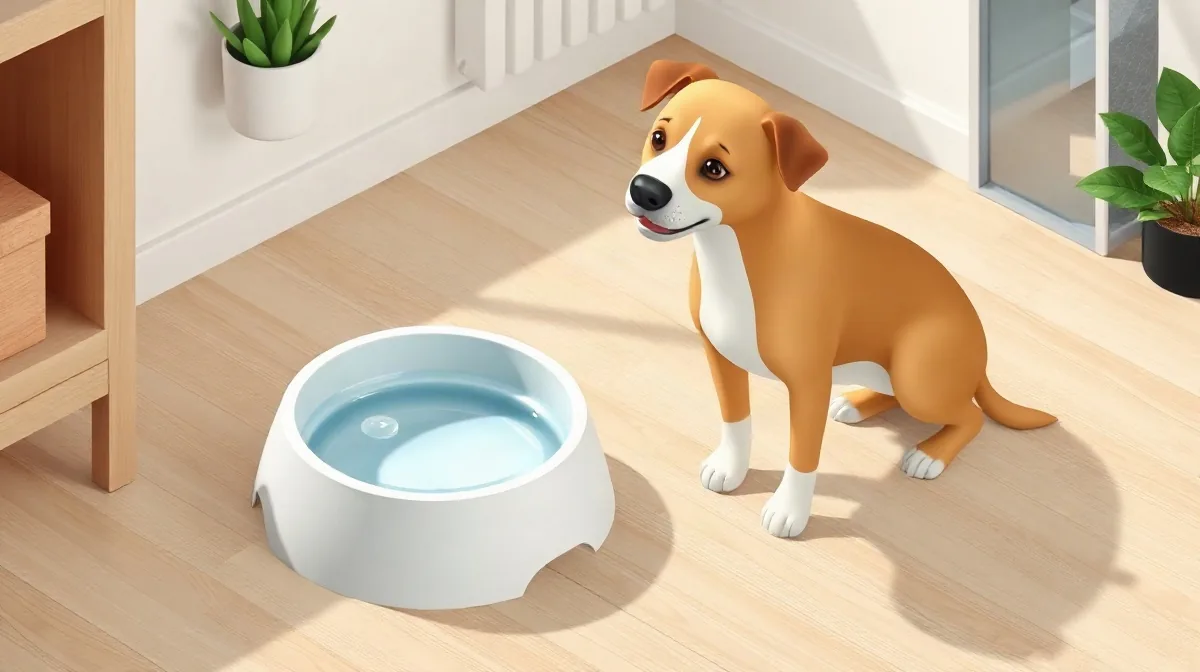
Proper hydration is essential for maintaining your dog’s vital health functions, including regulating body temperature, supporting digestion, and enabling nutrient transport. Without adequate water intake, these critical processes can falter, leading to serious health complications.
Dogs rely on hydration to keep their bodies functioning optimally every day. Water acts as a medium for countless biochemical reactions, cushions joints, and helps flush toxins from the body. Understanding how hydration supports your dog’s vital health functions is key to ensuring their well-being and longevity.
In this article, we explore the many ways water intake influences your dog’s overall health, the signs of dehydration to watch for, and practical tips to help keep your canine companion well-hydrated throughout the year. By recognizing the importance of hydration, you can take proactive steps to safeguard your dog’s vitality and happiness.
| Option | Water Content / Effectiveness | Typical Price Range | Best Use Case |
|---|---|---|---|
| Fresh Water Bowl | 100% water | $0 (standard household item) | Daily hydration baseline |
| PetSafe Drinkwell Platinum Fountain | Encourages 40% more drinking | $50-$70 | Dogs reluctant to drink from bowls |
| Wet Dog Food | 70-80% moisture | $2-$5 per can | Supplementing hydration and nutrition |
| Electrolyte Solutions (e.g., Pedialyte) | Restores electrolytes | $10 per liter | During illness or dehydration recovery |
- 50-60 ml/kg/day Typical daily water requirement for dogs
- 5% Body water loss threshold for mild dehydration
- $50-$70 Price range of PetSafe Drinkwell Platinum water fountain
- 70-80% Moisture content in wet dog food
How much water should a dog drink daily to stay healthy?
Daily water volume recommendations
Dogs generally require around 50 to 60 milliliters of water per kilogram of body weight each day to stay properly hydrated. For example, a 20-kilogram dog needs approximately 1 to 1.2 liters of water daily to support vital bodily functions such as temperature regulation and organ performance. The American Kennel Club highlights the importance of closely monitoring water intake, especially during hot weather or periods of increased physical activity, to prevent dehydration, which can quickly become dangerous for dogs.
Tools to promote hydration
Encouraging regular water consumption can be aided by using specialized products like commercial dog water fountains. The PetSafe Drinkwell Platinum, available for about $50 to $70, is designed to attract dogs to drink more by circulating and filtering water, thus keeping it fresh and appealing. Such devices can be particularly useful during summer months or for active dogs that may need reminders to drink enough. Regularly refilling and cleaning water bowls also helps maintain water quality and encourages consistent hydration.
- Daily water need: 50–60 ml per kg of dog’s body weight
- Example: 1 to 1.2 liters for a 20 kg dog
- Recommended product: PetSafe Drinkwell Platinum dog fountain, $50–$70
- Key monitoring periods: hot weather and increased activity
Why is hydration critical for a dog’s kidney and organ health?
Kidney function and hydration
Proper hydration is essential for a dog’s kidney health because water enables effective filtration of blood, helping to remove toxins and waste products. Without adequate water intake, dogs face a higher risk of kidney stones and urinary tract infections, which can impair kidney function. According to the National Kidney Foundation, chronic dehydration may contribute to renal failure in dogs over time, highlighting the importance of consistent fluid consumption to maintain kidney health.
Adequate hydration also supports stable blood pressure and electrolyte balance, which are crucial for heart and brain function. Maintaining these balances prevents strain on vital organs and helps sustain overall physiological stability in dogs.
Hydration in chronic kidney conditions
Dogs diagnosed with chronic kidney disease require carefully adjusted water intake to support their compromised kidney function. Prescription diets, such as Hill’s Prescription Diet k/d, are formulated to aid these dogs and typically cost around $60 for a 12 kg bag in 2026. These therapeutic diets often help manage electrolyte levels and reduce the kidneys’ workload.
- Hill’s Prescription Diet k/d – about $60 for a 12 kg bag (2026)
- Chronic dehydration linked to increased risk of renal failure – National Kidney Foundation
- Hydration supports stable blood pressure and electrolyte balance, vital for heart and brain health
How does proper hydration prevent common health issues in dogs?
Proper hydration prevents common health issues in dogs by maintaining essential bodily functions, avoiding dehydration-related symptoms, and reducing risks like heatstroke and organ damage. Ensuring dogs consume adequate fluids supports their overall vitality and helps them recover faster from illness or physical stress.
Symptoms and thresholds of dehydration
Dehydration in dogs often manifests as lethargy, dry gums, and reduced skin elasticity, with severe cases potentially leading to organ failure. According to the Merck Veterinary Manual, mild dehydration begins when a dog loses 5% of its body water, a threshold that requires immediate fluid replacement to prevent complications. Supplements such as electrolyte solutions like Pedialyte for dogs, which typically cost around $10 per liter, are effective in restoring hydration during illness or after intense activity.
Hydration’s role in heatstroke prevention
Regular hydration is crucial for reducing the risk of heatstroke, especially in breeds prone to overheating such as Bulldogs and Pugs. These dogs have less efficient cooling mechanisms, making consistent water intake vital during warm weather or exercise. Maintaining hydration helps regulate body temperature and supports kidney function, thereby preventing dangerous heat-related conditions.
- Mild dehydration threshold: 5% loss of body water (Merck Veterinary Manual)
- Electrolyte supplement example: Pedialyte for dogs, approximately $10 per liter
- Breeds at higher heatstroke risk: Bulldogs, Pugs
When might increased water intake not improve a dog’s health?
Signs of abnormal water intake
Increased water consumption does not always improve a dog’s health and can instead indicate serious underlying conditions like diabetes mellitus or Cushing’s disease. Veterinary guidelines advise seeking evaluation if a dog drinks more than 100 ml/kg per day, as this threshold exceeds normal hydration needs and may signal polydipsia caused by metabolic or endocrine disorders. For instance, a 20 kg dog drinking over 2 liters daily warrants prompt veterinary assessment to identify and manage potential diseases.
Risks of overhydration
Excessive water intake can lead to water intoxication, resulting in hyponatremia—a dangerous electrolyte imbalance that disrupts nerve and muscle function. Dogs with heart or kidney failure are particularly vulnerable and often require controlled fluid intake, as recommended by veterinarians, to avoid fluid overload. Managing hydration in these cases involves balancing intake with medical treatments to prevent complications such as edema or worsened organ function.
- Normal water intake threshold: 100 ml/kg/day
- Example: 20 kg dog drinking >2 liters/day signals concern
- Condition: Polydipsia linked to diabetes mellitus or Cushing’s disease
- Risk: Hyponatremia from water intoxication
- Special cases: Dogs with heart or kidney failure need veterinary-guided fluid control
How can dog owners monitor and encourage proper hydration?
Daily hydration monitoring
Dog owners can effectively monitor hydration by checking water bowls at least twice daily and observing their pet’s urine color as an indicator of fluid balance. Fresh water should be refilled a minimum of two times per day to ensure constant availability. Urine that appears pale straw yellow generally signals good hydration, whereas dark yellow urine can be a warning sign of dehydration, requiring prompt attention to water intake.
Encouraging water intake
Increasing a dog’s water consumption may involve using automatic water dispensers such as the Catit Flower Fountain, which the manufacturer claims can boost drinking by up to 40%. Additionally, feeding wet dog food, which contains about 70–80% moisture, supplements hydration effectively, especially for dogs reluctant to drink enough water from bowls. Both strategies contribute practical ways to maintain proper hydration levels.
- Refill water bowls at least twice daily
- Check for pale straw yellow urine to confirm hydration
- Use Catit Flower Fountain to increase water intake by up to 40%
- Offer wet food with 70–80% moisture content as a hydration supplement
Frequently asked questions
How can I tell if my dog is dehydrated?
Can giving my dog electrolyte solutions be harmful?
Is wet dog food enough for hydration?
What breeds need more attention to hydration?
Key takeaways
- Dogs need roughly 50-60 ml of water per kg of body weight daily.
- Hydration is vital for kidney function and toxin removal.
- Mild dehydration starts at 5% body water loss with clear clinical signs.
- Excessive water intake can indicate serious health problems.
- Wet food and water fountains can help improve hydration.
