
Updated: October 22, 2026
What does a typical day look like for a famous show dog?
A famous show dog’s daily routine is highly structured, balancing exercise, grooming, feeding, and training to maintain peak condition and show readiness. These dogs typically start their day between 6:00 and 7:00 AM, with a morning walk lasting 30 to 45 minutes to stimulate physical and mental activity. After exercise, grooming sessions lasting up to 90 minutes focus on coat maintenance, using products like the Chris Christensen Show Season Shampoo, popular for enhancing coat texture in breeds such as the Afghan Hound and Poodle.
Training sessions occur twice daily, each lasting 45 minutes to an hour, incorporating obedience, gaiting practice, and socialization exercises.
How is grooming prioritized in a show dog’s daily care?
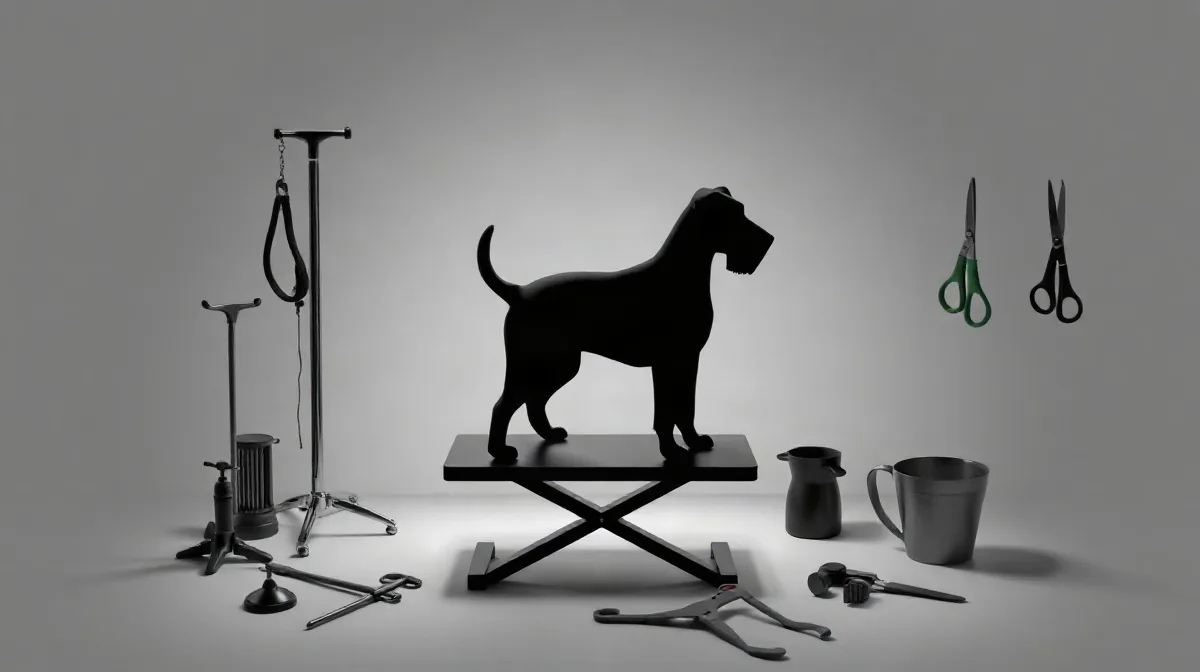
Grooming is a cornerstone of show dog maintenance, especially for breeds with long or dense coats. Grooming sessions can consume up to two hours daily, focusing on brushing, bathing, trimming, and nail care, essential for meeting breed standards at prestigious events like the Westminster Kennel Club Dog Show.
Grooming components and products
- Brushing: Using slicker brushes and combs to prevent matting and distribute natural oils.
- Bathing: High-end shampoos such as Chris Christensen Show Season Shampoo and conditioners keep coats lustrous.
- Nail trimming: Performed weekly with professional-grade clippers to prevent discomfort and injury.
- Ear cleaning: Using vet-recommended solutions to avoid infections.
Professional grooming can cost between $100 and $250 per session depending on the breed and coat complexity, with famous handlers often investing in specialized grooming tools from companies like Andis or Wahl.
What are the nutritional requirements for a show dog in training?
Nutrition in show dogs is closely monitored to support energy needs and coat health. Royal Canin and Hill’s Science Diet are favored brands among handlers for their breed-specific formulas.
Feeding is portion-controlled, with adult show dogs generally consuming 300 to 500 grams of kibble per day, split into two meals. Supplements such as fish oil capsules or glucosamine (at doses around 500 mg daily) are commonly added to support joint health and coat sheen.
How is training scheduled and what techniques are used?
Training a famous show dog involves consistent, focused sessions emphasizing obedience, gait, and posture. Typically, handlers conduct two daily sessions of 45 to 60 minutes, using positive reinforcement techniques such as clicker training and treats tailored to the dog’s preferences.
Training focus areas
- Obedience commands: Sit, stay, heel, and recall are reinforced daily.
- Gait practice: Dogs are trained to maintain a specific trot or pace, crucial for show ring presentations.
- Stacking: Teaching dogs to stand in a particular pose to highlight physical attributes.
- Socialization: Exposure to varied environments and distractions to maintain composure during competitions.
Training tools include clickers, target sticks, and custom lead collars, with costs for equipment ranging from $20 to $75 per item. Professional trainers may charge $50 to $150 per hour for specialized show training.
What challenges do handlers face in maintaining a show dog’s condition?
Handlers must navigate challenges such as managing the dog’s stress, preventing injuries, and ensuring consistent performance. Show dogs may experience stress from travel, loud environments, and unfamiliar handlers, requiring handlers to incorporate calming routines like massage or aromatherapy with lavender oil.
Injury prevention is critical, especially joint and paw health, with handlers using protective booties during travel and ensuring warm-up exercises before training. Veterinary check-ups are scheduled every 3 to 4 months to monitor health, with costs averaging $150 per visit.
| Activity | Time Spent (minutes) |
|---|---|
| Exercise | 30-45 |
| Grooming | 90-120 |
| Training | 90-120 (two sessions) |
| Feeding | 15 |
| Rest & Socialization | Variable |
Frequently asked questions
How often should a show dog be groomed?
What is the best type of food for a show dog?
How important is training for show dogs?
What are typical costs associated with care of a show dog?
Key takeaways
- A famous show dog’s day is structured around exercise, grooming, feeding, and training to maintain peak condition.
- Nutrition is precisely managed with high-quality, breed-specific diets and supplements.
- Training involves two daily sessions emphasizing obedience, gait, and socialization.
- Handlers face challenges like stress management, injury prevention, and consistent health monitoring.
Conclusion
The life of a famous show dog is a carefully balanced regimen demanding time, expertise, and financial investment to maintain the dog’s health, appearance, and performance. From multiple daily grooming sessions using specialized products to regimented training and diet tailored to breed needs, every element contributes to the dog’s success in the competitive arena. Understanding these details highlights the dedication behind the glamour of the show ring and the intricate care necessary to produce champions.