
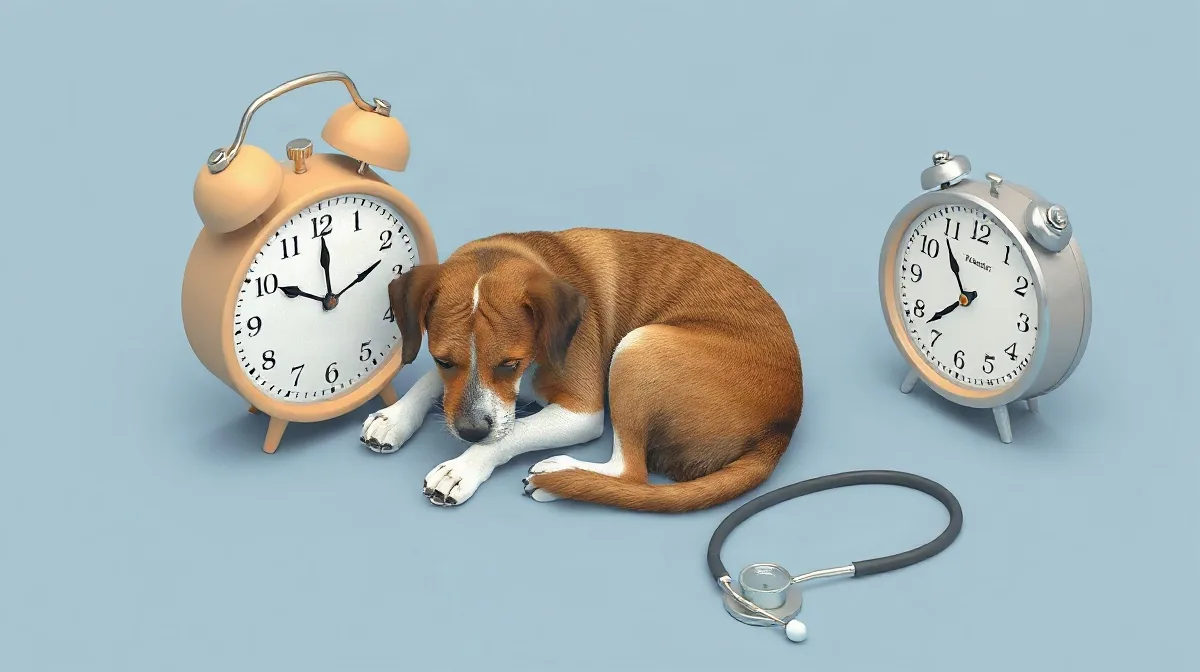
Canine anxiety manifests through behaviors like excessive barking, destructive chewing, pacing, and trembling, and if left unaddressed, it can contribute to long-term health issues such as weakened immune function, digestive problems, and chronic stress. Recognizing these symptoms early is crucial for ensuring a dog’s overall well-being and quality of life.
Understanding canine anxiety involves more than just noting a dog’s nervous behaviors; it requires awareness of how stress impacts their physical health over time. Anxiety in dogs can stem from various causes including separation, loud noises, or past trauma, and its effects can extend beyond immediate distress to influence their long-term health. This article delves into the signs of anxiety in dogs and explores the potential lasting consequences if the condition is not properly managed.
By gaining insight into the symptoms and health implications of canine anxiety, dog owners and caregivers can better support their pets through tailored care strategies and interventions. Such knowledge helps in fostering a safer, calmer environment that promotes both mental and physical health for dogs struggling with anxiety.
| Treatment Type | Typical Cost Range | Time to Effect | Effectiveness Notes |
|---|---|---|---|
| Behavioral Therapy | $100–$200 per session | Weeks to months | Effective in about 60% cases with consistent application |
| Medication (Fluoxetine) | $40/month | 6–8 weeks | Helps moderate to severe cases; requires vet supervision |
| Pressure Vests (ThunderShirt) | $50–$70 one-time | Immediate to days | Reduces acute anxiety episodes but not a standalone solution |
| Nutritional Supplements | $30–$70/month | Weeks | Variable benefits; best combined with other therapies |
- 20–30% Percentage of dogs displaying anxiety symptoms during their lifetime
- 80 nmol/L Elevated cortisol levels measured in anxious dogs
- $40 Approximate monthly cost of fluoxetine for canine anxiety
- 45% Rate of excessive barking among anxious dogs
- 50% Symptom reduction achieved through combined behavioral management
What are the common symptoms of anxiety in dogs?
Common symptoms of anxiety in dogs encompass both behavioral and physiological changes that can significantly affect their well-being. Around 20%–30% of dogs exhibit these signs at some point, with symptoms ranging from vocalization and destructive actions to physical distress indicators like panting or salivation without physical exertion.
Behavioral signs
Excessive barking is one of the most frequently observed behaviors, reported in 45% of anxious dogs in clinical studies. Dogs may also engage in destructive chewing, damaging household items as a coping mechanism. Frequent pacing is another behavioral symptom, seen in up to 35% of shelter dogs exhibiting anxiety. Attempts to escape or flee are common in stressed dogs, indicating a high level of discomfort and distress.
Physiological signs
Physiological manifestations include panting or salivating without exposure to heat or physical activity, a symptom documented by the American Veterinary Medical Association (AVMA) in 2024. These signs reflect the dog’s internal stress response and can accompany the more visible behavioral symptoms. Recognizing both behavioral and physiological indicators is essential for timely intervention and care.
- Prevalence of anxiety symptoms in dogs: 20%–30%
- Excessive barking in anxious dogs: 45%
- Pacing and escape attempts in shelter dogs: up to 35%
- Panting/salivation without exercise or heat: documented by AVMA (2024)
How does long-term anxiety impact a dog’s physical health?
Long-term anxiety in dogs leads to sustained elevation of cortisol, which adversely affects multiple bodily systems, causing physical health problems beyond behavioral symptoms. Chronic stress can push cortisol levels well above normal, disrupt sleep, and impair the immune and digestive functions essential for overall well-being.
Hormonal changes
In anxious dogs, cortisol—a key stress hormone—can exceed 80 nmol/L, compared to the typical canine range of 10 to 50 nmol/L, as recorded in studies at the University of Pennsylvania School of Veterinary Medicine in 2025. This persistent hormonal imbalance results in sleep disruption, reducing rest by 20 to 40%, which hampers recovery and growth processes in affected dogs.
Digestive and immune effects
Prolonged anxiety is linked to gastrointestinal issues in approximately 25% of dogs diagnosed with anxiety, according to a 2023 veterinary journal. Additionally, chronic stress suppresses the immune system, increasing vulnerability to infections. These repeated infections can drive up veterinary treatment expenses by an average of $200 to $500 annually, highlighting the tangible financial impact of unmanaged canine anxiety.
- Cortisol threshold in anxious dogs: >80 nmol/L (University of Pennsylvania Veterinary Medicine, 2025)
- Sleep reduction due to anxiety: 20–40%
- Gastrointestinal issues prevalence in anxious dogs: ~25% (2023 veterinary journal)
- Additional annual veterinary costs from infections: $200–$500
What mental health consequences can canine anxiety cause over time?
Canine anxiety can cause significant mental health consequences over time, including the development of secondary behavioral disorders, diminished social skills, and accelerated cognitive decline, particularly in senior dogs. These effects often compound, leading to complex emotional and neurological challenges.
Behavioral disorders
Dogs experiencing chronic anxiety frequently develop secondary behavioral issues such as aggression, which was observed in 15% of anxious dogs seen in behavior clinics in 2024. Untreated anxiety also impairs socialization skills, contributing to social withdrawal in 30–40% of affected dogs. These behavioral changes reduce a dog’s ability to interact normally with other dogs and humans, often escalating stress and complicating management strategies.
Cognitive and emotional effects
Long-term anxiety can trigger learned helplessness or depression-like states, as documented in studies conducted by the Humane Society Veterinary Medical Association. Additionally, cognitive dysfunction tends to worsen more rapidly in senior dogs suffering from persistent anxiety, exacerbating mental decline. This decline may affect memory, problem-solving, and responsiveness, thereby reducing quality of life and increasing care needs.
- Aggression incidence: 15% of anxious dogs (behavior clinic data, 2024)
- Social withdrawal rate: 30–40% in untreated anxiety cases
- Documented emotional effects: learned helplessness and depression-like symptoms (Humane Society Veterinary Medical Association studies)
- Accelerated cognitive dysfunction particularly in senior dogs
How can anxiety in dogs be effectively diagnosed and monitored?
Diagnostic tools
Effectively diagnosing anxiety in dogs relies on combining behavioral assessments with physiological measurements to capture both subjective and objective information. Owner-completed questionnaires like the Canine Behavioral Assessment and Research Questionnaire (C-BARQ) provide standardized insight into a dog’s anxiety symptoms and triggers. Veterinary neuroendocrine tests that measure metabolites of cortisol and adrenaline offer biochemical evidence of stress, with costs typically ranging from $150 to $300 depending on the clinic and region. These hormone assays help distinguish anxiety from other conditions by quantifying stress responses.
Monitoring techniques
Long-term monitoring of canine anxiety employs methods that capture fluctuating or episodic behaviors and track treatment efficacy over time. Video recordings taken at home over several days enable observation of subtle or intermittent anxiety episodes that may be missed during clinic visits; this approach is widely recommended by veterinary behaviorists. Regular follow-up appointments every 3 to 6 months are standard practice to reassess symptoms and adjust interventions as needed, ensuring that progress is objectively evaluated and management plans remain effective.
- Behavioral assessment: Canine Behavioral Assessment and Research Questionnaire (C-BARQ)
- Neuroendocrine testing: cortisol and adrenaline metabolite assays, $150–$300
- Home video monitoring: multiple days recommended for capturing episodic anxiety
- Follow-up intervals: every 3 to 6 months to track treatment progress
When do common anxiety treatments fail or become less effective?
Treatment limitations
Common anxiety treatments for dogs often fail or lose effectiveness when underlying medical conditions remain unaddressed or when medications do not produce timely results. Behavioral modification alone fails in about 40% of cases if physical health issues contributing to anxiety are overlooked. Medications like fluoxetine (Prozac), which cost around $40 for a month’s supply, typically require 6 to 8 weeks to show noticeable effects and may not be effective for all dogs, leaving some without adequate relief during this period.
Common pitfalls
Overreliance on calming supplements such as CBD oils can lead to inconsistent outcomes, as these products, costing between $30 and $70 per month, lack standardized regulation and proven efficacy. Additionally, failure to maintain consistent training routines or provide ongoing environmental enrichment often results in relapse within three months for many dogs, underscoring the necessity of sustained and comprehensive care strategies.
- Behavioral modification failure rate: approximately 40%
- Fluoxetine (Prozac) monthly cost: about $40
- Medication onset time: 6–8 weeks
- CBD oil monthly cost range: $30–$70
- Relapse timeframe without consistent care: within 3 months
What are the most effective strategies to manage canine anxiety long term?
Integrated behavioral management
Long-term management of canine anxiety is most effective when combining environmental enrichment with consistent positive reinforcement training, which can reduce anxiety-related behaviors by up to 50%, as demonstrated in a 2025 clinical trial. Regular professional behavior therapy is also crucial, with sessions typically costing between $100 and $200 per hour and recommended at least monthly during the early stages of treatment to monitor progress and adjust strategies.
- Environmental enrichment with toys, puzzles, and social interaction
- Positive reinforcement training focusing on reward-based methods
- Monthly behavior therapy sessions costing $100–$200 per hour
- Clinical trial evidence showing up to 50% reduction in anxiety behaviors (2025)
Supportive products and therapies
Supplementing behavioral strategies with supportive products can further improve outcomes. Pressure vests like the ThunderShirt, priced around $50–$70, help reduce acute anxiety episodes by applying gentle, calming pressure. Nutritional supplements containing ingredients such as L-theanine and omega-3 fatty acids have shown benefits in controlled studies by promoting relaxation and cognitive health, making them a valuable addition to a comprehensive anxiety management plan.
- ThunderShirt pressure vest, $50–$70, for acute anxiety relief
- Supplements including L-theanine and omega-3 fatty acids
- Controlled studies supporting supplement efficacy
Frequently asked questions
How quickly can anxiety symptoms develop in dogs?
Are certain breeds more prone to anxiety?
Can anxiety cause physical illness in dogs?
Is medication always necessary for treating canine anxiety?
How can owners help prevent anxiety in their dogs?
Key takeaways
- Anxiety affects up to 30% of dogs during their lives
- Long-term anxiety elevates cortisol above 80 nmol/L in affected dogs
- Behavior changes include excessive barking and escape attempts
- Medication like fluoxetine costs about $40 monthly and requires weeks to act
- Integrated behavioral therapy offers up to 50% symptom reduction
