
Updated: October 22, 2026
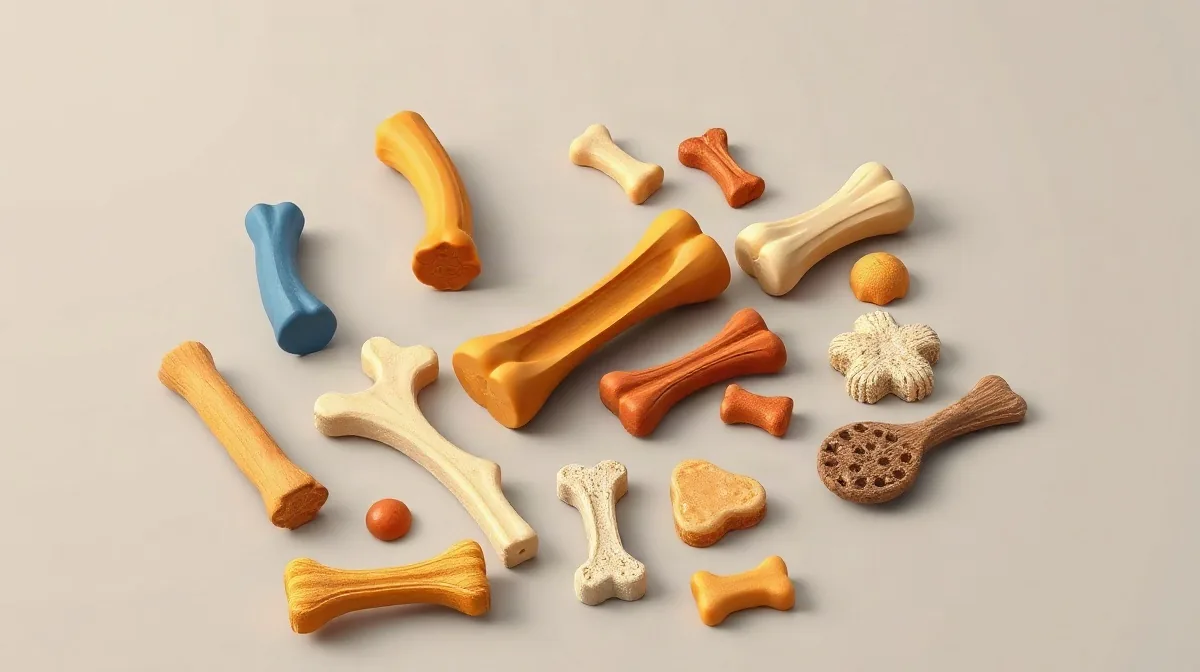
Rawhide chews have long been a common choice for dog owners aiming to support their pet’s dental health. However, accumulating evidence and veterinary advisories now highlight significant safety concerns such as choking, gastrointestinal blockages, and exposure to harmful chemicals during manufacturing. These risks have driven many caregivers to seek safer, effective alternatives that promote oral hygiene without compromising health. Options like bully sticks, specialized dental rubber toys, and veterinarian-formulated edible chews offer proven benefits while reducing common hazards associated with traditional rawhide.
What Are the Main Risks of Rawhide Chews for Dogs?
Rawhide chews, made from the inner layer of cow or horse hides, pose multiple risks for canine health. Their tough, dense texture can fragment into large, sharp pieces that dogs may choke on or swallow whole, leading to esophageal or intestinal obstructions. A 2022 retrospective study published by the American Animal Hospital Association found that between 3% and 5% of emergency veterinary visits for dogs involve complications directly related to rawhide ingestion, including choking and blockages requiring endoscopic or surgical removal.
In addition to mechanical risks, rawhide processing often involves chemical treatments such as bleach, hydrogen peroxide, and formaldehyde to sanitize and soften the material. Residual chemicals have been linked to gastrointestinal irritation and allergic reactions in sensitive dogs, according to the American Veterinary Medical Association (AVMA). Moreover, rawhide chews tend to contain high caloric content—approximately 300 to 400 kcal per average-sized piece—which can contribute to weight gain if given frequently without accounting for dietary intake.
Key Safety Concerns
- Choking risk from large, hard fragments that can lodge in the throat
- Chemical residues from bleaching and preservation agents causing gastrointestinal upset
Which Chew Alternatives Provide Effective Dental Cleaning Without Rawhide?
A variety of rawhide-free dental chews have gained popularity among veterinarians and pet owners for their combination of safety and efficacy. Bully sticks, made from 100% beef pizzle, digest more readily and present a lower risk of splintering. These chews last from 1 to 3 days for an average 20 kg dog.
Dental rubber toys such as those produced by Kong and Nylabone utilize durable, non-toxic materials that provide mechanical abrasion to help reduce plaque. Kong’s Dental Stick, for example, retails for $12 to $20 and can last several weeks to months depending on chewing intensity. These toys also stimulate saliva flow, which naturally aids in oral cleansing.
These are designed for single-use and suitable for dogs weighing over 10 pounds.
Popular Rawhide Alternatives
- Bully Sticks (Best Bully Sticks, Redbarn) – natural, fully digestible beef muscle chews
- Kong Dental Rubber Toys – durable, non-toxic toys that mechanically clean teeth
- Greenies Dental Chews – enzymatic, veterinarian-recommended edible chews (FDA-approved)
- Himalayan Yak Chews – long-lasting, low-fat hard chews made from yak milk
How Do Bully Sticks Compare to Rawhide in Nutritional and Safety Profiles?
This nutrient profile benefits dogs prone to obesity or pancreatitis by limiting unnecessary calories and fats.
Safety-wise, bully sticks naturally soften and are more digestible, reducing the risk of gastrointestinal obstruction. The 2023 American Veterinary Dental College guidelines emphasize that while bully sticks are safer than rawhide, owners must still supervise chewing sessions to prevent ingestion of large pieces that could cause choking or blockages. Matching the bully stick size to the dog’s breed and jaw strength is critical; for example, a 6-inch bully stick is suitable for small to medium breeds, while larger breeds may require longer, thicker sticks.
Bully Stick Safety Tips
- Select bully sticks sized appropriately: e.g., 6″ for small breeds under 10 kg, 12″ for large breeds over 25 kg
- Always supervise dogs during chewing to intervene if large fragments break off
- Discard chews once reduced to a size smaller than the dog’s mouth to prevent swallowing whole
- Purchase from reputable suppliers like Best Bully Sticks or Redbarn with transparent sourcing and quality controls
When Is It Best to Use Dental Toys Versus Edible Chews?
Dental rubber toys are ideal for dogs that enjoy extended chewing sessions without calorie intake. Products like Kong’s Dental Stick can be filled with dog-safe toothpaste or treats, enhancing engagement while mechanically disrupting plaque buildup. These toys also stimulate saliva, which helps neutralize oral bacteria. For active chewers, such toys can last from a few weeks to several months, providing cost-effective, calorie-free dental care.
Conversely, edible dental chews such as Greenies or Himalayan Yak chews offer enzymatic or abrasive benefits but are consumed quickly, contributing additional calories—typically 30 to 45 kcal per chew. These are appropriate for moderate chewers or as a supplement to daily brushing routines. Dogs with sensitive digestive systems or allergies may better tolerate dental toys, which do not introduce new dietary proteins or additives.
Choosing Between Toys and Edible Chews
- Dental Toys: Durable, calorie-free, promote prolonged chewing and saliva flow
- Edible Chews: Single-use, enzymatic or abrasive plaque control, calorie-containing
- Consider your dog’s chewing vigor, dietary restrictions, and oral health needs when selecting
What Are the Cost Considerations for Safer Dental Chew Alternatives?
Costs vary based on product type, size, and brand.
Pet owners should weigh these costs against safety, durability, and oral health benefits, aligning choices with their dog’s chewing style and health requirements.
Frequently Asked Questions
Are bully sticks completely safe for all dogs?
Can dental rubber toys replace daily tooth brushing?
How often should I replace dental chew toys?
Are edible dental chews suitable for puppies?
Key Takeaways
- Rawhide chews carry risks including choking, digestive obstruction, and chemical exposure.
- Bully sticks and dental rubber toys provide safer, effective alternatives with nutritional and mechanical benefits.
- Select chew size and type based on your dog’s breed, chewing strength, and health status.
- Supervise all chewing sessions to prevent accidents and monitor chew condition regularly.
- Balance cost, longevity, and dental efficacy when choosing the best product for your dog.
In summary, transitioning away from rawhide chews towards safer alternatives such as bully sticks, veterinary-approved dental rubber toys, and enzymatic edible chews can significantly reduce health risks while effectively supporting canine oral hygiene. Evaluating your dog’s individual chewing habits, dietary needs, and health considerations—alongside careful supervision—ensures optimal safety and dental care well into 2026 and beyond.