
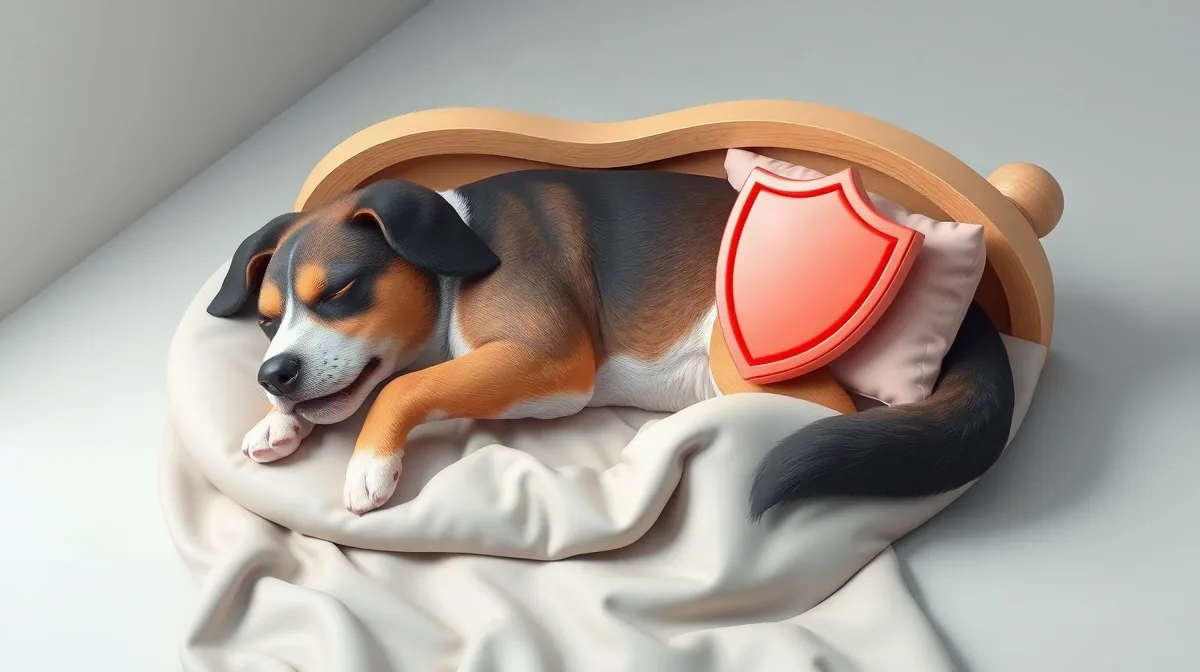
Sleep plays a crucial role in supporting your dog’s immune health by allowing the body to repair, regenerate, and strengthen its defenses against illness. During quality rest, key immune functions are activated, helping your dog stay resilient to infections and recover more quickly when sick.
Understanding how sleep supports your dog’s immune health is essential for every pet owner who wants to promote long-term wellbeing. Just like in humans, a lack of restful sleep in dogs can weaken immune responses, making them more vulnerable to diseases. This article explores the connection between sleep stages and immune function in dogs, highlighting why ensuring your furry friend gets enough restorative rest is vital.
From the natural sleep patterns of dogs to practical tips for improving their sleep quality, we’ll dive into the science behind how sleep strengthens your dog’s immune system. By learning these insights, you can help your dog maintain optimal health and vitality throughout their life.
| Product | Price Range | Features | Ideal Use Case |
|---|---|---|---|
| FitBark 2 | $100 | Tracks sleep duration and activity levels | General home monitoring |
| PetPace | $200 | Monitors vital signs plus sleep stages | Detecting health issues in at-risk dogs |
| Polysomnography (vet clinics) | Variable, typically $300-$600 | Detailed sleep and brain activity analysis | Diagnosing complex sleep disorders |
| Standard video cameras | $50-$150 | Visual monitoring of restlessness | Behavioral sleep pattern observation |
- 12-14 hours Recommended daily sleep duration for adult dogs
- 25% Reduction in white blood cell counts due to sleep deprivation
- $100 Approximate cost of the FitBark 2 dog activity and sleep tracker
- 1-3 mg Typical melatonin dosage for medium-sized dogs
- $400 Price of the Big Barker 7-inch orthopedic dog bed
How does sleep affect a dog’s immune function?
Immune mechanisms during sleep
Sleep directly enhances a dog’s immune function by promoting the release of cytokines, which are essential proteins that regulate immune responses. During deep sleep phases, dogs produce these cytokines to help coordinate the body’s defense against pathogens. A 2023 veterinary immunology study confirmed that this cytokine release is crucial for maintaining immune system balance and efficiency. Conversely, sleep deprivation can cause a significant drop in immune cells; white blood cell counts may decrease by up to 25%, increasing a dog’s vulnerability to infections and illnesses.
Recommended sleep duration
Maintaining optimal immune health in dogs requires sufficient daily rest, specifically between 12 and 14 hours of sleep. The American Kennel Club guidelines emphasize this range as vital for immune system support and overall well-being. Furthermore, research from the University of Pennsylvania School of Veterinary Medicine highlights that adequate sleep accelerates recovery times from illnesses in dogs, underscoring its role in healing and immune resilience.
- Dogs need 12 to 14 hours of sleep daily for optimal immune function (American Kennel Club guidelines).
- Sleep deprivation can reduce white blood cell counts by up to 25%, weakening immune defenses.
- Deep sleep triggers cytokine release, key to regulating immune responses (2023 veterinary immunology study).
- Sufficient sleep supports faster recovery from illness (University of Pennsylvania School of Veterinary Medicine).
What are signs that my dog is not getting quality sleep?
Behavioral signs
Frequent waking or restlessness during sleep and excessive daytime lethargy or irritability are key behavioral indicators that a dog is not getting quality sleep. Veterinary behaviorists recommend video monitoring a dog’s sleep over 3-5 nights to detect frequent interruptions or restless movements. A 2024 study published in the Journal of Veterinary Behavior linked excessive daytime tiredness and mood changes in dogs to disrupted sleep patterns. Additionally, breeds prone to sleep apnea, such as Bulldogs and Boxers, may exhibit loud snoring and gasping during sleep, signaling a need for veterinary evaluation to rule out respiratory issues affecting sleep quality.
Technological tools
Activity trackers designed for dogs, such as the FitBark 2, priced around $100, provide objective data on sleep duration and fragmentation. These devices help owners monitor sleep cycles and identify abnormalities that might not be obvious through observation alone. Using such technology, alongside behavioral assessments, allows for a comprehensive view of a dog’s sleep health and facilitates early intervention if poor sleep is detected.
- Video monitoring: recommended over 3-5 nights for sleep quality assessment
- FitBark 2: dog activity tracker costing approximately $100
- Behavioral signs: excessive daytime lethargy and irritability linked to disrupted sleep (2024 study)
- Sleep apnea in Bulldogs and Boxers: loud snoring and gasping during sleep
How can I improve my dog’s sleep to support their immunity?
Environmental adjustments
Improving your dog’s sleep to support their immune system begins with creating a quiet, dark, and comfortable sleeping environment that minimizes disturbances. A premium orthopedic dog bed, such as the Big Barker 7-inch model, is designed to provide superior joint support and enhance sleep quality; it typically costs around $400. Reducing noise and light in the sleeping area helps maintain uninterrupted rest, which is crucial for optimal immune function.
Routine and supplements
Establishing a consistent bedtime routine helps align your dog’s sleep with their natural circadian rhythms, a practice recommended by the American Veterinary Medical Association (AVMA). Additionally, avoiding vigorous exercise or feeding within three hours before bedtime can reduce nighttime restlessness, as supported by studies from Colorado State University Veterinary Teaching Hospital. For dogs experiencing insomnia, melatonin supplements—dosed carefully under veterinary guidance, usually between 1 to 3 mg for medium-sized dogs—may improve sleep quality and thereby support immune health.
- Big Barker 7-inch orthopedic bed: approximately $400
- Feeding/exercise cutoff: at least 3 hours before bedtime
- Melatonin dosage: 1–3 mg for medium dogs, veterinary supervised
- Recommended by: American Veterinary Medical Association (AVMA)
When might improving sleep not fully protect my dog’s immune health?
Health conditions
Improving sleep alone may not fully protect your dog’s immune health if underlying chronic illnesses are present. Conditions such as canine diabetes and Cushing’s syndrome can impair immune function independently of sleep quality. These diseases disrupt hormone balance and metabolism, which weakens immune responses regardless of how well your dog sleeps. Regular veterinary screening for these disorders is essential to address immune health comprehensively.
Age and weight considerations
Older dogs, particularly those above 8 years of age, experience natural changes in sleep architecture that reduce some immune benefits despite maintaining good sleep hygiene. Additionally, excessive sleep combined with low activity levels can contribute to obesity, which further compromises immunity. The World Small Animal Veterinary Association recommends maintaining a healthy body fat percentage between 10-15% for optimal immune function in dogs. Managing weight through appropriate diet and regular exercise remains crucial alongside sleep improvements.
- Dogs over 8 years: altered sleep patterns reduce immune support
- Body fat target: 10-15% as advised by the World Small Animal Veterinary Association
- Obesity risk: linked to immune dysfunction, exacerbated by inactivity and excessive sleep
What role do veterinarians and technology play in diagnosing sleep-related immune issues?
Diagnostic tools
Veterinarians and technology play a crucial role in identifying sleep-related immune issues in dogs by combining advanced diagnostic techniques with continuous monitoring devices. Polysomnography studies at the University of California, Davis, conducted since the early 2020s, provide comprehensive sleep and immune system assessments, enabling precise evaluation of sleep architecture linked to immune function. Additionally, wearable monitors like the PetPace device, priced around $200, track vital signs and sleep stages in real time, offering early detection of conditions that could impair immunity.
Veterinary care
Veterinarians recommend annual health check-ups for dogs over 7 years old that include detailed sleep and behavioral evaluations to preempt declines in immune health. Moreover, telemedicine platforms now facilitate remote consultations, expanding access to specialized sleep-related care regardless of location. This combination of in-person and virtual veterinary care enhances early intervention strategies, improving outcomes for dogs with potential immune challenges tied to sleep disturbances.
- Polysomnography studies at University of California, Davis, initiated in the 2020s
- PetPace wearable monitor costs approximately $200
- Annual veterinary check-ups recommended for dogs older than 7 years
- Telemedicine platforms offer remote sleep consultations
Frequently asked questions
How many hours of sleep does a typical adult dog need to support immunity?
Can poor sleep increase my dog’s risk of infections?
Are there specific breeds more prone to sleep issues affecting immunity?
Is melatonin safe for improving my dog’s sleep?
How can I monitor my dog’s sleep quality at home?
Key takeaways
- Dogs need 12-14 hours of quality sleep daily for strong immunity
- Sleep deprivation can reduce canine white blood cells by 25%
- FitBark 2 and PetPace devices help monitor dog sleep effectively
- Orthopedic beds like Big Barker improve sleep comfort and health
- Sleep improvements may not fully offset immune risks from chronic illness
