
Updated: October 22, 2026
What is canine hip dysplasia and how does it affect dogs?
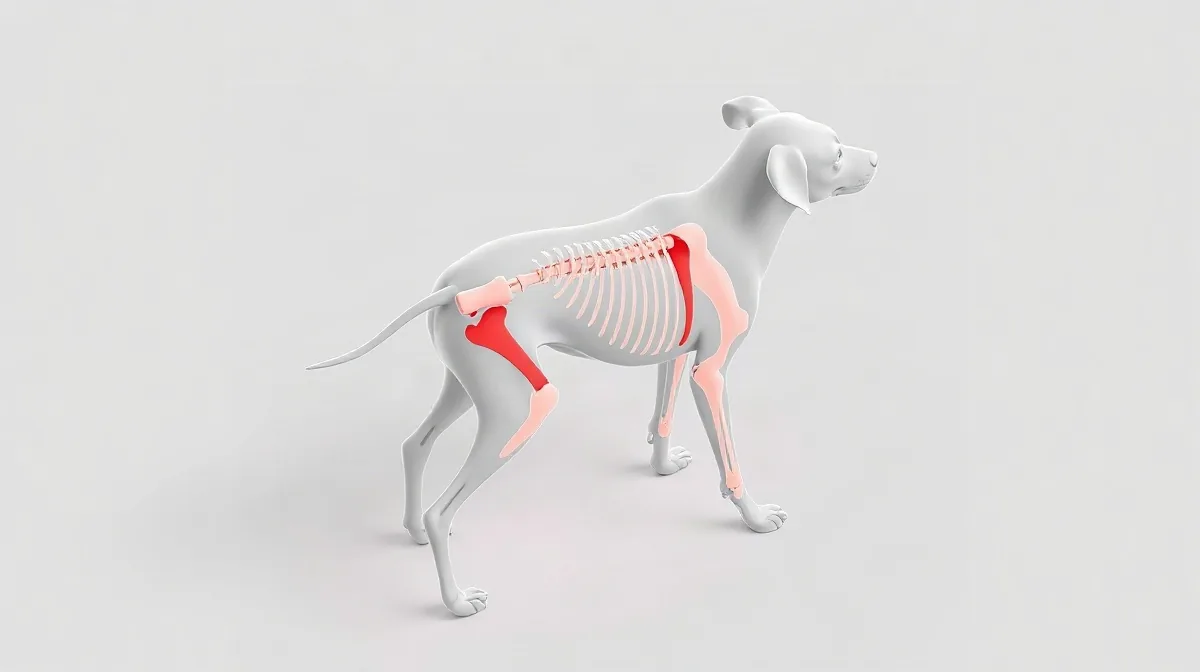
Canine hip dysplasia is a genetic condition where a dog’s hip joint develops abnormally, leading to joint laxity, pain, and eventual arthritis. This abnormal formation prevents the ball and socket joint from fitting snugly, causing discomfort and impaired mobility. It primarily affects medium to large breeds but can appear in any dog. The earliest symptoms typically emerge between four months and one year of age, although many dogs do not show clear signs until middle age or later.
The American College of Veterinary Surgeons notes that hip dysplasia can severely reduce a dog’s quality of life, causing chronic pain and difficulty performing normal activities like walking or jumping.
What are the early symptoms and how can owners recognize them?
Recognizing hip dysplasia early is critical to managing the condition. Common early signs include a swaying or limping gait, especially after exercise, and a distinctive “bunny hopping” motion when running. Dogs may also show reluctance to rise, jump, or climb stairs. Muscle wasting in the hind limbs can become apparent as the disease progresses.
According to the Veterinary Medical Teaching Hospital at Texas A&M University, owners often notice that affected puppies become less active and may yelp or show signs of pain after physical activity.
Key early symptoms include:
- Limping or favoring one hind leg
- Swaying or wobbly gait
- “Bunny hopping” when running
- Difficulty rising or reluctance to jump
- Muscle loss in hind limbs
What causes canine hip dysplasia and which dogs are at risk?
Hip dysplasia is primarily inherited, meaning it is passed down genetically from one or both parents. Rapid growth during puppyhood and excessive weight can exacerbate the condition. Large and giant breeds such as German Shepherds, Labrador Retrievers, and Golden Retrievers have a higher incidence compared to smaller breeds.
Risk factors for hip dysplasia:
- Genetic predisposition from parents
- Large or giant breed size
- Rapid growth rates in puppies
- Excessive early exercise or trauma
- Obesity or poor diet
How is hip dysplasia diagnosed in dogs?
Diagnosis usually involves a combination of clinical examination and imaging. Veterinarians assess the dog’s gait, pain response, and range of motion before recommending X-rays to confirm abnormal hip joint development. Radiographic screening is the gold standard, typically performed under sedation for accuracy.
The Orthopedic Foundation for Animals (OFA) provides a hip grading system based on radiographs taken after the dog reaches 24 months. The grades range from excellent to severe dysplasia, guiding treatment decisions.
What treatment options are available for canine hip dysplasia?
Treatment depends on the severity of the condition and the dog’s age. Conservative management includes weight control, pain relief through NSAIDs like carprofen, physical therapy, and joint supplements such as glucosamine and chondroitin. These measures aim to reduce inflammation and improve mobility.
Common treatments and their features:
- Weight management to reduce joint stress
- NSAIDs for pain and inflammation control
- Physical therapy including hydrotherapy
- Joint supplements for cartilage support
- Orthopedic surgery for advanced cases
How can quality of life be improved for dogs with hip dysplasia?
Maintaining an optimal quality of life involves a multifaceted approach combining medical treatment, lifestyle changes, and regular veterinary monitoring. Controlled exercise such as swimming can strengthen muscles without overloading joints. Providing orthopedic bedding and ramps can reduce strain during movement.
According to veterinary rehabilitation specialists, consistent therapy and weight management can extend an affected dog’s active years by several months to years, depending on disease severity.
Frequently asked questions
Can hip dysplasia be prevented in puppies?
Is hip dysplasia painful for dogs?
What is the difference between conservative and surgical treatment?
How long do dogs live with hip dysplasia?
Key takeaways
- Canine hip dysplasia is a common genetic disorder causing abnormal hip joint development.
- Early symptoms include limping, a swaying gait, and difficulty rising, often appearing by 4-12 months.
- Diagnosis relies on physical exams and X-rays, with the OFA grading system standard after 24 months.
- Quality of life improves with controlled exercise, therapy, and veterinary care.
Conclusion
Understanding canine hip dysplasia is essential for early recognition and effective management. Prompt veterinary diagnosis and a tailored treatment plan can significantly reduce pain and improve mobility, allowing affected dogs to enjoy a better quality of life. Owners of predisposed breeds should prioritize screening and proactive care to mitigate this common yet serious condition.
Sources
- animalkingdomvet.net — “Canine Hip Dysplasia: Causes & Treatment Options”
- pdsa.org.uk — “Hip dysplasia in dogs – PDSA”
- Yankee Hill Veterinary Hospital — “What is Hip Dysplasia in Dogs?”
- medcovet.com — “Recognizing the Signs of Hip Dysplasia in Dogs: A Guide for Owners”
- vetmed.tamu.edu — “Canine Hip Dysplasia – Veterinary Medical Teaching Hospital”