
Updated: October 22, 2026
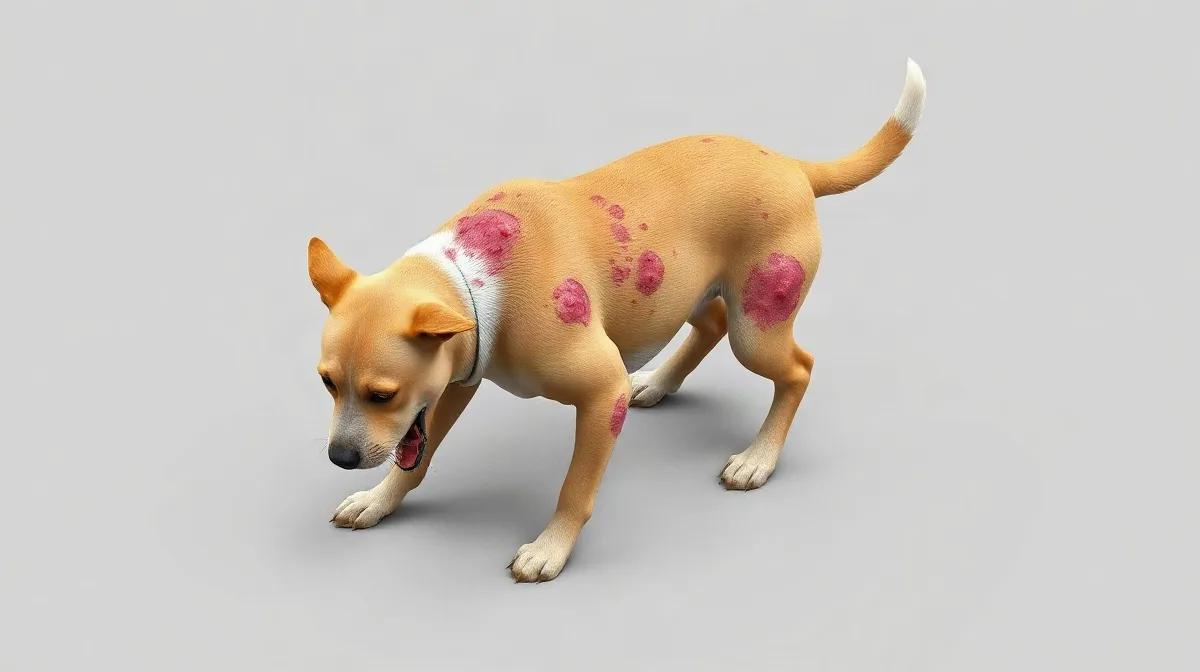
Common allergies in dogs often include reactions to certain foods, environmental factors like pollen or dust mites, and flea bites, which can cause symptoms such as itching, redness, and digestive upset. Spotting these signs early is crucial to managing your dog’s comfort and preventing more serious health issues.
Recognizing allergies in dogs can be challenging because symptoms may mimic other conditions or develop gradually. Understanding the typical triggers and early warning signs helps pet owners intervene promptly, ensuring their dog’s well-being. This article explores common allergies in dogs and provides guidance on how to identify them before they escalate.
With allergic reactions becoming increasingly frequent in pets, being informed about these sensitivities is essential for any dog owner. From skin irritations to digestive problems, early detection allows for timely treatment and improved quality of life for your furry companion.
| Allergy Type | Typical Triggers | Primary Symptoms | Recommended Action |
|---|---|---|---|
| Food Allergy | Beef, chicken, dairy proteins | Itching, gastrointestinal upset | Elimination diet under vet guidance |
| Environmental Allergy | Pollen, dust mites, mold | Skin redness, paw licking | Antihistamines, allergy testing |
| Flea Allergy Dermatitis | Flea saliva | Severe itching, hot spots | Flea prevention collars and treatments |
What are the most common types of allergies in dogs?
Food Allergies
Food allergies in dogs are commonly triggered by specific protein sources such as beef, chicken, or dairy products, affecting an estimated 10% of allergic dogs. These allergies often cause symptoms like itching, chronic ear infections, and gastrointestinal upset. Veterinary dermatologists frequently recommend elimination diets using hydrolyzed protein formulas, such as Hill’s Prescription Diet z/d, which typically costs between $60 and $90 for a 12-pound bag. Diagnosing food allergies can take several weeks of dietary trials to confirm the offending ingredient.
Environmental Allergies
Environmental allergies arise from airborne substances like pollen, dust mites, or mold spores, contributing to seasonal or year-round skin irritation in dogs. These allergens trigger immune responses that manifest as redness, itching, and secondary infections. Common airborne allergens include ragweed pollen, which peaks between August and October, and house dust mites, which thrive in indoor humidity levels above 50%. Managing environmental allergies often involves regular use of medicated shampoos such as Virbac’s Allermyl, priced around $30 per 250 ml bottle, along with allergen avoidance strategies.
Flea Allergy Dermatitis
Flea allergy dermatitis is a hypersensitivity reaction to flea saliva and represents one of the most frequent causes of allergic skin disease in dogs worldwide. Even a single flea bite can cause severe itching and inflammation in sensitive dogs. Effective flea control products like NexGard, a monthly chewable treatment, cost approximately $45 for a three-dose pack and are essential for prevention. Prompt flea management is critical, as infestations can escalate rapidly within days, worsening allergic symptoms.
What symptoms indicate a dog might have an allergy?
Skin Symptoms
Dogs with allergies often exhibit persistent itching and scratching, particularly around the paws and face, as an early and clear sign. This itching can lead to redness and inflammation, especially on the belly and ears, which are common hotspots for allergic reactions. According to veterinary dermatology guidelines, skin redness affecting more than 20% of the body surface area in dogs is a significant indicator of an allergic response. Products like the Virbac Epi-Soothe Shampoo, priced around $25 for a 250ml bottle in 2026, are frequently recommended to soothe inflamed skin and reduce irritation. Monitoring these skin symptoms closely for more than 7 days without improvement should prompt a veterinary consultation.
Digestive Symptoms
In cases of food allergies, gastrointestinal symptoms such as vomiting or diarrhea may appear alongside skin issues or independently. Dogs experiencing food allergies may vomit multiple times within 24 hours or have diarrhea lasting longer than 48 hours, signaling an adverse reaction to specific dietary components. Early identification is critical to managing these symptoms, with hypoallergenic diets like Hill’s Prescription Diet z/d, costing between $60 and $80 per 12kg bag in 2026, often prescribed to pinpoint and eliminate offending ingredients. Careful observation of these digestive changes within the first week of diet introduction can facilitate timely diagnosis and treatment.
- Persistent itching located mainly on paws and face
- Vomiting episodes occurring multiple times within 24 hours
- Diarrhea lasting beyond 48 hours
- Use of Virbac Epi-Soothe Shampoo ($25/250ml) for skin relief
- Prescription hypoallergenic diets like Hill’s z/d ($60–$80/12kg)
How can dog owners detect allergies early?
Behavioral Monitoring
Dog owners can detect allergies early by closely observing repeated scratching or licking behaviors that persist beyond 14 days, signaling possible irritation. Persistent episodes lasting more than two weeks warrant attention, as they may indicate allergic reactions rather than normal grooming or seasonal shedding cycles.
Tracking the frequency and duration of these episodes is essential. For example, if a dog scratches intensely for more than 30 minutes daily over a 14-day period, this may suggest allergy-related discomfort. Monitoring after walks or flea exposure is particularly important since environmental allergens and flea bites commonly trigger reactions.
Physical Examination
Regularly checking for visible signs such as skin redness, inflammation, or localized hair loss can help identify allergies early. These symptoms often appear on areas exposed during walks, like paws or belly, or near flea-prone zones such as the tail base. Owners should inspect these areas at least twice weekly to catch early changes.
- Repeated scratching episodes lasting over 14 days
- Skin redness or hair loss, especially post-walk or flea exposure
- Digestive upset within hours of new or common protein ingestion
- Inspection frequency: at least twice per week for skin signs
When should a dog owner seek veterinary advice for allergies?
Urgent Signs
Chronic Symptoms
- Itching leading to open sores or infections within 3–5 days
- Gastrointestinal symptoms persisting beyond 48 hours
- Worsening symptoms despite flea preventatives such as Frontline Plus or NexGard
What are common mistakes in managing dog allergies at home?
Treatment Errors
Symptom Overlook
Ignoring subtle early signs of allergies, such as mild paw licking or frequent sniffing, often leads to delayed diagnosis and treatment. Pet owners frequently dismiss these behaviors as normal or temporary, yet they can indicate the onset of allergic reactions. Monitoring for these subtle symptoms over a period of days is essential, as early detection improves outcomes. Key indicators to watch include:
- Repeated sniffing or rubbing of the nose lasting beyond a week
Recognizing these early signs allows timely veterinary consultation and prevents progression to severe itching or skin infections, which can require costly treatments upwards of several hundred dollars.
Frequently asked questions
Can a dog develop allergies at any age?
How effective are flea collars in preventing flea allergies?
Are food allergy tests reliable for dogs?
Can allergies cause behavioral changes in dogs?
Key takeaways
- Food, environmental, and flea allergies are the most common in dogs
- Persistent itching and skin redness are key early symptoms
- Early vet consultation helps prevent complications like infections
- Proper flea control is essential for managing flea allergy dermatitis
- Elimination diets provide the most reliable food allergy diagnosis
Sources
- merriam-webster.com — “Definition of COMMON”
- Vocabulary.com — “Common – Definition, Meaning & Synonyms”
- dictionary.cambridge.org — “COMMON | definition in the Cambridge English Dictionary”