
Breeds

Understanding Canine Dental Health: Prevention and Care

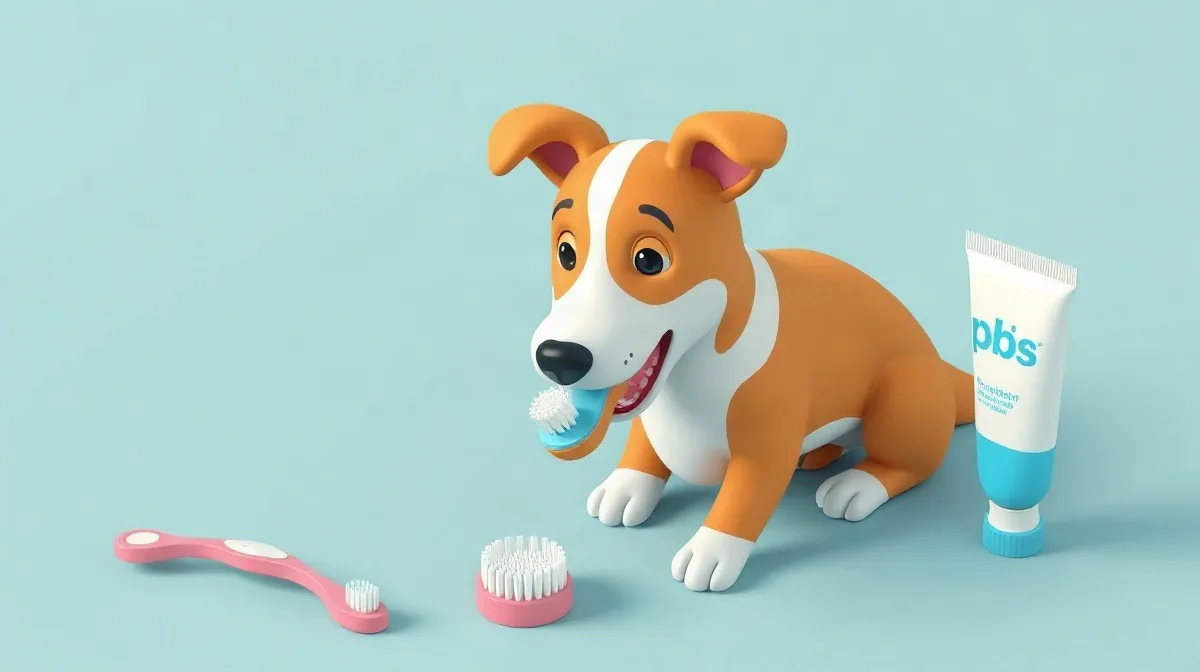
Hero illustration for the article “Understanding Canine Dental Health: Prevention and Care”

Maintaining good canine dental health requires regular brushing, proper diet, and routine veterinary check-ups to prevent plaque buildup and dental disease. Effective prevention and care reduce the risk of pain, tooth loss, and systemic health problems in dogs.

Dental health is often overlooked in canine care, yet it plays a crucial role in a dog’s overall well-being. Understanding canine dental health means recognizing the signs of oral issues early and implementing consistent hygiene practices that keep teeth and gums healthy throughout a dog’s life.

This article explores the essential aspects of prevention and care for your dog’s teeth, offering practical guidance to help owners protect their pets from common dental problems. From daily brushing techniques to dietary considerations and professional cleanings, a comprehensive approach ensures your dog’s smile stays strong and healthy.

Comparison of Canine Dental Care Methods
Method Effectiveness Typical Cost Limitations
Daily Brushing Reduces plaque by 50% in 30 days $15–$25 for toothpaste and brush Requires training and daily commitment
Dental Chews Helps reduce tartar mechanically $20–$30 per 60-count bag Not a substitute for brushing
Professional Cleaning Removes plaque and tartar under anesthesia $300–$1,200 per session Requires anesthesia and vet visit
No Care Leads to 80% risk of dental disease Potentially high vet bills Causes pain and systemic health issues
  • 80% dogs over 3 years affected by dental disease
  • $300–$1,200 cost range for professional dental cleaning per dog
  • 50% plaque reduction with daily brushing in 30 days
  • 70% dogs with dental disease exhibiting bad breath

Why is oral hygiene important for dogs’ overall health?

Maintaining oral hygiene is essential for dogs because dental disease affects over 80% of dogs older than three years, leading to serious health complications beyond the mouth. Poor dental care allows bacteria to enter the bloodstream, increasing the risk of heart, liver, and kidney problems, as noted by the American Veterinary Dental College in 2026.

Health risks of poor dental care

Untreated periodontal disease in dogs can cause painful inflammation and tooth loss, but its impact goes deeper by enabling harmful bacteria to spread through the bloodstream. This systemic infection can contribute to life-threatening conditions such as endocarditis (heart inflammation), liver damage, and kidney disease. Early dental care helps prevent these complications, preserving both oral health and overall well-being.

Economic impact of dental disease

The financial burden of addressing advanced dental disease in dogs is significant, with veterinary procedures ranging from $300 to $1,200 per treatment according to the 2026 Pet Care Cost Survey. Preventive measures like regular tooth brushing with canine toothpaste and periodic professional cleanings can reduce the need for costly interventions.

  • Prevalence: Over 80% of dogs older than three years show dental disease (AVDC, 2026)
  • Cost range: $300–$1,200 per dental procedure (2026 Pet Care Cost Survey)
  • Health risks: Heart, liver, and kidney problems from bacterial spread (AVDC, 2026)

What are the common signs that a dog has dental problems?

Common signs that a dog has dental problems include bad breath, visible tartar buildup, and changes in eating behavior or signs of oral discomfort. About 70% of dogs with dental disease exhibit halitosis, making it one of the most frequent and noticeable symptoms, according to the American Animal Hospital Association in 2026.

Visual and behavioral indicators

Visible tartar appears as yellow or brown crusts on the teeth, particularly on molars and canine teeth, signaling plaque accumulation that can lead to further dental issues. Dogs may also show reluctance to eat hard food or chew toys, or they might paw at their mouth, indicating pain or sensitivity. These behavioral changes often suggest discomfort caused by inflamed gums or tooth decay.

When to consult a veterinarian

  • Persistent bad breath lasting more than two weeks despite regular brushing
  • Visible tartar buildup covering more than 25% of the tooth surface
  • Refusal to eat hard kibble or chew toys for more than three days
  • Frequent pawing or rubbing at the mouth over a week

If any of these signs are observed, it is crucial to seek veterinary care promptly to prevent progression to periodontal disease, which affects a majority of dogs over age three without treatment.

How can daily care routines prevent dental disease in dogs?

Daily care routines can significantly prevent dental disease in dogs by reducing plaque buildup and maintaining oral hygiene through consistent brushing, appropriate dental chews, and regular professional cleanings. For instance, daily brushing with a dog-specific toothbrush and enzymatic toothpaste like Virbac C.E.T. Enzymatic Toothpaste has been shown to reduce plaque by up to 50% within 30 days.

Brushing techniques and products

Brushing your dog’s teeth daily is the most effective way to prevent dental disease. Using a toothbrush designed for dogs along with enzymatic toothpaste—formulated to break down plaque safely—helps maintain cleaner teeth and healthier gums. Virbac C.E.T. Enzymatic Toothpaste, a widely recommended product, can cut plaque accumulation by half in just one month. Proper brushing technique involves gentle circular motions and covering all tooth surfaces, focusing especially on the back molars where tartar tends to accumulate.

Chews and professional care

Complementing brushing with dental chews also contributes to oral health by mechanically reducing tartar. Greenies Dental Treats, costing around $25 for a 60-count bag, are popular for their effectiveness in tartar control. Additionally, professional dental cleanings performed annually are crucial for maintaining oral health in adult dogs, as veterinarians can remove hardened tartar and check for underlying issues that daily home care cannot address.

  • Virbac C.E.T. Enzymatic Toothpaste reduces plaque by up to 50% in 30 days
  • Greenies Dental Treats cost approximately $25 per 60-count bag
  • Professional dental cleanings recommended every 12 months for adult dogs

What are the limitations and common mistakes in canine dental care?

Common limitations and mistakes in canine dental care include using harmful human dental products, neglecting early dental hygiene in puppies, and underestimating the time needed to train dogs to tolerate brushing. These errors can lead to toxic exposure, missed prevention windows, and ineffective daily care routines.

Toxic products to avoid

Human toothpaste often contains fluoride and xylitol, substances toxic to dogs even in small amounts. Xylitol, an artificial sweetener found in many brands, can cause dangerous drops in blood sugar and liver failure in dogs. For example, Crest toothpaste, a widely sold brand, contains fluoride and xylitol and should never be used on dogs. Instead, veterinary-approved products like Virbac C.E.T. Enzymatic Toothpaste, priced around $15 for a 70g tube, are safe alternatives specially formulated for canine use.

Training challenges and timing

Starting dental care before a puppy reaches six months is vital to prevent early plaque buildup and gum disease. Skipping this period misses critical prevention opportunities, as teeth are still developing. Additionally, many dogs resist brushing initially, requiring gradual acclimation over three to six weeks. Consistent, gentle training with positive reinforcement helps establish a daily brushing routine. Using tools such as the Petrodex Finger Toothbrush, costing about $8, can ease the process by mimicking a dog’s natural grooming sensation.

  • Avoid fluoride and xylitol-containing human toothpaste
  • Begin dental care before 6 months of age for puppies
  • Allow 3–6 weeks of gradual training for brushing tolerance
  • Use veterinary-approved toothpaste like Virbac C.E.T. ($15 per tube)
  • Employ dog-specific brushes such as Petrodex Finger Toothbrush ($8 each)

How much does professional dental care for dogs typically cost?

Professional dental care for dogs typically costs between $300 and $1,200 for routine cleaning under anesthesia, with the final price influenced by factors like location and the size of the dog. Additional treatments such as tooth extractions can increase costs by $100 to $500 per tooth.

Cost factors

The price of canine dental care varies widely depending on several key factors:

  • Geographic location: Urban areas or regions with higher veterinary service rates tend to charge towards the upper end of the $300–$1,200 range.
  • Size and breed of dog: Larger dogs often require longer procedures and more anesthesia, which can raise costs.
  • Extent of dental disease: Simple cleanings are less expensive, but additional procedures like tooth extractions or periodontal treatment can add $100 to $500 per tooth.
  • Veterinary facility: Specialty clinics and hospitals may charge more than general practices.

Insurance coverage

Some pet insurance plans include dental care coverage, which can significantly offset costs. Policies that cover dental treatments may pay up to 80% of expenses, depending on the provider and plan details. Pet owners should verify whether dental procedures such as cleanings and extractions are included to maximize potential savings.

Frequently asked questions

Can I use human toothpaste to brush my dog’s teeth?
No, human toothpaste contains fluoride and xylitol which are toxic to dogs. Use toothpaste formulated for dogs like Virbac C.E.T. Enzymatic Toothpaste.
How often should I brush my dog’s teeth?
Daily brushing is ideal, but brushing at least three times a week significantly reduces plaque buildup.
Is chewing dental treats enough to prevent dental disease?
Dental treats help reduce tartar but cannot replace brushing or professional cleanings.
At what age should I start dental care for my puppy?
Begin dental care routines at 3 to 4 months old, once puppy teeth have fully emerged.

Key takeaways

  • Over 80% of adult dogs have dental disease requiring care
  • Daily brushing with dog-specific toothpaste reduces plaque by 50%
  • Professional cleanings cost $300–$1,200 annually
  • Human toothpaste is toxic to dogs and must be avoided
  • Dental chews complement but do not replace brushing