
If you are looking at dogs for sale, the right choice is not just the right breed or price; it is a healthy dog with a clear background and a fit that matches your home, routine, and experience. The best purchase is one that balances health, temperament, and practical compatibility from the start.
That means looking beyond first impressions and asking how the dog has been raised, what care it has received, and whether its energy level, size, and needs suit the life you can realistically provide. A thoughtful search for dogs for sale should focus on the whole dog, not just the listing.
This article is a starting point for that decision, and it connects naturally with our broader overview, «Dogs: A Practical Guide to Health, Care, Training, and Everyday Ownership», where the bigger picture of responsible dog ownership is explored in more detail.
| Criterion | What to verify | Why it matters |
|---|---|---|
| Health | Vaccination and exam records | Shows whether care was consistent |
| Temperament | Reaction to handling and strangers | Helps predict life in your home |
| Seller | Living conditions and written agreement | Separates careful sellers from risky ones |
| Fit | Size, energy, grooming, and budget | Prevents a mismatch after purchase |
- 1 written record set minimum documentation bundle to request before purchase
- 3 core checks health, temperament, and seller practices
- 2 people ideal number to attend a viewing so one person can compare impressions
What health records should you ask for first?
Paper trail to verify
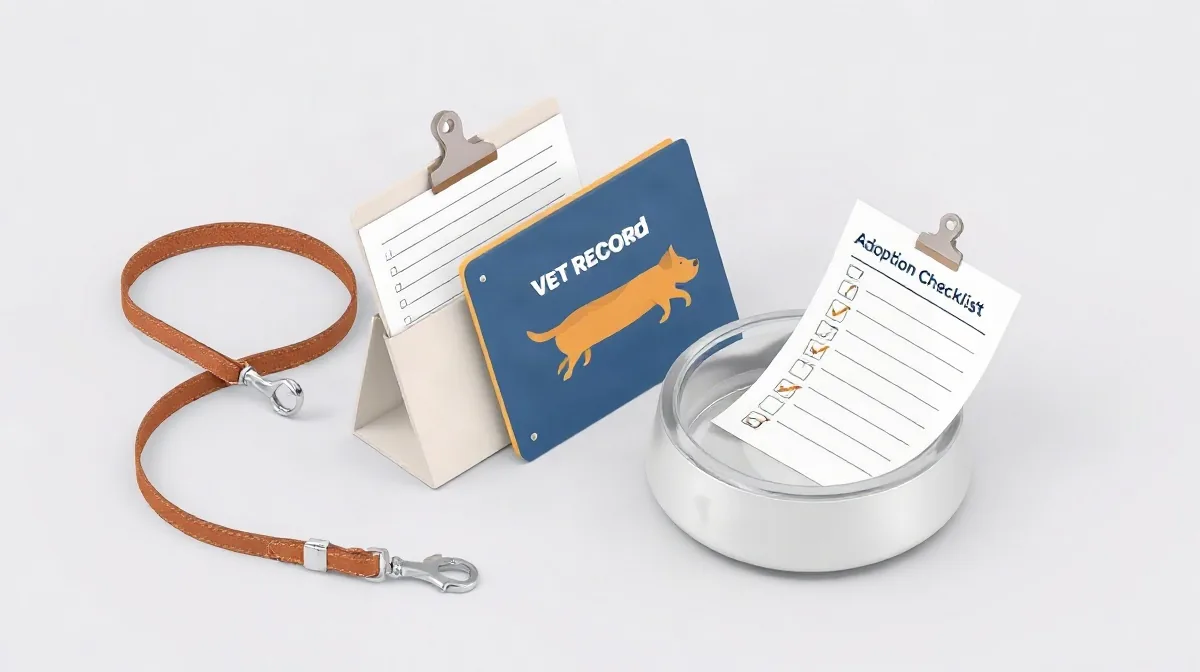
Ask first for the vaccination record, deworming dates, and any veterinary exam notes; if the seller cannot produce written records, treat that as a major warning sign. For a chipped dog, request the microchip number and registration details, and check that the number matches the paperwork exactly.
- Vaccination record: dates and the vaccines given.
- Deworming dates: the most recent treatments, not just a verbal promise.
- Veterinary exam notes: written findings from the last checkup.
- Microchip paperwork: the chip number and registration details, with an exact match.
What missing records usually mean
For puppies, ask when they were last seen by a veterinarian and whether any congenital issues were discussed before sale. For an adult dog, ask for the date of the most recent physical exam and the name of any medication currently being used. Those details help you judge whether the dog has been monitored consistently or whether important health information is being withheld.
If the seller cannot provide these basics in writing, pause the purchase and ask for the documents before going further. A complete record set is not a luxury; it is the simplest way to verify what the seller says about the dog’s health and background.
How do you judge temperament before you buy?
Behavior you can observe
Judge temperament by watching whether the dog stays wary but recovers when a stranger enters, rather than freezing in panic or lashing out again and again. A steady dog may need a moment to assess the room, but it should be able to settle with calm handling and normal movement around it.
If the seller allows it, touch the dog’s paws, ears, and collar area to see how it accepts handling. A dog that cannot be touched at all, even briefly, may need more training, a quieter home, or a different match altogether.
Questions that reveal real-life fit
Ask for household history, not just a label like “friendly.” The most useful answers are concrete: whether the dog has lived with children, cats, or other dogs, and what the daily routine actually looks like, including feeding and exercise needs.
- Children: lived with them or only met them occasionally
- Cats: shared a home or never lived with one
- Other dogs: lived peacefully in the same house or needed separation
- Daily care: exact feeding times, walk length, and exercise pattern
What makes a breeder or seller trustworthy?
Signs of careful breeding
A trustworthy breeder or seller answers questions about the parents, the litter, and the home environment without rushing the sale. If you are buying a purebred dog, ask to see registration papers and the names of the breeding parents, and check that the same details appear consistently across every document.
- Registration papers that match the dog’s listed parents and the seller’s story.
- Questions about the litter answered clearly, including where the puppies were raised.
- Follow-up support explained in advance, including return conditions if the match does not work out.
A good seller also talks openly about what happens after the handover, including how support works if the dog is not a fit for your home. That conversation should feel calm and complete, not hurried or evasive.
Red flags in the sales process
Be cautious if the seller wants to meet only in a parking lot or refuses to show where the dog lives. Those limits make it harder to judge cleanliness, daily care, and whether the puppy is being raised in a stable environment.
Trustworthy sellers do not hide the setting or avoid practical questions. They make it easier to verify the dog’s background, the documents, and the conditions in which the animal has been kept.
Which hidden costs should you budget for before buying?
Up-front costs
Budget for more than the asking price: a new dog may need an initial veterinary exam, vaccines, and parasite treatment before it is fully settled in. Starter supplies also add up fast, including food, a collar, a leash, a crate, and grooming tools.
- Veterinary intake: an exam plus vaccines and parasite treatment.
- Starter gear: food, collar, leash, crate, and grooming tools.
Costs that appear after the sale
If the dog is not already sterilized, ask whether spay or neuter is included in the sale or whether you will need to pay for it later. A lower purchase price can also be misleading when records are incomplete, because missing history may mean extra testing before you know the dog’s true health status.
- Sterilization: confirm whether it is already included.
- Incomplete records: allow room for extra testing and follow-up care.
When is it better not to buy the dog?
Mismatch is a valid reason to say no
Walk away if the dog’s size, energy, or grooming needs clearly do not fit your home; a high-drive dog that needs long walks every day is a poor match for a quiet apartment, and a coat that needs frequent brushing can be a burden if you have little free time. If the seller will not let you meet the dog in person or will not answer basic questions about age, health, or background, that is another clear reason to keep looking.
- Size: a large, active dog may overwhelm a small home or a family that cannot handle constant exercise.
- Energy: a dog that needs daily, structured activity is not a good fit if your routine is irregular.
- Grooming: coats that need regular brushing or professional care can create ongoing time and cost demands.
Pressure tactics to avoid
Do not buy on the spot if the dog looks sick, extremely thin, or visibly distressed; those signs call for a veterinary check, not a quick sale. A rushed deal is also a warning sign when the seller pushes immediate payment and offers no written agreement, because a proper purchase should give you time to think and clear terms to review.
If the seller will not slow down, answer questions, or put the arrangement in writing, the safest choice is to leave and continue your search. The right dog is worth waiting for, and a bad transaction can cost far more than the purchase price.
How do you make the final decision with confidence?
Match the dog to the home
Make the final decision by checking whether the dog’s health history, temperament, and daily needs fit your schedule, budget, and living space. A dog that needs long walks, regular grooming, or ongoing vet care can be a poor match for a small flat, a tight timetable, or a limited monthly budget.
- Health history: vaccination records, ongoing treatment, and any known hereditary issues
- Temperament: calm, energetic, shy, or confident behavior around people and other dogs
- Daily needs: exercise time, feeding routine, grooming, and alone time
- Your limits: work hours, travel plans, rent rules, and available floor space
Put the agreement in writing
Ask for a written sales agreement before you commit, and make sure it lists the dog’s identifying details and any promises the seller makes. That document should clearly name the dog and record any health or return commitments so both sides understand what was agreed.
If possible, bring another person to the meeting so you can compare impressions and avoid a rushed choice. A second set of eyes can help you notice details you may miss when the dog is exciting, and it gives you time to think before you decide. For broader planning, see our overview «Dogs: A Practical Guide to Health, Care, Training, and Everyday Ownership».
Frequently asked questions
What is the most important document to check first?
How can I tell whether a dog is a good fit for my household?
Should I buy a dog if the seller seems rushed?
What if the dog seems healthy but the price is very low?
Key takeaways
- Written veterinary records matter more than verbal reassurance.
- Temperament should be observed, not assumed from breed alone.
- A trustworthy seller answers questions and shows where the dog lives.
- The right dog is the one that fits your home, budget, and time.
