
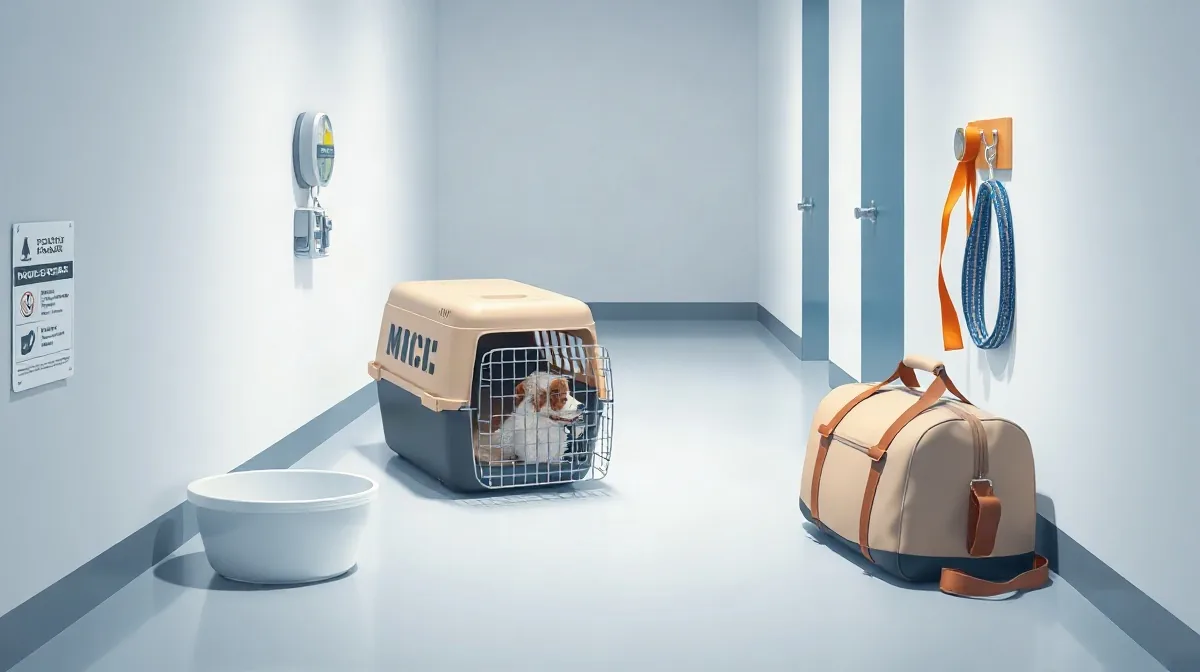
Before you book dog boarding, ask about supervision, daily routines, feeding, exercise, sleeping arrangements, medication handling, vaccination rules, and what happens if your dog gets anxious or unwell. The right answers should make you feel confident that the facility can keep your dog safe, comfortable, and cared for in your absence.
Dog boarding can be a good fit for some dogs and a poor fit for others, so the questions you ask matter as much as the reservation itself. This introduction to Dog Boarding: What to Ask Before You Book helps you focus on the details that reveal how a place really operates, not just how it looks on a website.
If you want the broader context for choosing the right care, see our overview Dogs: A Complete Guide to Health, Care, Training, and Everyday Ownership for more practical guidance on everyday dog ownership. From there, you can judge boarding options with a clearer sense of your dog’s needs and your own standards.
| Option | Best for | Watch for |
|---|---|---|
| Kennel boarding | Dogs that handle routines and group noise | Crowding, barking, and fixed schedules |
| Home-style boarding | Dogs that do better with a calmer setting | House rules, pet limits, and supervision level |
| Veterinary boarding | Dogs needing medication or closer monitoring | Higher cost and stricter intake requirements |
- 3 common boarding models: kennel, home stay, veterinary
- 24 hours a useful window for watching eating, drinking, and stress after drop-off
- 1 trial overnight stay that can reveal whether a dog settles well
- 2 minimum key checks before booking: vaccines and emergency procedures
What kinds of dog boarding are there?
Kennel, home stay, or vet clinic?
Dog boarding usually falls into four practical formats: a traditional kennel with runs or indoor pens, a home-style stay in a sitter’s house, veterinary boarding at a clinic, or a daycare-plus-overnight setup in a larger facility. Each option changes how much routine, human contact, and medical oversight a dog gets.
Traditional kennel boarding is the most structured model, with scheduled feeding and set potty breaks. Home-style boarding is more personal and often involves fewer dogs in a lived-in setting, while veterinary boarding is built for dogs that need medication, post-op monitoring, or quick access to a clinic.
Which dogs fit each model
The best match depends on the dog’s health, stress level, and need for company. A dog that settles with routine may do well in daycare-plus-overnight care, especially in a larger facility where people are present through the day. A dog recovering from surgery, or one that needs regular medication, is usually safer in a veterinary setting.
- Kennel: best for dogs that can handle individual runs, indoor pens, and a fixed schedule.
- Home stay: better for dogs that prefer fewer dogs and more day-to-day contact.
- Veterinary boarding: the safest fit for dogs needing medication, post-op monitoring, or fast clinic access.
- Daycare plus overnight: useful for dogs that do better with routine and human presence.
What should a boarding facility be able to show you?
Facility layout and hygiene
A boarding facility should be able to show you separate spaces for feeding, sleeping, and exercise, plus the places where water bowls, bedding, and waste are stored and cleaned. That layout helps you judge whether dogs will be crowded during busy drop-off and pick-up times.
- Feeding area: kept apart from sleeping spaces so dogs are not eating in traffic.
- Sleeping area: clearly set aside, with bedding visible and easy to inspect.
- Exercise area: distinct from indoor rest zones, so movement does not mix with mealtimes.
- Waste and water stations: shown to visitors, not hidden behind the front desk.
Policies that should be written down
Ask for the vaccination rules in writing, including rabies and any core vaccines the facility requires before admission. The staff should also be able to explain cleaning routines, emergency contacts, and how they handle barking, stress, or escape risk.
A good facility can answer those questions without hesitation and can point to the exact policy sheet that covers them. If the rules are vague, or if the team cannot show where they are posted, that is a warning sign.
How do you know if boarding fits your dog?
Boarding fits a dog best when the dog can cope with unfamiliar people, noise, and routine changes; if anxiety, reactivity, or poor social skills are strong, in-home care is often the safer choice. A short trial stay before a longer trip is the best test, especially for a dog that has never slept away from home.
Temperament matters
Very anxious, under-socialized, or reactive dogs can struggle in a busy kennel because they may not settle enough to eat, rest, or toilet normally. A good fit usually means your dog can handle brief separation, new smells, and close contact with other dogs without escalating.
- Choose boarding if your dog relaxes after a short drop-off and can eat, sleep, and potty on a changed schedule.
- Choose in-home care if your dog shuts down, guards space, or reacts strongly to strangers or other dogs.
- Use a trial stay of 1 short visit before a long trip if your dog has never spent a night away from home.
Health and age change the decision
Puppies, seniors, and dogs on medication need extra screening because they are less flexible about feeding, sleep, and bathroom timing. Dogs with a history of kennel cough, digestive upset, or escape behavior also need a facility that can explain its handling plan clearly before you book.
Ask whether the kennel can keep medication on schedule, separate fragile dogs from high-energy groups, and manage door security for escape-prone pets. If the answers are vague, that is a sign the setup may not match your dog’s needs.
What should you ask before you book?
Care questions
Ask how many dogs one staff member watches during the day and overnight, and whether anyone stays on site after hours. You should also confirm whether feeding follows your dog’s exact schedule and whether the team can handle special diets, pills, and refrigerated food.
Boarding care should also cover illness planning, so ask what happens if your dog stops eating, vomits, develops diarrhea, or needs a vet visit. A good facility should be able to explain its response step by step, including who decides when outside veterinary help is needed.
Money and timing questions
Before you book, ask about cancellation rules, pickup times, and any extra charges tied to late collection, medication, bathing, or individual playtime. These details matter because the final bill can change quickly if the stay runs past the agreed pickup window or if your dog needs extra care.
- Staffing: ask for the daytime and overnight dog-to-staff ratio, plus whether someone is physically on site after hours.
- Feeding: confirm exact mealtimes, pill handling, and whether the facility accepts refrigerated food or special diets.
- Health: ask how the kennel responds to vomiting, diarrhea, appetite loss, and a same-day vet visit.
- Fees: check cancellation terms, pickup deadlines, and add-on charges for late pickup, bathing, medication, and one-on-one playtime.
How do you prepare a dog for boarding?
Packing list that reduces stress
Prepare a dog for boarding by sending its usual food in sealed portions, plus any medication with clear written directions for dose timing and whether it must be given with food. Add one familiar item, such as a blanket or toy, if the facility allows it, so the kennel feels less abrupt.
- Food: pre-portioned meals in sealed bags or containers.
- Medication: written instructions for timing and food requirements.
- Comfort item: one blanket or toy only, not valuables.
Paperwork and identification
Before drop-off, update the collar tag and microchip registration so your dog can be identified quickly if plans change or a pet gets separated. Make sure the emergency contact is someone who can answer fast and speak clearly for the dog’s care. Avoid sending anything expensive, chewed, or hard to replace.
- Collar tag: current phone number and name.
- Microchip: registration details kept up to date.
- Emergency contact: a reachable person who can respond immediately.
When is boarding not the best choice?
Red flags that matter
Boarding is not the best choice when a dog has severe separation distress, a contagious illness, or has just had surgery and needs close home monitoring. It is also a poor match for very noise-sensitive dogs, because kennel life can mean barking, door traffic, and unfamiliar smells that interrupt sleep and raise stress.
- Separation distress: a dog that panics when left alone may do worse in a busy facility than in a familiar home.
- Contagious illness: any condition that can spread to other dogs is a reason to avoid shared housing and group routines.
- Recent surgery: healing often calls for quiet, wound checks, and close observation that a home setting can handle more easily.
- Noise sensitivity: barking, hallway movement, and constant smells can be enough to disrupt rest in a kennel.
Why home care can be safer
Elderly dogs that are confused or easily unsettled often cope better with one steady sitter, one routine, and one familiar environment than with a facility full of changing schedules. Home care also makes practical sense when a boarding company cannot clearly explain supervision, cleaning, or what happens if a dog needs emergency transfer.
Before you book, ask for the exact supervision plan, the cleaning routine, and the emergency handoff process in writing. If those basics are vague, keep looking; a good fit should be able to describe daily care, sanitation, and transfer steps without hesitation.
Frequently asked questions
How far in advance should I book dog boarding?
What vaccines are usually required?
Should I bring my dog’s own food?
Is boarding okay for anxious dogs?
What is the biggest mistake owners make?
Key takeaways
- Match the boarding type to the dog, not just the trip.
- Written vaccine, feeding, and emergency policies matter as much as price.
- A trial stay can reveal stress before a long booking.
- Packing familiar food and clear medication instructions prevents avoidable problems.
- If the facility cannot explain supervision or cleaning, keep shopping.