
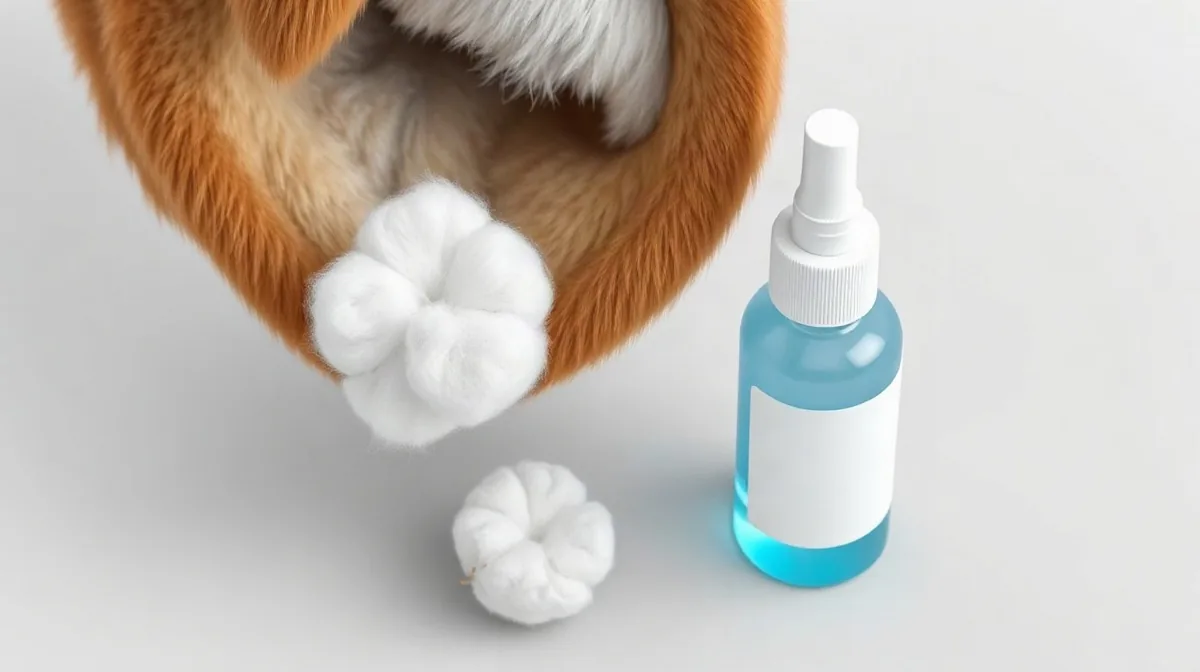
Common mistakes in managing canine ear infections include failing to identify the underlying cause, improper cleaning techniques, and inconsistent treatment application. These errors can prolong discomfort, worsen the infection, and increase the risk of recurrence in dogs.
Ear infections are a frequent health issue for dogs, often causing significant pain and irritation. Despite their prevalence, many pet owners unintentionally contribute to treatment challenges by overlooking key aspects of proper ear care. Understanding the typical pitfalls in managing canine ear infections is essential to ensure effective recovery and prevent complications.
This article explores the most frequent errors made when dealing with canine ear infections, offering insight into how to avoid them and promote better ear health for your dog. Whether you’re a seasoned dog owner or new to pet care, recognizing these common mistakes is the first step toward more successful management and happier, healthier dogs.
| Treatment | Active Ingredients | Price Range (USD) | Typical Treatment Duration |
|---|---|---|---|
| Otomax | Miconazole, Polymyxin B, Hydrocortisone | $40-$50 | 7-14 days |
| Tresaderm | Neomycin, Thiabendazole, Dexamethasone | $30-$40 | 7-10 days |
| Generic Ear Cleaners | Various surfactants and saline | $10-$20 | As needed, not for infection treatment |
| Home Remedies (e.g., Hydrogen Peroxide) | None standardized | Varies, often <$5 | Not recommended |
- 7-14 days Typical duration of prescribed ear infection treatment
- $50-$150 Average cost range for a veterinary ear infection consultation
- 20% Relative humidity threshold inside the ear canal to reduce yeast growth risk
- 3 episodes/year Threshold for recurrent ear infections prompting allergy testing
What are the most frequent errors dog owners make when cleaning infected ears?
Unsafe cleaning tools
One of the most frequent errors in cleaning infected canine ears is the use of inappropriate tools like cotton swabs, which can cause significant damage to the ear canal. The American Veterinary Medical Association (AVMA) explicitly advises against using cotton swabs (Q-tips) inside dogs’ ears due to risks of pushing debris deeper or causing injury, as stated in their 2026 guidelines. Additionally, applying home remedies such as hydrogen peroxide without veterinary approval often results in irritation or worsening inflammation, delaying appropriate treatment. Owners who substitute veterinary ear cleansers with generic saline sprays or household solutions miss out on antimicrobial agents necessary to combat infection effectively.
Excessive cleaning frequency
Another common mistake is cleaning the infected ears too frequently, which can exacerbate inflammation instead of helping it heal. Veterinary protocols recommend limiting ear cleaning to no more than twice a week during infection treatment to avoid disrupting the ear’s natural defenses. Overcleaning daily may strip protective oils and worsen symptoms. Proper veterinary ear cleaning products, such as Virbac Epi-Otic Advanced Ear Cleaner priced around $20 for 250 ml, contain ingredients specifically formulated to support healing without irritation, unlike many non-veterinary options.
- AVMA 2026 advises against cotton swabs in ears
- Recommended cleaning frequency during infection: no more than twice weekly
- Virbac Epi-Otic Advanced Ear Cleaner costs approximately $20 per 250 ml bottle
Why is delayed veterinary diagnosis a common problem in managing canine ear infections?
Cost barriers
Delayed veterinary diagnosis of canine ear infections often stems from owners postponing veterinary visits, typically waiting 7 to 10 days before seeking professional care, which significantly raises the risk of chronic infection according to the American Animal Hospital Association (2025). The expense of veterinary consultations, which range from $50 to $150 per visit depending on the location and clinic, can discourage timely appointments. This financial hesitation means many dogs endure worsening symptoms as initial treatments or interventions are missed.
Missed underlying conditions
Without a professional diagnosis, owners frequently overlook the root causes of ear infections, such as allergies or ear mites, both of which require specific treatments beyond general cleaning or over-the-counter remedies. Delays in diagnosis increase the likelihood of secondary infections like bacterial or yeast overgrowth, complicating recovery and extending treatment duration. Prompt veterinary evaluation is essential to identify these underlying factors and tailor effective therapies accordingly.
- Typical wait time before vet visit: 7–10 days (American Animal Hospital Association, 2025)
- Veterinary consultation cost range: $50–$150 per visit
- Common overlooked causes: allergies, ear mites requiring targeted treatment
- Increased risk of secondary bacterial or yeast infections with delayed care
How should proper treatment be administered to prevent recurrence of ear infections?
Proper treatment to prevent recurrence of canine ear infections requires strict adherence to veterinarian-prescribed medication regimens and effective moisture control in the ear canal. Using the full course of treatment and maintaining dry ears after exposure to water are essential steps to minimize yeast and bacterial growth, reducing the chance of flare-ups.
Medication adherence
Administering a complete treatment course with prescribed medications like Otomax, which contains miconazole, polymyxin B, and hydrocortisone, is critical. A 15-gram tube of Otomax costs around $45 and typically lasts the 7-14 day treatment period. Even if symptoms improve within 3-5 days, stopping early can lead to recurrence. Consistent application ensures that the infection is fully eradicated and inflammation is controlled.
Moisture control
Keeping the ear canal dry is vital to prevent infection relapse. After swimming or bathing, ears should be dried thoroughly to maintain relative humidity below 20%, a threshold known to inhibit yeast overgrowth. For dogs prone to infections, routine ear inspections every 2-4 weeks help identify early signs before they develop into full infections.
- Otomax treatment duration: 7-14 days
- Otomax tube price: approximately $45 per 15 grams
- Ear canal humidity target: below 20% relative humidity
- Routine ear check frequency: every 2-4 weeks for susceptible dogs
What are common limitations or trade-offs in at-home care of canine ear infections?
At-home care of canine ear infections is limited primarily by the inability to accurately diagnose the specific cause and the risk of improper medication use, which can lead to treatment failure or antibiotic resistance. Without professional tools and expertise, owners face significant challenges in managing these infections effectively and safely.
Diagnostic limitations
Owners typically lack access to otoscopy or cytology, essential diagnostic tools that veterinarians use to identify the exact pathogens involved—bacteria, yeast, or mites. For instance, veterinary otoscopes cost between $200 and $600, making them uncommon in home settings. Without cytology, distinguishing normal earwax from infectious discharge is difficult, causing misinterpretation and mistimed treatments. This diagnostic gap can delay appropriate therapy, prolonging symptoms beyond the average 7–10 day treatment course recommended for uncomplicated infections.
Risks of improper treatment
Using medications incorrectly at home, such as applying antibiotics without confirming bacterial infection, risks fostering antibiotic resistance in canine ear pathogens. Overcleaning or aggressive ear cleaning techniques can traumatize the delicate ear canal lining, increasing the chance of chronic otitis externa, which affects approximately 20% of dogs with recurrent infections. Products like hydrogen peroxide, often used by owners, can exacerbate irritation. Furthermore, mistaking normal earwax for infection discharge often leads to unnecessary or premature treatment, potentially costing owners between $30 and $70 per wasted medication tube without resolving the condition.
When is professional veterinary intervention absolutely necessary for ear infections?
Duration and severity thresholds
Professional veterinary care is absolutely necessary for ear infections that persist beyond seven days despite consistent home treatment or exhibit alarming symptoms such as ear bleeding, swelling, or intense head shaking. If an ear infection lasts longer than one week without improvement, a veterinary exam is crucial to prevent progression to chronic otitis externa, which can cause irreversible ear canal damage. Additionally, signs like ear hemorrhage or visible swelling may indicate severe infections or masses such as tumors, requiring prompt diagnostic evaluation including otoscopic examination and possibly imaging.
Recurrent infection protocols
Dogs experiencing more than three ear infection episodes per year should be referred to a veterinary dermatologist or undergo allergy testing to identify underlying causes contributing to recurrence. Veterinary ear cytology is an essential diagnostic tool, distinguishing between bacterial and yeast infections to ensure appropriate antimicrobial therapy. For example, cytology-guided treatment can prevent unnecessary use of antibiotics like gentamicin or antifungals such as miconazole. The cost of a veterinary cytology test typically ranges from $25 to $50, which is a cost-effective step to tailor treatment and reduce recurrence risk.
Frequently asked questions
How often should I clean my dog's ears to prevent infections?
Can I use human ear drops to treat my dog's ear infection?
What symptoms indicate my dog’s ear infection needs urgent veterinary care?
Why do some dogs get ear infections repeatedly?
Key takeaways
- Avoid cotton swabs to prevent ear canal injury
- Seek veterinary diagnosis within one week of symptoms
- Complete prescribed medication courses fully
- Limit cleaning frequency to avoid irritation
- Monitor high-risk dogs with regular ear checks
